Cost of Living in Johor Bahru 2026: A Real Monthly Budget
What it actually costs to live in Johor Bahru each month — rent, utilities, food, transport — broken down for singles and couples. Real figures, dated.
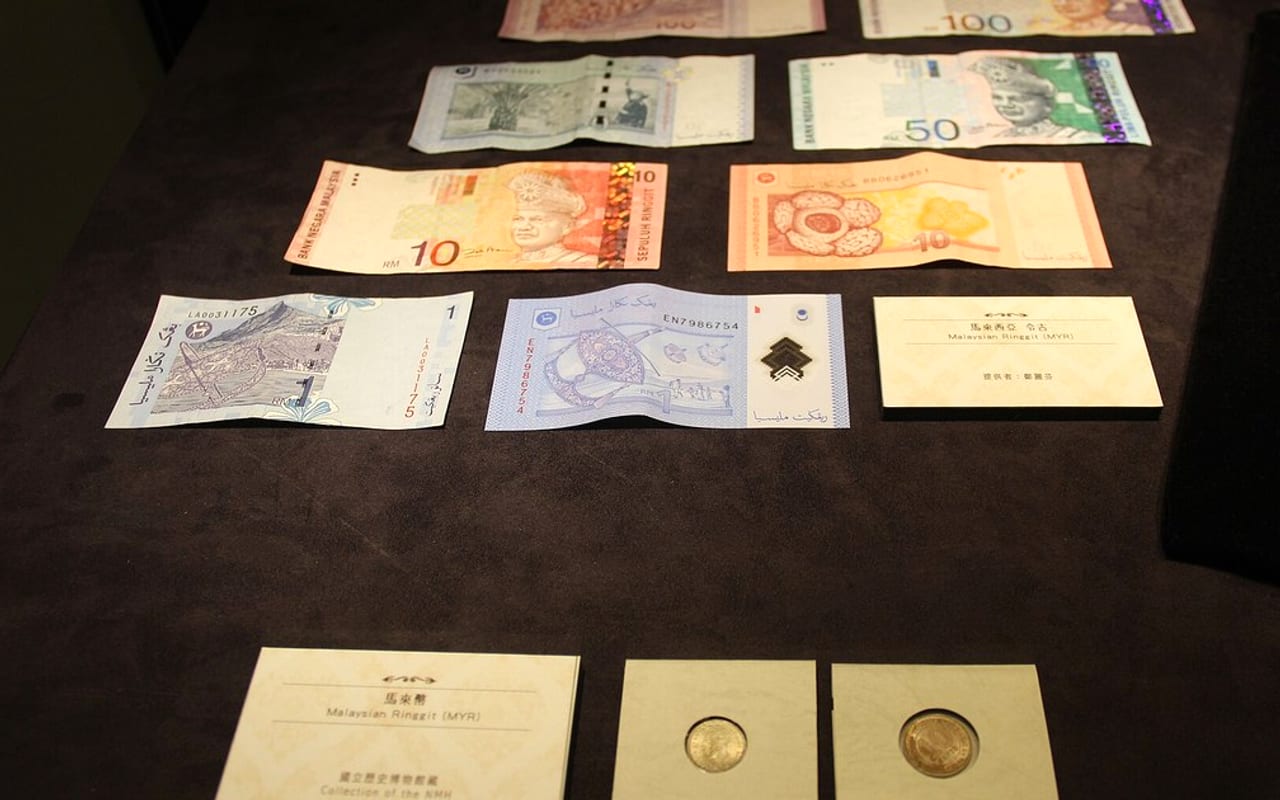
“How much do I need a month?” is the first thing anyone asks before moving to Johor Bahru. The honest answer is that it depends on a handful of choices — mostly where you live, whether you run a car, and whether you cross into Singapore. This guide builds the full picture category by category, so you can plug in your own lifestyle and land on a number that’s actually yours.
All figures here are as of 2026 and will drift over time. Treat them as a starting frame, not a fixed quote — petrol, rent and tariffs all move.
What drives the cost of living in JB
Before the tables, the four levers that matter most:
- Location. Rent near the checkpoints or in the newer Iskandar Puteri / Medini area costs more than equivalent space in Mount Austin or Adda Heights. The same RM can buy very different homes a 20-minute drive apart.
- Car or no car. JB is car-dependent. Public transport exists but won’t cover most people’s daily needs, so a car (and its petrol, insurance and parking) is close to a fixed cost rather than a luxury.
- The Singapore angle. If you earn in Singapore dollars and spend in ringgit, your effective cost of living drops sharply — but commuters also spend on tolls, the crossing, and often a second set of expenses across the border.
- Eating in vs eating out. Local food is genuinely cheap, which is why some people barely cook. Western groceries and imported goods, on the other hand, can cost more than you’d expect.
Monthly budget: a single person
A realistic “comfortable but not flashy” budget for one person renting their own place:
| Item | Rough monthly range (RM) |
|---|---|
| Rent (1-bed or studio condo) | 1,200–2,000 |
| Utilities (TNB electricity + water) | 150–200 |
| Internet (fibre) | 100–160 |
| Mobile (SIM / data plan) | 40–80 |
| Groceries | 400–800 |
| Eating out | 300–700 |
| Transport (car: instalment + petrol + parking) | 300–1,200 |
| Healthcare / insurance | 150–500 |
| Misc (gym, subscriptions, social) | 300–800 |
| Estimated total | ≈ 3,000–6,000 |
A single person who eats local, shares or rents modestly, and drives a small car will sit near the bottom of these ranges. The numbers climb fast if you want a newer condo near the border, eat Western food, or run a bigger car.
Monthly budget: a couple
For two people sharing a home — the most common relocation scenario:
| Item | Rough monthly range (RM) |
|---|---|
| Rent (decent 2-bed condo or small landed) | 1,800–3,000 |
| Utilities (TNB electricity + water) | 200–450 |
| Internet (fibre) | 100–160 |
| Mobile (2 lines) | 80–160 |
| Groceries | 800–1,500 |
| Eating out | 600–1,200 |
| Transport (1 car: instalment + petrol + tolls + parking) | 800–1,800 |
| Healthcare / insurance (both) | 300–900 |
| Misc (social, subscriptions, household) | 500–1,200 |
| Estimated total | ≈ 5,500–10,000 |
Two people don’t cost twice one — rent, internet and utilities are shared — but food and a second income’s worth of social spending push the total up. If you commute into Singapore, add tolls and crossing costs on top.
Breaking down each category
Rent
Rent is the single biggest line and the one with the widest spread. The drivers:
- Area — proximity to the checkpoints and the newer Iskandar developments commands a premium.
- Type — studio vs 2-bed condo vs landed house.
- Furnishing — fully furnished costs more upfront in rent but saves you a setup bill.
As a rough frame from recent listings: a furnished two-bed condo in Bukit Indah runs around RM1,500–2,500, a one-to-two-bed in Danga Bay about RM1,300–2,000, and a landed terrace in Mount Austin anywhere from RM1,500 to RM3,500+ depending on size and condition. Studios in the CIQ-walkable city-centre towers sit around RM1,500–2,000. For the full neighbourhood-by-neighbourhood picture, see our Best Areas to Live in Johor Bahru guide.
We go deeper on the practicalities in our Renting in Johor Bahru guide.
Utilities — TNB electricity and water
Two separate bills: electricity from TNB and water from the state supplier. The biggest variable by far is air-conditioning — JB is hot and humid year-round, so how many units you run, and for how long, swings the electricity bill more than anything else.
From real bills here, a single person’s TNB electricity comes to around RM150 a month. For a family, the bill hinges on who’s home during the day: if everyone’s out at work, it stays near RM200; if someone is home running the air-conditioning through the day — a stay-at-home parent, say — it climbs to around RM400. Air-conditioning is the whole story. Water is far cheaper, usually RM20–50 a month.
Internet
Fibre broadband is widely available and reliable in most JB residential areas. Plans are priced by speed, and most households land on a mid-tier package.
A mid-tier fibre plan — roughly 100–300 Mbps, plenty for working from home and streaming — typically runs RM100–160 a month from the main providers: Unifi (TM), Maxis, TIME and CelcomDigi. Most households settle around the RM129 mark for a solid mid-tier package.
Groceries and eating out
This is where JB rewards you. Local hawker food and kopitiam meals are cheap enough that eating out regularly is normal. Cooking at home with local produce is also inexpensive — the cost only climbs when you buy imported and Western groceries.
To put numbers on it: a meal at a hawker stall or kopitiam runs about RM8–15, a fast-food combo around RM20, and a mid-range restaurant meal for two roughly RM60–200. A weekly grocery shop for one person is around RM100–200 — more if you load up on imported and Western goods, which carry a real premium here. Many residents eat out so often that their grocery line stays surprisingly small.
Transport
For most residents, transport means a car. Budget for the instalment (if financed), petrol, insurance, road tax and parking.
Here’s the catch most guides miss: since the BUDI95 reform, subsidised RON95 at RM1.99 a litre is for Malaysian citizens only — as a foreigner you can’t pump it. You fill up with RON97 instead, which is fully market-priced and floats weekly; as of late May 2026 it’s around RM4.85–4.90 a litre — roughly two and a half times what locals pay. So budget fuel well above the local figure: closer to RM400–700 a month for a normal commute. The bigger number is still the car itself — a financed instalment commonly runs RM700–1,500+ a month, on top of insurance, road tax and parking. A monthly public-transport pass is about RM50, but few residents rely on it day to day.
Healthcare and insurance
Private healthcare in Malaysia is affordable by Western standards, and many expats carry private insurance to use private hospitals without large out-of-pocket bills. Costs depend heavily on age and cover.
As a rough frame, private health insurance can run from around RM150 a month for a younger single person to RM500+ for older adults or fuller cover — it varies so much by age and policy that the only honest advice is to get your own quote. Out of pocket, a private GP visit is inexpensive by Western standards, which is why minor things are often just paid for directly.
Miscellaneous
Gym, streaming subscriptions, the occasional weekend, household top-ups — small individually, but they add up. Worth a buffer line in any honest budget.
The Singapore commuter angle
If you live in JB but work in Singapore, your numbers look different in two directions:
- Your spending power goes up — Singapore-dollar income against ringgit costs is the whole reason many people make this move.
- But you add commuting costs — tolls, the crossing (and the time it eats), and often a duplicate set of daily expenses on the Singapore side.
There’s also an admin cost worth knowing about up front. If you’ll drive a Singapore-registered car into Malaysia, you now need a VEP (Vehicle Entry Permit) with an RFID tag — it’s mandatory at the Johor land crossings, and Malaysia has been enforcing it with fines. How it works:
- Register the vehicle and owner online at the official portal, vep.jpj.gov.my.
- Collect and activate the RFID tag — Singapore-side collection has been at 186 Woodlands Industrial Park E5 for a fee of around S$39.
- Fix the tag to your car and link it to a Touch ‘n Go account, which pays the road charge automatically on each entry.
Set this up before you rely on driving across — turning up without an activated VEP risks a fine. We’ll cover the crossing end to end in our border guide.
A common budgeting mistake
Newcomers tend to make one of two errors: they budget Singapore-style and massively overspend, or they budget too tight and forget that a car is close to essential. The fix is to start from the category framework above, plug in real local numbers, and add a buffer — JB is affordable, but only if you budget for how it actually works rather than how you hope it works.
For the bigger picture on visas, areas and getting set up, see our Moving to Johor Bahru relocation guide. Got a specific question about your own budget? Get in touch — we answer real questions from real people moving here.
About the author
Chris Tan lives and works in Johor Bahru, Malaysia, helping people relocate to and buy property in the Iskandar region. Questions about your move? Get in touch.
Keep reading
 Moving to Malaysia
 Best Areas to Live in Johor Bahru: A Neighbourhood Guide
Where to live in Johor Bahru — JB city, Bukit Indah, Iskandar Puteri, Mount Austin and more, compared by lifestyle, commute to Singapore, and who each suits.
7 Feb 2026
 Moving to Malaysia
 International Schools in Johor Bahru: A Parent's Guide
A practical guide to international schools in Johor Bahru & Iskandar — the real schools, curricula, honest 2026 fee ranges, EduCity, and the waitlist reality.
16 Feb 2026
 Moving to Malaysia
 Is Johor Bahru Safe? An Honest Look for Newcomers
Johor Bahru's safety reputation, examined honestly — what's overblown, what's real, the actual risks, and the common-sense precautions that matter.
17 Feb 2026
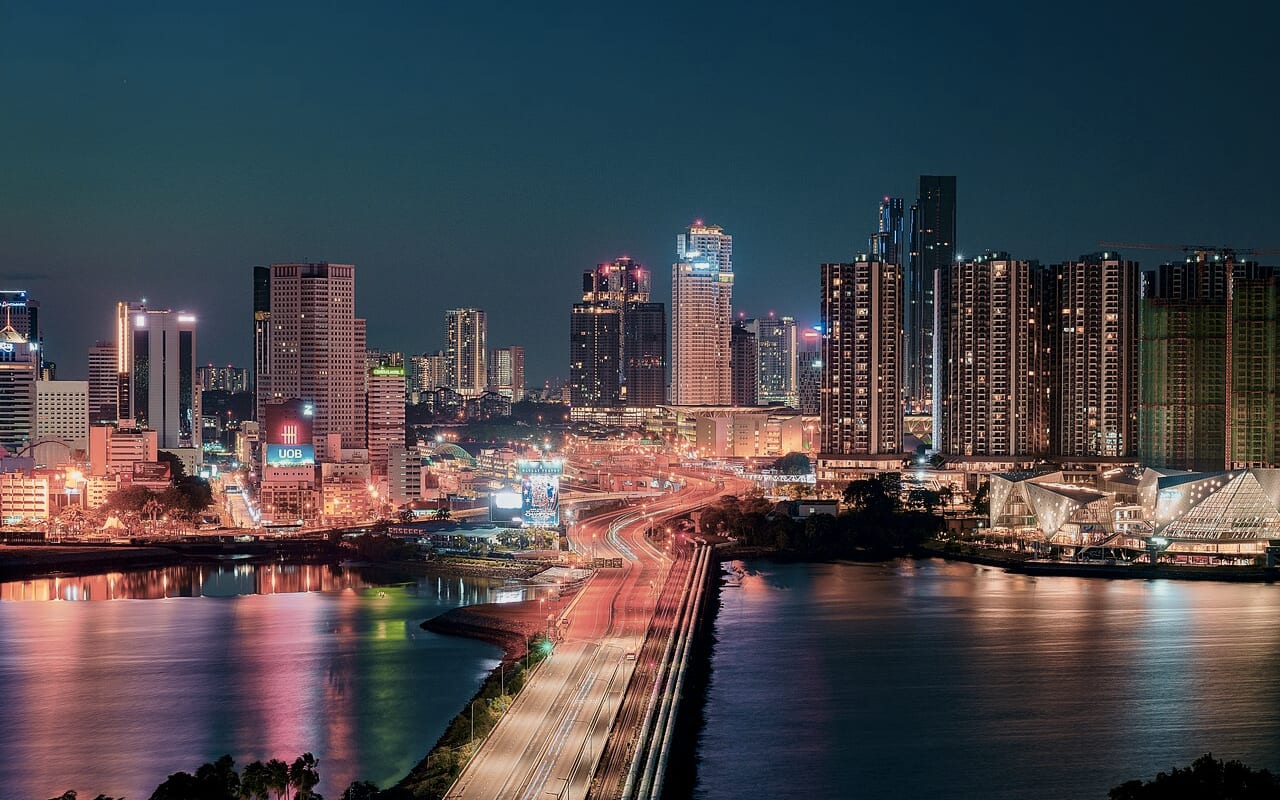 Moving to Malaysia
 Johor Bahru vs Singapore: Cost of Living & Daily Commute Compared
A real comparison of living in Johor Bahru vs Singapore — rent, food, fuel and the daily border commute — with current 2026 numbers and the honest trade-offs.
16 Feb 2026
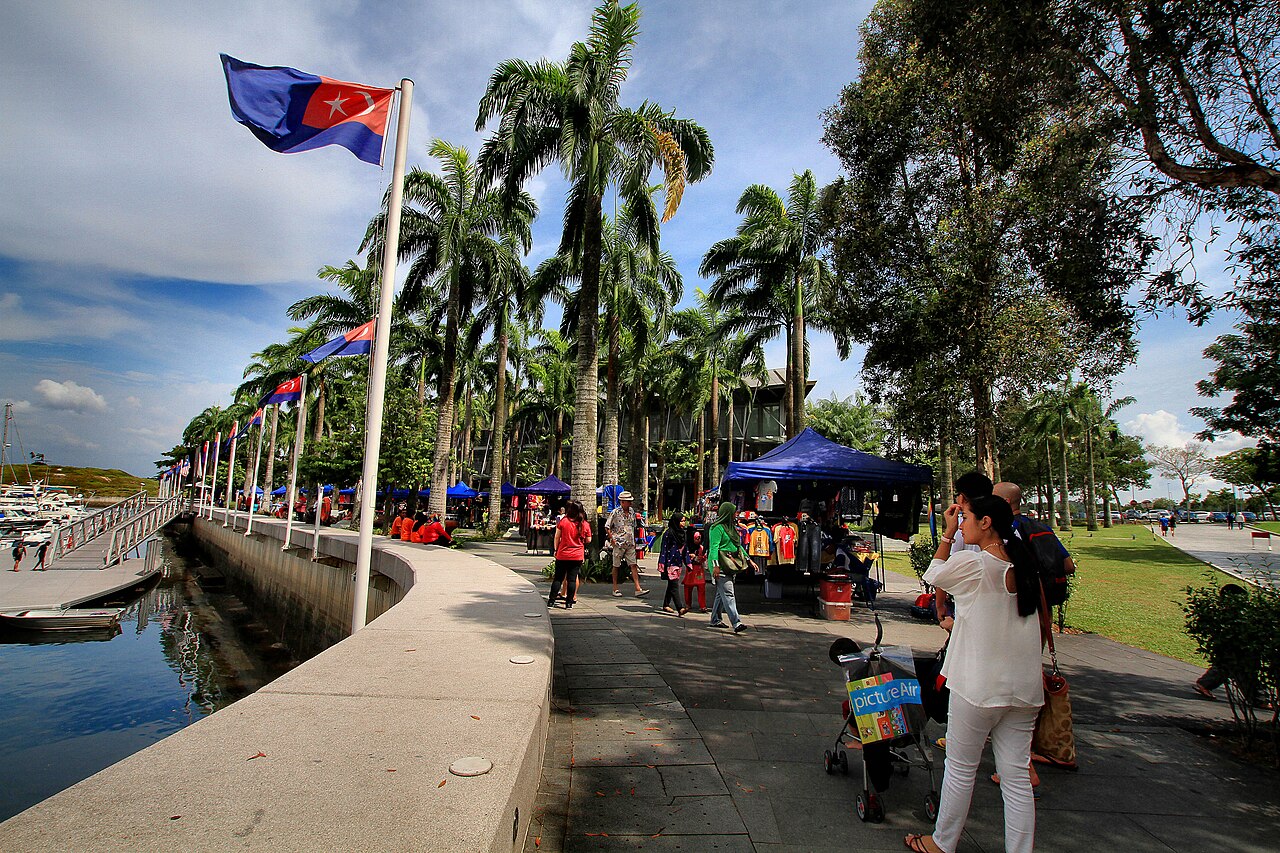 Property & MM2H
 Buying Property in Iskandar Malaysia: A Foreigner's Guide (2026)
Can foreigners buy property in Johor? Yes — here's how it actually works in Iskandar Malaysia: rules, process, financing, fees, and the mistakes to avoid.
10 Feb 2026
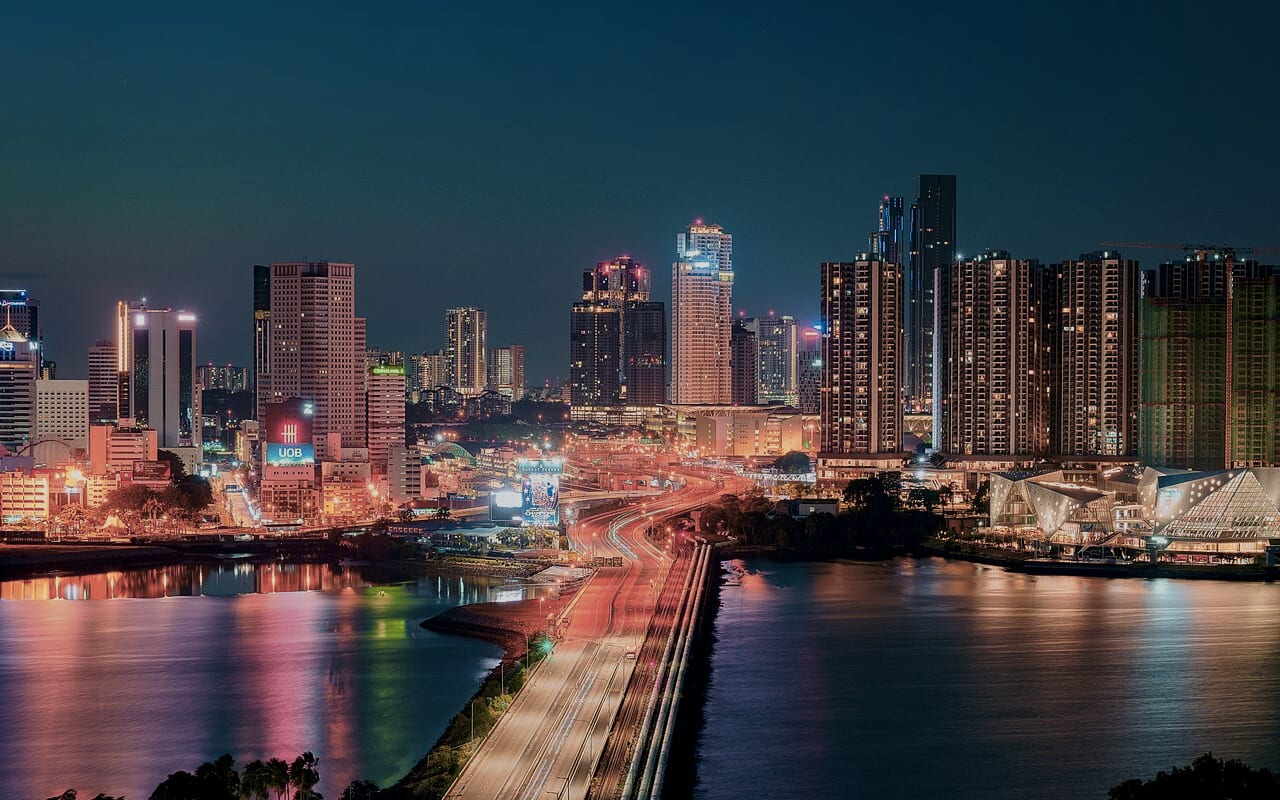 Travel & Explore
 Crossing the JB–Singapore Border: A Complete Guide
How to cross the Johor Bahru–Singapore border in 2026 — Causeway vs Second Link, VEP and road charges, QR/autogate clearance, peak times, and car vs bus vs motorcycle.
8 Mar 2026