Malaysia SIM Card & Mobile Data: A Newcomer's Guide
Getting a Malaysian SIM in 2026 — the main telcos, prepaid vs postpaid, eSIM, the mandatory passport registration rule, real data plan prices, and where to buy.
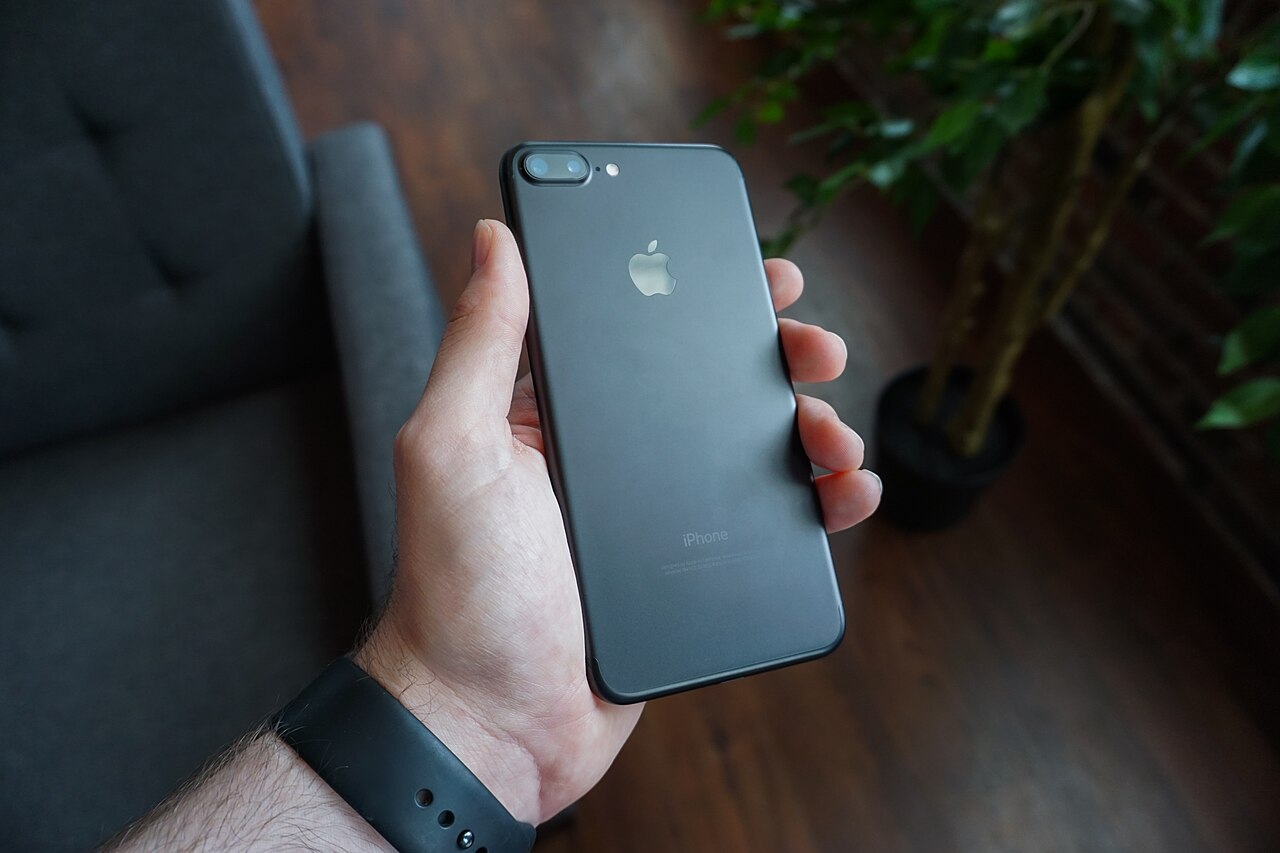
A working local number is one of the first things you need in Malaysia. Your banking app sends OTP codes to it, Grab and food-delivery apps want it, your landlord and colleagues will WhatsApp it. Getting connected is cheap and fast — Malaysia has strong, competitive mobile networks and data is some of the best value in the region. The only thing that changed recently is the paperwork: SIM registration rules tightened in early 2026, so it’s worth knowing the rules before you walk into a store. Here’s the practical version.
Already sorting your local setup? You’ll want a local bank account too — its app needs your new number for verification texts.
The main telcos
Four networks cover most of the country, each with a prepaid sub-brand:
- Maxis (prepaid brand Hotlink) — widely rated for the strongest, most consistent coverage, including rural and highway stretches. Usually the safe choice.
- CelcomDigi — the merged Celcom + Digi network, huge reach and aggressive pricing.
- U Mobile — cheapest plans, good in cities, historically a bit thinner in remote areas.
- unifi Mobile (TM) and smaller MVNOs like yes and redONE — fine in urban areas, worth checking coverage where you live.
For Johor Bahru and the Klang Valley, all four are perfectly usable. If you’ll drive a lot of highway or head to smaller towns and islands, Maxis/Hotlink and CelcomDigi are the conservative picks.
The registration rule you must know
As of February 2026, Malaysia’s regulator (MCMC) enforced a tightened mandatory standard for prepaid SIM registration. What it means for you:
- You must register with your original passport. Photocopies, photos or scans are not accepted at the counter. Foreigners also show their visa where one applies, and your local or hotel address gets recorded. Some stores now also take a biometric photo.
- Ownership limits. Citizens and PRs can hold up to five prepaid SIMs per telco; non-citizens are capped at two SIMs per telco.
- Tourist SIM validity. Newly bought prepaid SIMs registered under the tightened rules can carry a maximum validity of around three months for short-stay visitors — a measure aimed at scammers, but worth knowing if you’re only here briefly.
None of this is a problem if you live here on a valid pass. Just bring the actual passport, not a copy.
Prepaid vs postpaid
Prepaid is where almost every newcomer starts:
- No contract, no credit check, no deposit
- Top up online, in-app, or at any 7-Eleven / petrol station
- You’re connected the same day
Postpaid makes sense once you’re settled and want a fixed monthly bill, a bundled phone, or a higher data ceiling. The catch for foreigners: postpaid plans usually require a refundable deposit. Reported figures as of 2026 sit in the RM150 to RM500 range depending on telco and your credit limit — for example Hotlink has applied around RM150 on certain new lines, while some plans set the deposit equal to your monthly credit limit. You’ll also typically need your passport, visa and sometimes proof of address.
My advice: run prepaid for your first month or two. Once you know your real data habits and you’ve got a local bank account and address sorted, switch to postpaid only if the maths or a phone bundle actually beats prepaid for you. For most people, prepaid is enough.
Rough prepaid data prices
Prices move with promotions, but here’s the lay of the land as of May 2026:
| Plan type | Example | Rough price |
|---|---|---|
| Short-trip / 7-day | U Mobile or Hotlink, ~25GB / 7 days | around RM12 |
| Tourist 30-day | CelcomDigi ~65GB, 30 days (incl. ~RM10 registration) | around RM39–49 |
| Big-data regional | Hotlink ~100GB, works across MY/SG/TH/ID | around RM35 |
| Ongoing monthly prepaid | Mid-tier unlimited-ish data | roughly RM35–50 |
Figures as of May 2026 — confirm current promos on the telco’s own site. The headline is simple: mobile data here is cheap. A monthly plan with tens of gigabytes for under RM50 is normal, and plans that roam into Singapore and Thailand exist if you cross the border often.
eSIM — the shortcut
If your phone supports eSIM, it’s the easiest path, especially before you arrive:
- Travel eSIMs (Airalo, Yesim and similar) install before you fly and activate on landing. They start from just a few US dollars and historically skip the in-store passport registration because they’re data-only roaming products.
- The big Malaysian telcos also offer their own eSIMs, which still follow the local registration rules if you want a proper local number with calls and OTP support.
The trade-off: a travel eSIM is great for instant data on day one, but for a true local number that receives Malaysian bank OTPs and lets people call you, you’ll still want a registered local SIM or telco eSIM. Many newcomers run a travel eSIM for the first few days, then get a proper local line once they have an address.
Where to buy
- At the airport — KLIA and other arrival halls have telco counters. Convenient, you walk out connected, but plans are often priced for tourists. Fine for instant data; not always the best monthly value.
- In town — any telco store, plus countless phone shops in malls, can register you. Staff are used to foreigners and walk you through it. This is usually where you get the best ongoing deal.
- Convenience stores — 7-Eleven and similar sell starter packs and handle top-ups, though counter staff may not do full registration for every product.
The pragmatic move: grab a cheap airport SIM or a travel eSIM so you’re online immediately, then walk into a proper telco store in your first week — passport in hand — and set up the plan you’ll actually keep.
Quick FAQ
Can I keep my home number? Not on a local SIM. Use a dual-SIM phone or an eSIM so you can run your home number alongside a Malaysian one.
Do I need to register every month? No — you register the SIM once. Just keep it topped up and active so it doesn’t expire.
Is coverage good in JB? Yes, all four networks cover Johor Bahru well. Coverage thins out only in genuinely remote areas, where Maxis/Hotlink tends to hold up best.
Where to go next
Once your number is live, your bank account app can receive its OTPs and you’re properly plugged in. Next on the setup list is usually home internet and utilities. New to the whole move? Start with the Johor Bahru relocation guide.
Stuck on registration or coverage at a specific JB address? Get in touch.
About the author
Chris Tan lives and works in Johor Bahru, Malaysia, helping people relocate to and buy property in the Iskandar region. Questions about your move? Get in touch.
Keep reading
 Living Essentials
 Buying a Car in Malaysia: New, Used & Recon, Prices & Number Plates
Why cars cost so much in Malaysia, the difference between new, used and recon cars, and how the JPJ number-plate bidding (JPJeBid) actually works — a 2026 guide.
24 Feb 2026
 Living Essentials
 Driving in Malaysia: Licence, Buying a Car & Insurance
A foreigner's guide to driving in Malaysia in 2026 — using a foreign licence, converting it, buying a car, financing limits, road tax, insurance, and the RON97 fuel rule.
25 Feb 2026
 Living Essentials
 Healthcare in Malaysia for Expats & Newcomers
How healthcare works in Malaysia for expats — public vs private hospitals, real GP and specialist costs, insurance, and why Singaporeans cross to JB for care.
1 Mar 2026
 Living Essentials
 Income Tax in Malaysia for Foreigners & Residents
A plain-English guide to Malaysian income tax for foreigners — the 182-day residency rule, resident progressive rates, the flat 30% non-resident rate, MM2H, and filing.
27 Feb 2026
 Moving to Malaysia
 Best Areas to Live in Johor Bahru: A Neighbourhood Guide
Where to live in Johor Bahru — JB city, Bukit Indah, Iskandar Puteri, Mount Austin and more, compared by lifestyle, commute to Singapore, and who each suits.
7 Feb 2026
 Property & MM2H
 Buying Property in Iskandar Malaysia: A Foreigner's Guide (2026)
Can foreigners buy property in Johor? Yes — here's how it actually works in Iskandar Malaysia: rules, process, financing, fees, and the mistakes to avoid.
10 Feb 2026