MM2H FAQ: Your Questions Answered (2026)
Straight answers to the most common MM2H questions in 2026 — minimum stay, the fixed deposit, working, property, timelines, and whether it leads to PR.
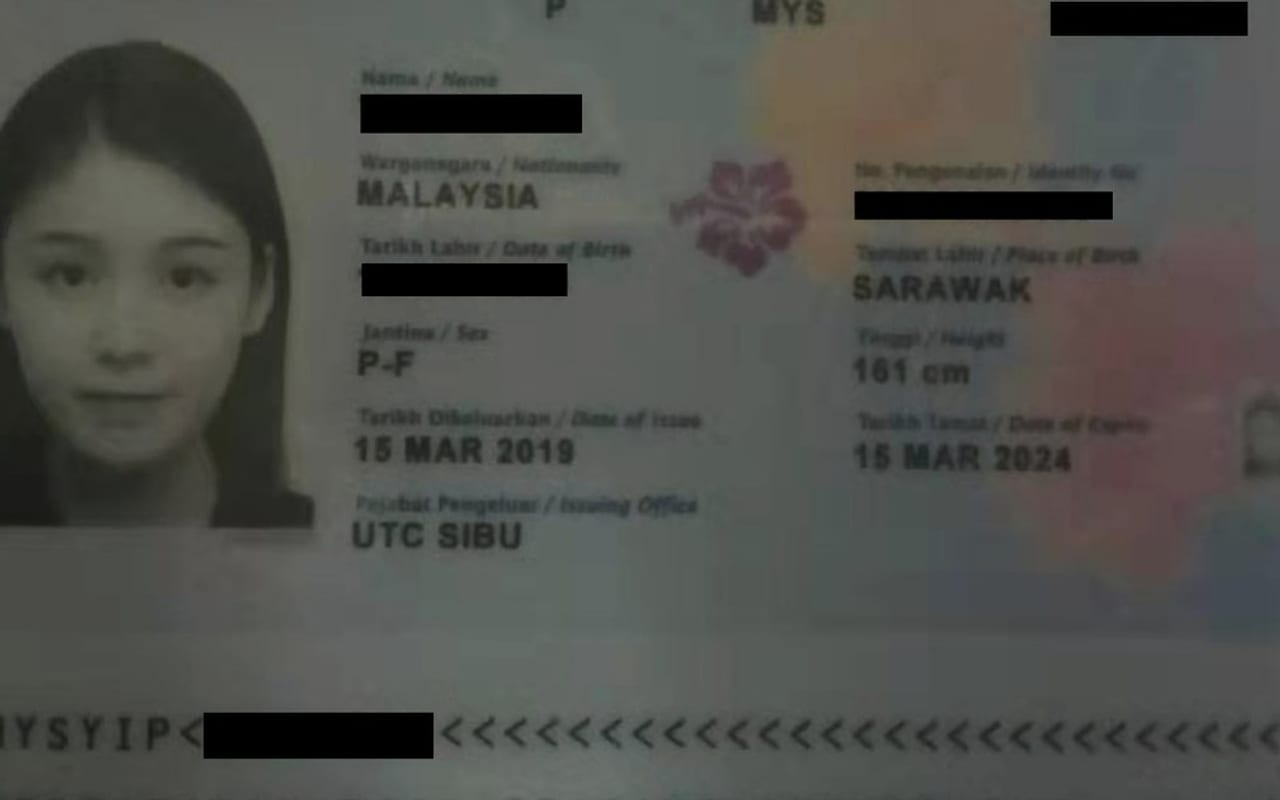
These are the questions people actually ask us about Malaysia My Second Home — the ones that come up before anyone has read a single official page. The answers below are short and honest. Where the rule is genuinely a “it depends”, we say so rather than pretending there’s a clean yes or no.
One thing up front: the figures here are as of May 2026, and MM2H rules have been rewritten more than once in recent years. Treat this as orientation, not gospel. Always confirm the current requirements on the official programme (mm2h.gov.my) before you commit any money. For the full picture, our MM2H 2026 complete guide walks through the tiers and the process in detail.
Do MM2H holders have to live in Malaysia full-time?
No. MM2H is a long-stay visa, not a residence mandate — you’re not required to be here all year round.
There is, however, a minimum-stay condition, and it varies by tier. For example, the Johor SEZ tier requires 90 days a year, cumulative. Other tiers have their own rules. So while you don’t have to relocate full-time, you can’t simply hold the visa and never set foot in the country either. Check the minimum-stay figure for the specific tier you’re applying under.
Can the fixed deposit be touched?
Partly. After you’ve held the deposit for one year, you can withdraw up to 50% of the principal for approved purposes — typically property purchase, medical, and education (the SEZ tier also allows tourism). The remaining balance stays locked for as long as you hold the visa.
So the fixed deposit isn’t entirely frozen capital, but it isn’t a flexible savings account either. Budget around the half that stays locked — that’s the part with a real opportunity cost.
I already own property in Malaysia — do I still need to buy?
It depends on the tier and the current rules. Some tiers carry a minimum-property condition, and the Johor SEZ tier specifically requires a Forest City purchase. Owning a property elsewhere doesn’t automatically satisfy that.
The honest advice: don’t assume an existing property qualifies. Get it checked against the rule for your chosen tier before you bank on it.
Can MM2H holders work or run a business?
Generally no. MM2H is not a work permit. Taking a job or actively running a business usually needs separate approval — it isn’t something the visa grants on its own.
The Platinum tier may differ here, so if working locally matters to you, verify what the specific tier allows rather than assuming. If your main goal is to work for a Malaysian employer, an Employment Pass is the route to look at, not MM2H.
How do mainland Chinese applicants get a police clearance?
The clearance comes from the 公安局 (Public Security Bureau). Once issued, it generally needs to be notarised (公证) and usually translated before it can be used in the application.
This is one of the steps that quietly adds time, so start it early. We cover the China-specific paperwork in more detail in our guide for Chinese applicants.
How long does the whole application take?
Roughly 6 to 18 months — but that range is wide for a reason. Timelines vary a lot depending on the tier, the completeness of your documents, and how the programme is processing applications at the time. They also change.
Don’t plan your move around a fixed date until you’ve confirmed the current timeline. For the stage-by-stage breakdown, see our application process guide.
Does MM2H lead to permanent residency or citizenship?
No. MM2H is a renewable long-stay visa — it is not a path to permanent residency or citizenship. You can keep renewing it as long as you keep meeting the conditions, but it doesn’t convert into PR over time, however long you hold it.
If your goal is eventual PR or citizenship, MM2H is the wrong tool, and you’d want to look at entirely different routes.
Where to go next
That covers the questions we hear most. If you want the full picture — the federal versus Johor tiers, the financial bar, the documents, and the common mistakes — read our MM2H 2026 complete guide, or browse the rest of our MM2H coverage.
And to repeat the one line that matters most: the figures and rules change, so confirm everything on the official programme before you commit a single ringgit.
Still have a question we haven’t answered? Get in touch — we answer real questions from real people moving here.
About the author
Chris Tan lives and works in Johor Bahru, Malaysia, helping people relocate to and buy property in the Iskandar region. Questions about your move? Get in touch.
Keep reading
 Property & MM2H
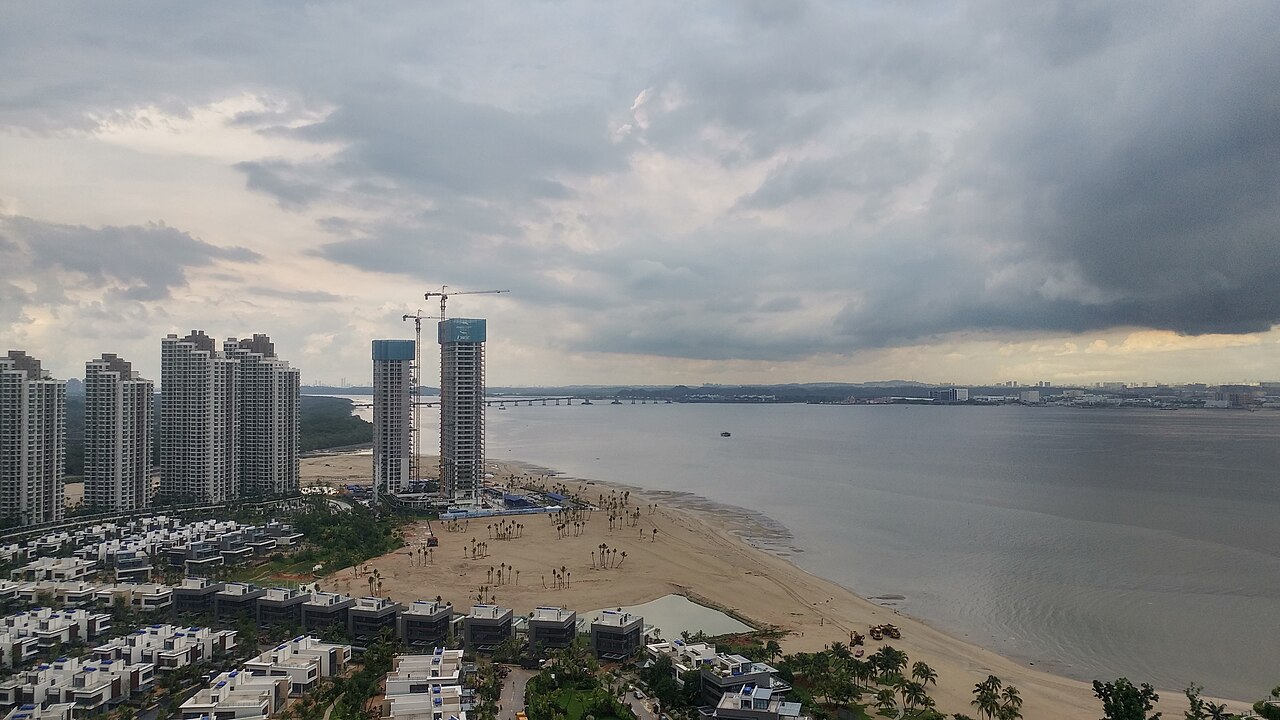
 Forest City SEZ MM2H: The Lowest-Deposit Route (2026)
The Johor SEZ tier is the cheapest way into MM2H — a USD32k–65k deposit, a 10-year visa, and a compulsory Forest City property. Here's the honest breakdown.
24 Feb 2026
 Property & MM2H
 MM2H 2026: The Complete Guide to Malaysia My Second Home
How the MM2H visa actually works in 2026 — the federal vs Johor tier, the process, documents, and what to watch for. An honest, ground-level guide.
8 Feb 2026
 Property & MM2H
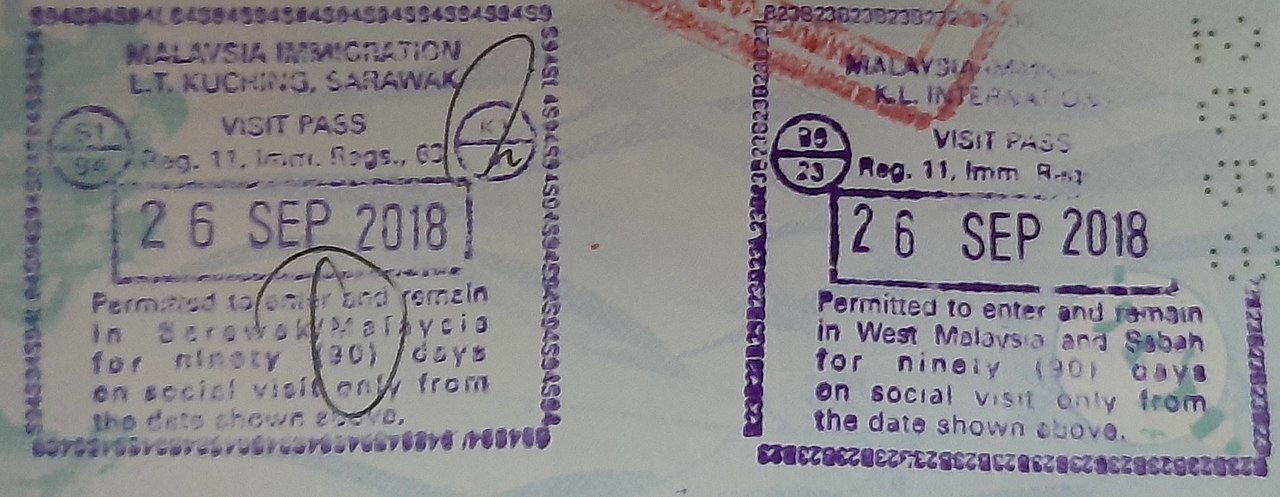
 How to Apply for MM2H: Process & Documents (2026)
The MM2H application process step by step in 2026 — eligibility, the documents you'll need, certification and translation, and a realistic timeline.
14 Feb 2026
 Property & MM2H
 MM2H for Applicants from China: A Practical Guide (2026)
Mainland Chinese applicants face a different MM2H document path — police clearance, notarisation and translation. A practical, first-hand guide to getting it right.
11 Feb 2026
 Moving to Malaysia
 Best Areas to Live in Johor Bahru: A Neighbourhood Guide
Where to live in Johor Bahru — JB city, Bukit Indah, Iskandar Puteri, Mount Austin and more, compared by lifestyle, commute to Singapore, and who each suits.
7 Feb 2026
 Moving to Malaysia
 Cost of Living in Johor Bahru 2026: A Real Monthly Budget
What it actually costs to live in Johor Bahru each month — rent, utilities, food, transport — broken down for singles and couples. Real figures, dated.
4 Feb 2026