Healthcare in Malaysia for Expats & Newcomers
How healthcare works in Malaysia for expats — public vs private hospitals, real GP and specialist costs, insurance, and why Singaporeans cross to JB for care.
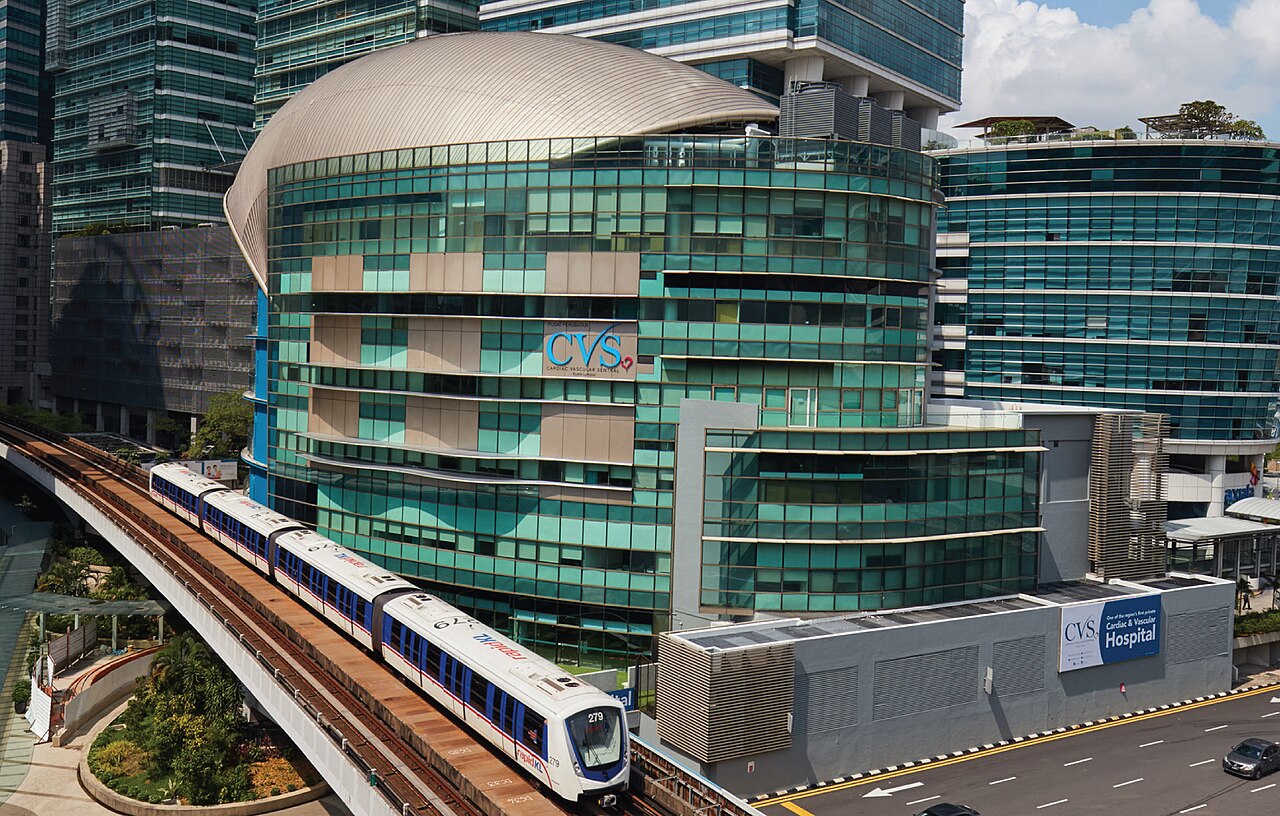
The thing most newcomers don’t expect about Malaysian healthcare is how good the private side is for the price. People arrive braced for a trade-off — cheap but rough — and instead find air-conditioned private hospitals with English-speaking specialists, short waits, and bills that make a Singaporean wince with relief. This guide walks through how the system actually works, what things cost as of May 2026, and the decisions you’ll need to make in your first few months here.
Costs below are ballparks as of May 2026 and vary by hospital, doctor and procedure. Treat them as a frame for budgeting, not a quote — always ask for an estimate before treatment.
Two systems running side by side
Malaysia runs a two-tier system: public (government) and private. They coexist, and most expats end up using both at different times.
- Public — government clinics (klinik kesihatan) and hospitals are heavily subsidised for citizens. Foreigners can use them too, but pay a separate, higher foreigner fee schedule. Care is competent and cheap, but public hospitals are busy and waits can be long, especially for non-emergencies.
- Private — KPJ, Gleneagles, Columbia Asia, Regency and others. You pay more than a local pays at a government hospital, but it’s still affordable by Western or Singaporean standards, and the experience is faster and more comfortable.
For day-to-day life, most expats lean private for anything that isn’t a true emergency, simply because it’s quick and the out-of-pocket cost is manageable.
The private hospitals in Johor Bahru
JB is well covered. The names you’ll hear most:
- KPJ — KPJ Johor Specialist Hospital and KPJ Bandar Dato’ Onn. KPJ is Malaysia’s largest private hospital group, so you’ll see it everywhere.
- Gleneagles — Gleneagles Hospital Medini, in Iskandar Puteri, positioned at the premium end.
- Columbia Asia — branches including Iskandar Puteri and Tebrau; known for affordable, no-frills private care.
- Regency Specialist Hospital — in Masai, on the eastern side.
KPJ Johor Specialist Hospital
- 📍 Address
- 39B, Jalan Abdul Samad, Kolam Ayer, 80100 Johor Bahru, Johor
Gleneagles Hospital Medini Johor
- 📍 Address
- No. 2, Jalan Medini Utara 4, Medini Iskandar, 79250 Iskandar Puteri, Johor
Columbia Asia Hospital (Iskandar Puteri & Tebrau branches)
Regency Specialist Hospital
- 📍 Address
- No. 1, Jalan Suria, Bandar Seri Alam, 81750 Masai, Johor
These hospitals are JCI-style accredited, staffed by specialists who often trained abroad, and run in English. That’s a big part of why JB has become a genuine medical-tourism destination.
What private care actually costs
Rough out-of-pocket figures, as of May 2026:
| Service | Typical private cost (RM) |
|---|---|
| GP / clinic visit (with basic meds) | 40–120 |
| Specialist consultation | 100–300 |
| Hospital bed, per night | 250–800+ |
| Appendectomy (surgery + stay) | 12,000–25,000 |
| MRI scan | 800–2,000 |
A private GP visit is cheap enough that most people just pay for minor things directly rather than bother with a claim. The bills that matter — and the reason to carry insurance — are the inpatient and surgical ones, which can run into five figures.
Why so many Singaporeans cross to JB for treatment
This is one of the quieter facts about living here, and it’s worth understanding because it shapes the whole private-healthcare scene in Johor.
Private care in JB typically costs 30 to 60 percent less than the equivalent in Singapore, and that’s before you factor in the exchange rate. A Singaporean earning and saving in Singapore dollars, spending in ringgit, gets a double discount. So people cross the Causeway for dental work, health screenings, scans, specialist consults and elective procedures — and increasingly for the kind of care that’s simply expensive at home.
A few things accelerate this:
- MediSave — several JB hospitals are approved facilities, so eligible Singaporeans can use CPF MediSave funds for certain treatments across the border.
- The RTS Link — the Johor Bahru–Singapore Rapid Transit System rail link is slated to open by the end of 2026, cutting the crossing to roughly a five-minute train ride. That’s expected to push cross-border healthcare demand up sharply.
For you as a resident, the upshot is simple: JB’s private hospitals are competing for a cross-border patient base, which keeps quality up and pricing competitive.
Health insurance for expats
You can pay out of pocket for routine care, but you should not self-insure against a serious hospitalisation. One major surgery or extended stay can run far beyond what most people want to absorb directly.
Two broad routes:
- Local Malaysian private health insurance — generally the cheapest option, covers treatment within Malaysia. Premiums depend heavily on age and the level of cover.
- International / expat health insurance — pricier, but covers you across borders (useful if you’ll also seek care in Singapore or travel often) and tends to offer higher annual limits.
As a rough frame, a younger single adult might pay from around RM150 a month for solid local cover, climbing well past RM500+ for older adults, families, or comprehensive international plans. The honest advice is that this varies so much by age, health and policy that the only real number is the one in your own quote — get two or three and compare what’s actually covered, not just the headline premium.
One practical point: in private hospitals, if your insurer doesn’t have a direct-billing arrangement with that hospital, you may need to pay first and claim back. Worth checking which hospitals your policy bills directly before you need them.
Pharmacies and everyday meds
Pharmacies are everywhere — Guardian, Watsons, Caring in malls, plus countless independent ones. A registered pharmacist is on hand, and many common medications that need a prescription elsewhere can be bought over the counter here after a quick chat with the pharmacist. For anything controlled or serious, you’ll still need a doctor. Prices for routine medication are low.
Emergencies — the one number to remember
999 is the all-purpose emergency number in Malaysia — ambulance, police, fire. It works from any phone. 112 also routes to emergency services from a mobile.
A caveat worth knowing: government ambulance response times vary, and in a serious emergency many people simply get to the nearest private hospital’s A&E directly rather than wait. Know which private hospital is closest to home before you need to think about it.
Setting up: what to do in your first month
- Find a GP or clinic near home — for the small stuff, you want somewhere five minutes away.
- Sort insurance — get quotes, compare cover and direct-billing hospitals, and don’t leave a gap.
- Note your nearest private A&E — and save 999 where you’ll find it fast.
- Bring your records — a summary of any ongoing conditions and current medications, ideally in English, saves a lot of repetition.
Healthcare rarely makes anyone’s pros-and-cons list when deciding to move here, but it should sit in the plus column. For how it fits into a monthly budget, see our cost of living in Johor Bahru breakdown, and if you’re still weighing the move, the moving to Johor Bahru guide covers the rest of the setup. Got a specific question? Get in touch.
About the author
Chris Tan lives and works in Johor Bahru, Malaysia, helping people relocate to and buy property in the Iskandar region. Questions about your move? Get in touch.
Keep reading
 Living Essentials
 Buying a Car in Malaysia: New, Used & Recon, Prices & Number Plates
Why cars cost so much in Malaysia, the difference between new, used and recon cars, and how the JPJ number-plate bidding (JPJeBid) actually works — a 2026 guide.
24 Feb 2026
 Living Essentials
 Driving in Malaysia: Licence, Buying a Car & Insurance
A foreigner's guide to driving in Malaysia in 2026 — using a foreign licence, converting it, buying a car, financing limits, road tax, insurance, and the RON97 fuel rule.
25 Feb 2026
 Living Essentials
 Income Tax in Malaysia for Foreigners & Residents
A plain-English guide to Malaysian income tax for foreigners — the 182-day residency rule, resident progressive rates, the flat 30% non-resident rate, MM2H, and filing.
27 Feb 2026
 Living Essentials
 Malaysia SIM Card & Mobile Data: A Newcomer's Guide
Getting a Malaysian SIM in 2026 — the main telcos, prepaid vs postpaid, eSIM, the mandatory passport registration rule, real data plan prices, and where to buy.
5 Mar 2026
 Moving to Malaysia
 Best Areas to Live in Johor Bahru: A Neighbourhood Guide
Where to live in Johor Bahru — JB city, Bukit Indah, Iskandar Puteri, Mount Austin and more, compared by lifestyle, commute to Singapore, and who each suits.
7 Feb 2026
 Property & MM2H
 Buying Property in Iskandar Malaysia: A Foreigner's Guide (2026)
Can foreigners buy property in Johor? Yes — here's how it actually works in Iskandar Malaysia: rules, process, financing, fees, and the mistakes to avoid.
10 Feb 2026