Crossing the JB–Singapore Border: A Complete Guide
How to cross the Johor Bahru–Singapore border in 2026 — Causeway vs Second Link, VEP and road charges, QR/autogate clearance, peak times, and car vs bus vs motorcycle.
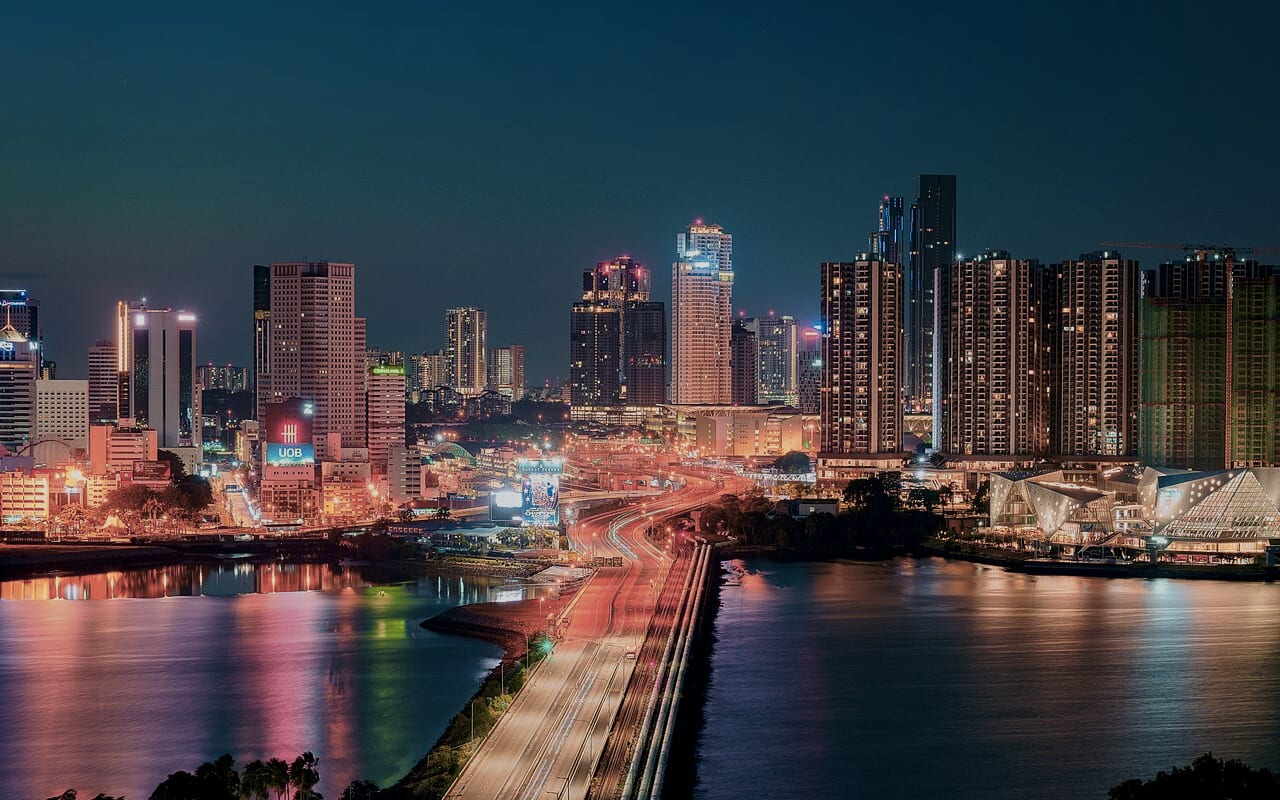
The JB–Singapore border is one of the busiest land crossings on earth, and crossing it well is a skill. Get the timing, the permits and the lane choice right and it’s a 20-minute formality. Get them wrong and you lose two hours of your day. This guide covers the two crossings, the permits and charges that apply in 2026, the new digital clearance options, and how to time it.
If you’re moving here and this commute is part of the decision, read Johor Bahru vs Singapore living alongside this.
The two crossings
There are exactly two land links between JB and Singapore:
- The Causeway — connects JB city centre (Bangunan Sultan Iskandar CIQ) to Woodlands in northern Singapore. The older, shorter, far busier crossing. Carries cars, buses, motorcycles, lorries — and is also where the RTS Link runs parallel.
- The Second Link (Tuas) — connects Gelang Patah in western JB to Tuas in western Singapore. Longer, tolled higher, but consistently less congested. Often the smarter choice if your origin or destination is on the western side, or simply to dodge Causeway jams.
Rule of thumb: Causeway for the city centre and shortest distance; Second Link when the Causeway is jammed or you’re heading west.
Permits and charges for drivers (2026)
If you drive a Singapore-registered car into Malaysia, several things now apply. This is the part that trips people up.
VEP (Vehicle Entry Permit). Mandatory for foreign-registered vehicles, and fully enforced since 1 July 2025. You register online with Malaysia’s road transport department (JPJ), get an RFID tag, and affix it to your car. Driving in without an activated VEP risks a RM300 compound fine, and you won’t be allowed to exit Malaysia until it’s settled.
- The RFID tag costs about RM10 (plus delivery — roughly RM30 service and RM15 postage to a Singapore or Malaysia address). The tag is valid for around five years.
- Apply early. Registration, tag delivery and activation take time, and you don’t want to discover a problem at the checkpoint.
Malaysian Road Charge. A RM20 road charge applies each time a foreign private car enters Malaysia, paid via the VEP/Touch ‘n Go setup.
Causeway / checkpoint tolls. There are tolls on both sides. On the Singapore side, leaving via Woodlands carries a small toll (on the order of under S$1 for a car); Malaysia levies its own toll plus the road charge above. The Second Link tolls more than the Causeway.
Touch ‘n Go. Get a Touch ‘n Go card (and ideally the RFID/eWallet setup) before you drive — it’s how tolls and the road charge are paid on the Malaysian side. Cash is slow and sometimes not accepted.
Looking ahead — Singapore’s VEP. Singapore also charges foreign cars a daily VEP fee. From 1 January 2027 this rises from S$35 to S$50 per car per day (motorcycles S$4 to S$7), and the previous free-day allowance is being removed. If you’ll drive in often, factor this into your 2027 budget — it’s a meaningful change for daily commuters.
Immigration: passports, QR codes and autogates
Clearance has gone increasingly digital, but the headline rule hasn’t changed: bring your passport every time.
Singapore side — QR code clearance. Travellers crossing by car, motorcycle, bus or lorry can use a QR code instead of stamping a passport at Woodlands and Tuas. You set up a profile and generate an individual or group QR code in the MyICA app (App Store / Google Play). It speeds things up — but you still carry your passport.
Malaysia side — MyNIISe e-gates. Malaysia began rolling out its National Integrated Immigration System (MyNIISe) e-gates from March 2026 at the land checkpoints. You clear via a QR code (MyNIISe app) or facial recognition. Important: MyNIISe speeds up clearance but does not replace your passport — it can’t verify identity on its own, so the passport still comes with you.
Malaysia Digital Arrival Card (MDAC). Foreign visitors entering Malaysia are generally expected to fill in the MDAC online before arrival. Check your eligibility and exemptions before you travel.
The practical upshot: set up MyICA and MyNIISe ahead of time, keep your passport on you, and you’ll move through the digital lanes far faster than the manual ones.
Car vs bus vs motorcycle
How you cross changes the experience completely.
- Car — most flexible, but you bear VEP, RFID, road charge, tolls and the full weight of any jam. In a bad queue, a car is the slowest option because it can’t filter.
- Motorcycle — by far the fastest way across at peak. Bikes filter to the front, have dedicated lanes, and pay far less. The dominant choice for daily Malaysian workers commuting into Singapore. The trade-off is weather and safety.
- Bus / public coach — no VEP or car costs, dedicated bus lanes and QR clearance make it efficient, and you can rest or work en route. The catch is you queue with everyone at peak and depend on the schedule. For many car-free commuters it’s the sensible default — and the RTS Link (see our RTS guide) is set to make this category dramatically faster once it opens.
- Walking — yes, people walk the Causeway. It’s viable and sometimes faster than sitting in a vehicle jam, though it’s a real walk in the heat.
Timing — the single biggest lever
Nothing matters more than when you cross. Off-peak, a crossing is 15–30 minutes from approach to clearance. At peak, it can be one to two hours.
General timing guidance:
- Avoid: Friday evening (after ~5 PM), Saturday morning (roughly 9 AM–noon), Sunday evening return, and anything within 12 hours either side of a Singapore or Malaysia public holiday. School holidays and long weekends are the worst.
- Quieter windows into Singapore: very early morning (2–5 AM) and the mid-morning lull (around 10 AM–noon).
- Use the Second Link when the Causeway is jammed — it’s lighter through the day, especially Saturday mornings.
- Check live traffic before you leave. Causeway/checkpoint live camera and traffic sites let you see the queue in real time and pick your crossing and timing accordingly.
The bottom line
Crossing the JB–Singapore border well comes down to four things: sort your permits early (VEP + RFID + Touch ‘n Go for drivers), go digital (MyICA QR + MyNIISe, passport still in pocket), pick the right crossing (Causeway for the centre, Second Link to dodge jams), and above all time it — timing beats every other trick. And keep an eye on two 2026–27 changes: Singapore’s VEP fee rising in January 2027, and the RTS Link arriving to take a big slice of foot-and-bus traffic off the Causeway entirely.
Planning a move where this crossing is part of daily life? Get in touch — we’ll help you pick an area that keeps your commute sane.
Sources (May 2026): Wise VEP guide, ICA QR code clearance, TheSmartLocal e-gate / MyNIISe guide.
About the author
Chris Tan lives and works in Johor Bahru, Malaysia, helping people relocate to and buy property in the Iskandar region. Questions about your move? Get in touch.
Keep reading
 Travel & Explore
 Best Time to Visit Malaysia: Weather, Seasons & Crowds
When to visit Malaysia depends on where you go. A region-by-region guide to monsoons, haze, heat, school holidays and 2026 festival dates from someone who lives here.
2 Mar 2026
 Travel & Explore
 Bak Kut Teh in Johor Bahru: Where to Go
A local guide to bak kut teh in Johor Bahru — Shoon Huat, Hwa Mei, Kota Tinggi style, the difference between herbal and peppery broth, and rough 2026 prices.
6 Mar 2026
 Travel & Explore
 Beaches Near Johor Bahru
A local's guide to beaches near Johor Bahru — Desaru Coast, Tanjung Balau, Tanjung Piai and more, with drive times, rough 2026 costs and honest expectations.
11 Mar 2026
 Travel & Explore
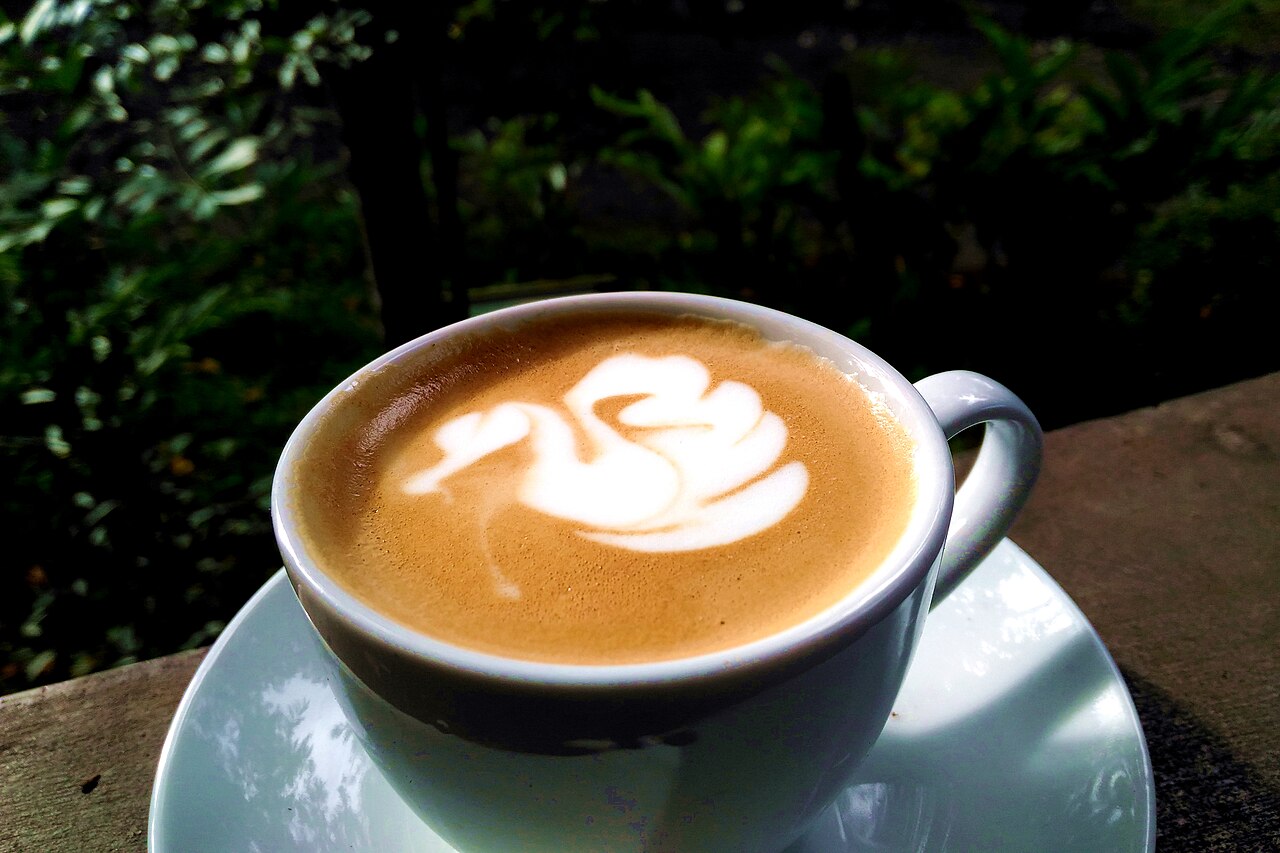
 The Best Cafes in Johor Bahru
A local guide to the best cafes in Johor Bahru — specialty coffee and brunch in Mount Austin and Taman Molek, where to work, and rough 2026 prices.
12 Mar 2026
 Moving to Malaysia
 Best Areas to Live in Johor Bahru: A Neighbourhood Guide
Where to live in Johor Bahru — JB city, Bukit Indah, Iskandar Puteri, Mount Austin and more, compared by lifestyle, commute to Singapore, and who each suits.
7 Feb 2026
 Property & MM2H
 Buying Property in Iskandar Malaysia: A Foreigner's Guide (2026)
Can foreigners buy property in Johor? Yes — here's how it actually works in Iskandar Malaysia: rules, process, financing, fees, and the mistakes to avoid.
10 Feb 2026