Is Johor Bahru Safe? An Honest Look for Newcomers
Johor Bahru's safety reputation, examined honestly — what's overblown, what's real, the actual risks, and the common-sense precautions that matter.
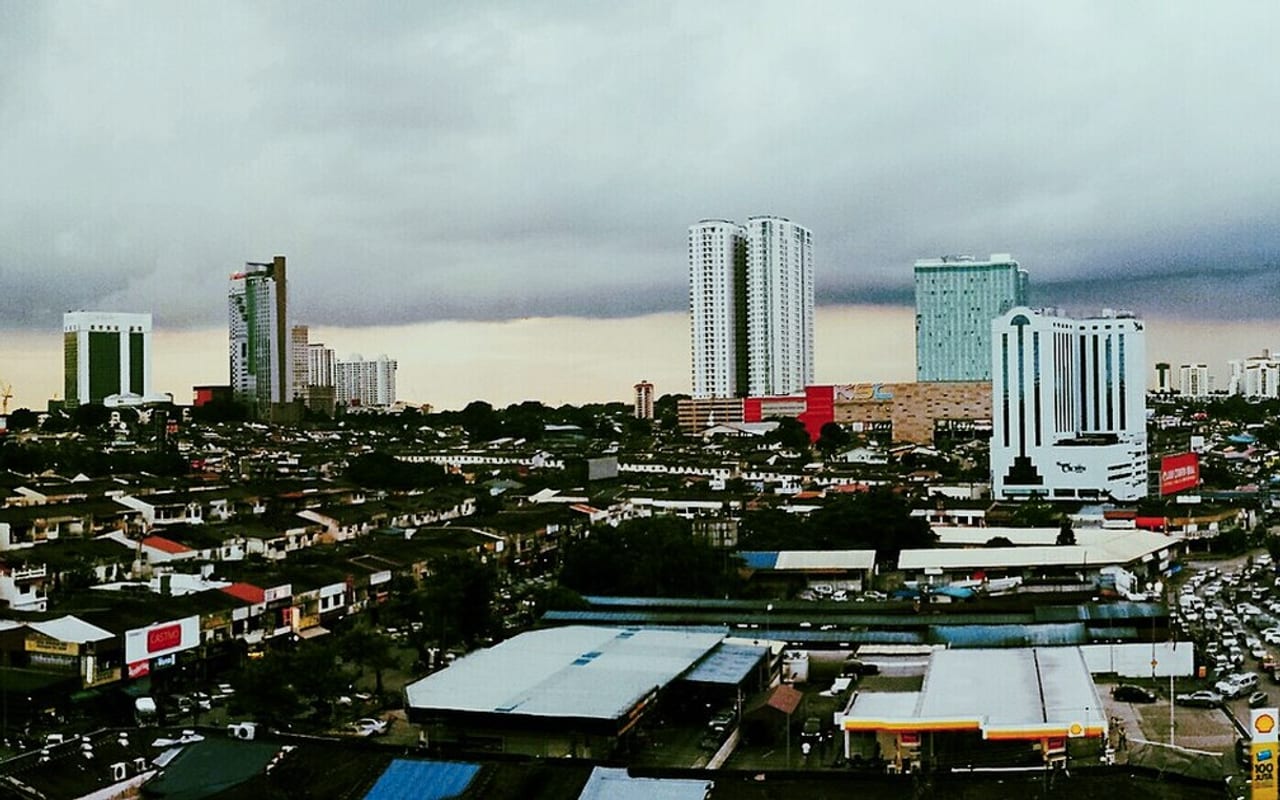
Ask anyone in Singapore about Johor Bahru and you’ll usually hear some version of the same warning: “Be careful over there.” JB has carried a rough reputation for decades, partly earned, partly inherited from old stories that no longer match the place. If you’re thinking of moving here, you deserve a straight answer rather than either fear-mongering or a tourism-board brochure.
So here it is, as honestly as I can put it: JB is a normal, liveable city with normal city problems. It is not a war zone, and it is not paradise. The trick is knowing which risks are real, which are overblown, and what actually keeps you out of trouble day to day.
This is a calm, ground-level take — not crime statistics. Where exact numbers matter, check official police (PDRM) figures, because they shift year to year.
The reputation: where it comes from
JB’s image was shaped years ago by stories of snatch thefts, car break-ins, and the odd cross-border crime that made Singapore headlines. Some of that reflected a real period. But a reputation, once set, lags behind reality by a decade or more — and a lot of the scariest tales you’ll hear are second-hand, exaggerated, or simply old.
The city has changed enormously. Large gated developments, busier commercial districts, and far more CCTV than people assume have changed the day-to-day picture in many areas.
Petty crime vs violent crime — don’t confuse them
This is the single most important distinction, and most people lump them together.
Petty crime — opportunistic theft — is the realistic concern for most residents:
- Snatch theft (bag or phone grabbed, sometimes from a passing motorbike)
- Car and home break-ins, usually targeting visible valuables or soft targets
- Pickpocketing in crowded markets and around the checkpoints
Violent crime aimed at ordinary residents going about their day is far less common than the reputation suggests. The vast majority of newcomers will live here for years without encountering it. As in any city, you reduce your exposure further by not getting involved in things you shouldn’t — drugs, gambling debts, dodgy business.
The mental model that serves you well: treat JB like any mid-sized Southeast Asian city. Be sensible, not scared.
Area by area: common-sense reading
JB is spread out, and “safe” varies street by street more than city by city. A few honest general patterns:
- Gated and guarded communities — the most reassuring option for families, and a big reason people choose them. You pay for it in maintenance fees.
- Newer planned townships (Iskandar Puteri / Medini area) — built recently, generally well-lit, lots of security infrastructure.
- Older city-centre pockets and areas near the checkpoints — busier, more transient foot traffic, where petty theft is more of a thing. Fine to live in or visit; just stay more aware.
Don’t pick a home on the safety label alone — pick on whether the specific neighbourhood feels right when you walk it in the evening. We’ll go deeper in our Best Areas to Live in Johor Bahru guide.
Scams that target foreigners
Honestly, for many newcomers this is a bigger practical risk than street crime — and it costs more.
- Property and rental scams — “agents” collecting deposits for places they don’t represent, or fake listings. Never pay a deposit before verifying the property and the person.
- Phone and impersonation scams — calls claiming to be from the bank, courier, customs, or police, pressuring you to transfer money. Malaysian authorities will not ask for transfers over the phone.
- Money-changer and overcharging tricks at the border and tourist spots — count your change, use reputable changers.
- “Friendly fixer” overcharging — someone offering to sort your visa, car, or utilities for an inflated fee.
The defence is the same everywhere: slow down, verify independently, and never let urgency push you into paying. Real deals survive a 24-hour pause; scams don’t.
Road safety — the risk people underrate
If I had to name the genuine daily danger in JB, it isn’t crime. It’s the roads.
Traffic here is fast, motorbikes weave constantly, and rules are treated as suggestions more than in Singapore. The realistic precautions:
- Drive defensively and assume motorbikes will appear in your blind spot — because they will.
- Be extra careful at night, in the rain, and around the border crush at peak hours.
- If you ride a motorbike, wear a proper helmet every single time. This is where serious injuries actually happen.
- Watch for pedestrians and bikes when reversing in car parks.
Newcomers from orderly cities consistently underestimate this. It deserves more of your attention than the snatch-theft stories.
Practical day-to-day precautions
None of this is dramatic. It’s the boring stuff that quietly keeps you fine:
- Carry your bag on the side away from the road, especially walking near traffic.
- Don’t leave anything visible in a parked car — bags, phones, laptops.
- Use ATMs inside malls or banks rather than isolated street machines.
- Keep your phone in your pocket, not your hand, when walking busy or quiet streets at night.
- Lock up properly at home; choose places with decent security if it matters to you.
- Save the emergency number — 999 for police, ambulance, and fire in Malaysia.
- Trust your gut. If a street, a deal, or a person feels off, step away. It’s free.
So, is it safe?
For the ordinary person living an ordinary life here: yes, with normal city sense. The reputation is heavier than the reality, but it isn’t pure myth either — petty theft is real, scams are real, and the roads genuinely demand respect. What’s largely overblown is the fear of constant danger.
Most people who move here settle in, relax within a few months, and wonder what they were so worried about. Go in aware, not anxious.
If you want the wider picture of settling in, start with our relocation guide and Best Areas to Live in Johor Bahru. And if you’ve got a specific worry about a particular area or situation, get in touch — I’d rather give you a straight, local answer than let an old rumour decide it for you.
About the author
Chris Tan lives and works in Johor Bahru, Malaysia, helping people relocate to and buy property in the Iskandar region. Questions about your move? Get in touch.
Keep reading
 Moving to Malaysia
 Best Areas to Live in Johor Bahru: A Neighbourhood Guide
Where to live in Johor Bahru — JB city, Bukit Indah, Iskandar Puteri, Mount Austin and more, compared by lifestyle, commute to Singapore, and who each suits.
7 Feb 2026
 Moving to Malaysia
 Cost of Living in Johor Bahru 2026: A Real Monthly Budget
What it actually costs to live in Johor Bahru each month — rent, utilities, food, transport — broken down for singles and couples. Real figures, dated.
4 Feb 2026
 Moving to Malaysia
 International Schools in Johor Bahru: A Parent's Guide
A practical guide to international schools in Johor Bahru & Iskandar — the real schools, curricula, honest 2026 fee ranges, EduCity, and the waitlist reality.
16 Feb 2026
 Moving to Malaysia
 Johor Bahru vs Singapore: Cost of Living & Daily Commute Compared
A real comparison of living in Johor Bahru vs Singapore — rent, food, fuel and the daily border commute — with current 2026 numbers and the honest trade-offs.
16 Feb 2026
 Property & MM2H
 Buying Property in Iskandar Malaysia: A Foreigner's Guide (2026)
Can foreigners buy property in Johor? Yes — here's how it actually works in Iskandar Malaysia: rules, process, financing, fees, and the mistakes to avoid.
10 Feb 2026
 Travel & Explore
 Crossing the JB–Singapore Border: A Complete Guide
How to cross the Johor Bahru–Singapore border in 2026 — Causeway vs Second Link, VEP and road charges, QR/autogate clearance, peak times, and car vs bus vs motorcycle.
8 Mar 2026