Where to Eat Seafood in Johor Bahru
A local guide to seafood in Johor Bahru — Senibong waterfront restaurants, Sungai Rengit, what to order, how pricing works by weight, and rough 2026 costs.
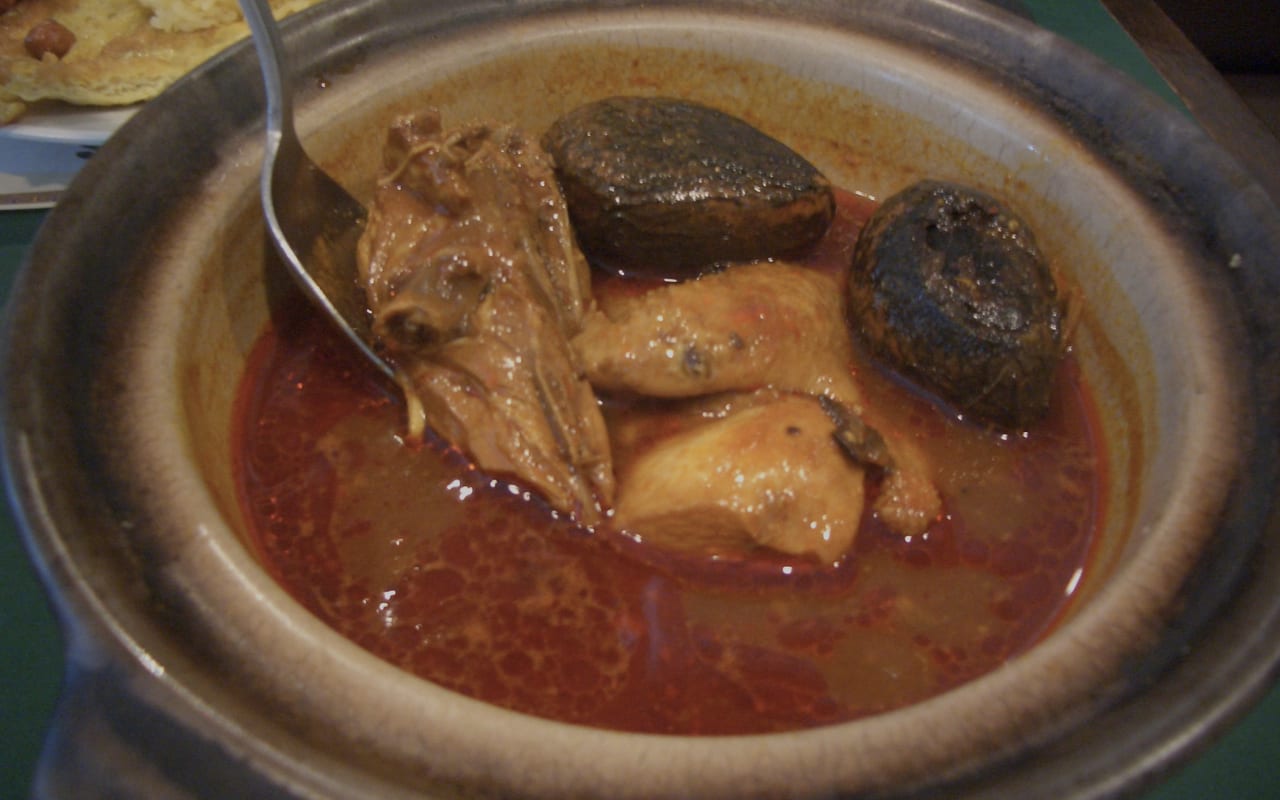
JB sits right on the Straits of Johor, so seafood here isn’t a special occasion — it’s a Tuesday. After years of living in the city, I’ve learned that a good seafood dinner here costs a fraction of what the same meal would run across the border, and the catch is genuinely fresh. This is a guide to where to go, what to order, and how to avoid the one rookie mistake that blows the bill out.
For the wider city picture, our Johor Bahru explore guide covers the rest. Here, we’re talking crab, prawns and a sea breeze.
The waterfront clusters
The best seafood in JB tends to come with a view, because the standout spots are built out over the water.
Senibong Seafood Village (Permas Jaya)
This is the one I send people to first. Kampung Senibong in Permas Jaya is a stretch of six or seven seafood restaurants with dining decks built out over the beach, facing the Straits of Johor. At sunset, with the breeze coming off the water and Singapore’s skyline glinting in the distance, it’s hard to beat for atmosphere.
You’ll find both Chinese-style tze char seafood and Anjung Senibong, a well-regarded Malay seafood spot where you pick your fresh catch and have the chef cook it your way. It’s halal-friendly, which makes Senibong a rare place a mixed group can all eat happily.
Anjung Senibong Seafood
- 🕐 Hours
- Daily from afternoon till late (around 3pm–late)
- 📍 Address
- Persiaran Senibong, Bandar Baru Permas Jaya, 81750 Masai, Johor
Sungai Rengit (Pengerang)
About an hour out toward the eastern tip of Johor, Sungai Rengit is a fishing town that draws people specifically for seafood, especially lobster and crab straight off the boats. Jade Garden is the best-known name out there. It’s a drive, so treat it as a day trip rather than a casual dinner — pair it with the coastal scenery and make an afternoon of it.
Jade Garden Seafood (Sungai Rengit)
Sungai Rengit, Pengerang — best known for lobster and crab off the boats. About an hour from the city.
Open in Google Maps (photos & live hours) →Kukup
Out on the western side, Kukup is a fishing village built on stilts over the water, famous for its seafood and its kelong (stilt-house) restaurants. It’s touristy and it’s a haul from the city, but the novelty of eating over the sea on wooden platforms is real. Best as a weekend outing rather than a regular spot.
What to order
Seafood menus in JB look intimidating until you know the greatest hits. Order these and you can’t go wrong.
Chilli crab or salted-egg crab — the headline dish. Chilli crab comes in a sweet-spicy tomato gravy you mop up with fried mantou buns; salted-egg crab is rich and gritty in the best way. Crab is priced by weight, usually per 100g or per kg.
Butter prawns — prawns tossed in a fragrant butter-and-curry-leaf coating, sometimes with crispy egg floss. Almost everyone’s favourite.
Steamed fish — the cleanest way to judge a kitchen’s freshness. A whole fish steamed with soy, ginger and spring onion. Ask what came in fresh that day.
Cereal prawns — prawns coated in a sweet, savoury, crunchy cereal mix. Sounds odd, tastes great.
Sambal stingray (ikan bakar) — stingray grilled in banana leaf under a thick layer of sambal. A JB classic, often cheaper than the showier dishes.
Lala (clams) in superior broth or with ginger — light, garlicky, a good counterweight to the heavier fried dishes.
Kangkung belacan — stir-fried water spinach with shrimp paste. The standard vegetable order, and the right one.
How seafood pricing actually works
Here’s the thing nobody tells first-timers, and it’s the single biggest source of bill shock.
Most premium seafood — crab, lobster, prawns, certain fish — is priced by weight at market rate, not at a fixed menu price. The menu might say “RM12 per 100g” for crab, and the actual cost depends on how big a crab you pick. So:
- Always ask the weight and the per-unit price before you say yes. Get them to weigh it in front of you.
- Confirm the total for the live items before the kitchen cooks them. A reasonable staff member will tell you straight.
- The vegetable, noodle and rice dishes are fixed-price and cheap, so load up on those to round out the meal.
This isn’t a scam — it’s normal practice everywhere in Malaysia — but the weight system catches out people who assume everything has a set price.
What it costs, roughly
As of 2026, a seafood dinner for two at a Senibong-style waterfront restaurant — a crab, a prawn dish, a vegetable, rice and drinks — typically lands around RM120–200, with the crab being most of it. Go for a bigger crab or add lobster and you’ll climb past that quickly.
If you keep it modest — sambal stingray, lala, a vegetable and rice — two people can eat well for RM60–90. The lower-key fish-and-clam dishes are where the value sits.
By Singapore standards this is a bargain, which is exactly why the weekend crowds cross over for it. That cost gap is part of the broader value story we cover in our cost of living in Johor Bahru guide.
A few honest tips
- Go at sunset for Senibong. The view is genuinely half the experience, and it cools down nicely.
- Book ahead on weekends. The waterfront spots fill up fast Friday through Sunday.
- Drive or grab a ride. Most of the good seafood is not walkable from the city centre, and parking at Senibong can be tight.
- For the far-out spots (Sungai Rengit, Kukup), make it a day. They’re not worth a special trip for dinner alone, but they’re great as part of a coastal outing.
Fresh seafood with a sea breeze, at prices that don’t ruin the weekend — that’s one of the quiet pleasures of eating in JB.
About the author
Chris Tan lives and works in Johor Bahru, Malaysia, helping people relocate to and buy property in the Iskandar region. Questions about your move? Get in touch.
Keep reading
 Travel & Explore
 Best Time to Visit Malaysia: Weather, Seasons & Crowds
When to visit Malaysia depends on where you go. A region-by-region guide to monsoons, haze, heat, school holidays and 2026 festival dates from someone who lives here.
2 Mar 2026
 Travel & Explore
 Crossing the JB–Singapore Border: A Complete Guide
How to cross the Johor Bahru–Singapore border in 2026 — Causeway vs Second Link, VEP and road charges, QR/autogate clearance, peak times, and car vs bus vs motorcycle.
8 Mar 2026
 Travel & Explore
 Bak Kut Teh in Johor Bahru: Where to Go
A local guide to bak kut teh in Johor Bahru — Shoon Huat, Hwa Mei, Kota Tinggi style, the difference between herbal and peppery broth, and rough 2026 prices.
6 Mar 2026
 Travel & Explore
 Beaches Near Johor Bahru
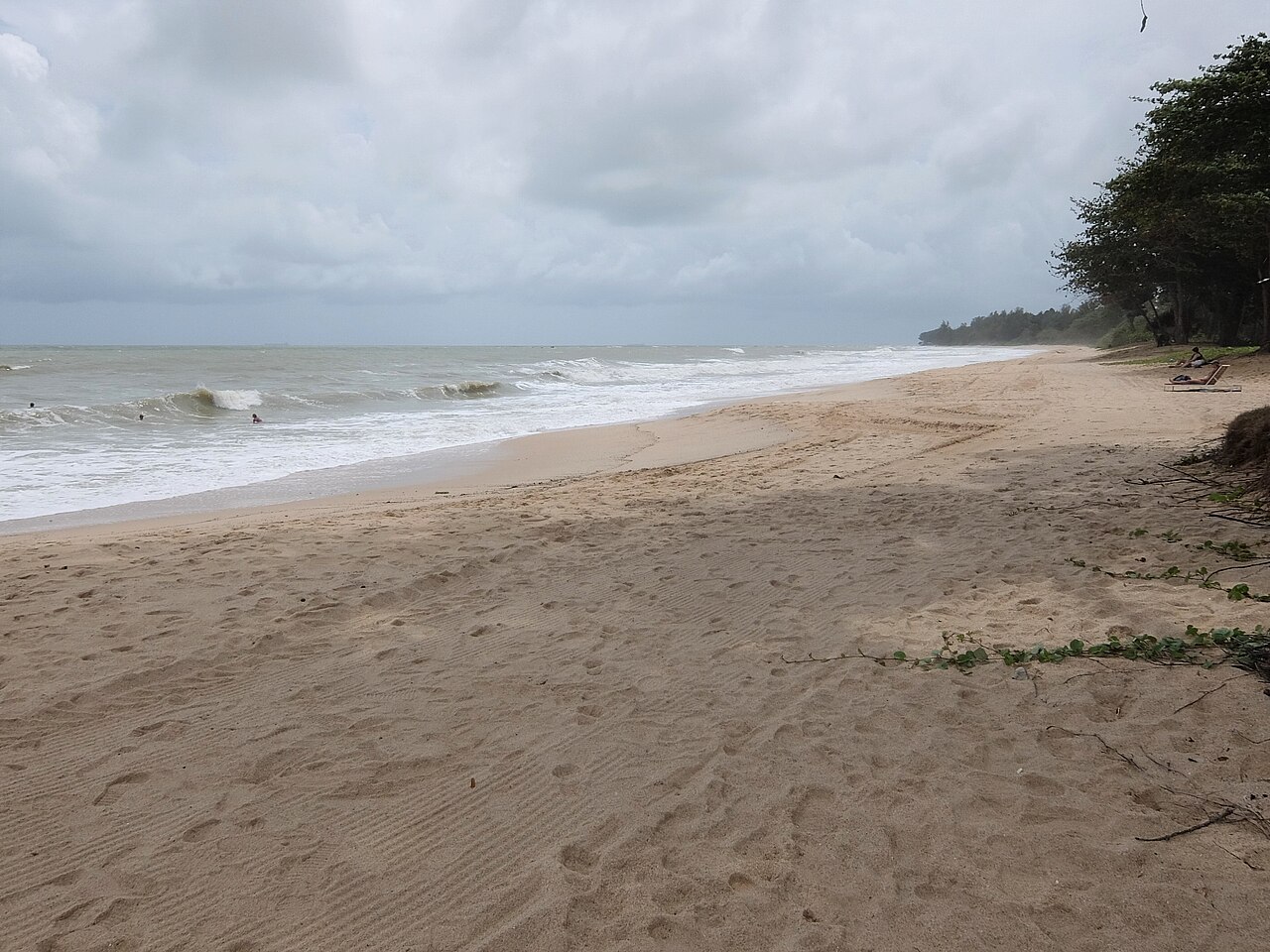
A local's guide to beaches near Johor Bahru — Desaru Coast, Tanjung Balau, Tanjung Piai and more, with drive times, rough 2026 costs and honest expectations.
11 Mar 2026
 Moving to Malaysia
 Best Areas to Live in Johor Bahru: A Neighbourhood Guide
Where to live in Johor Bahru — JB city, Bukit Indah, Iskandar Puteri, Mount Austin and more, compared by lifestyle, commute to Singapore, and who each suits.
7 Feb 2026
 Property & MM2H
 Buying Property in Iskandar Malaysia: A Foreigner's Guide (2026)
Can foreigners buy property in Johor? Yes — here's how it actually works in Iskandar Malaysia: rules, process, financing, fees, and the mistakes to avoid.
10 Feb 2026