Nyonya (Peranakan) Food in Malacca: What & Where to Eat
A guide to Nyonya (Peranakan) cuisine in Malacca — ayam pongteh, assam fish, chap chye, the restaurants worth booking, and rough 2026 prices.
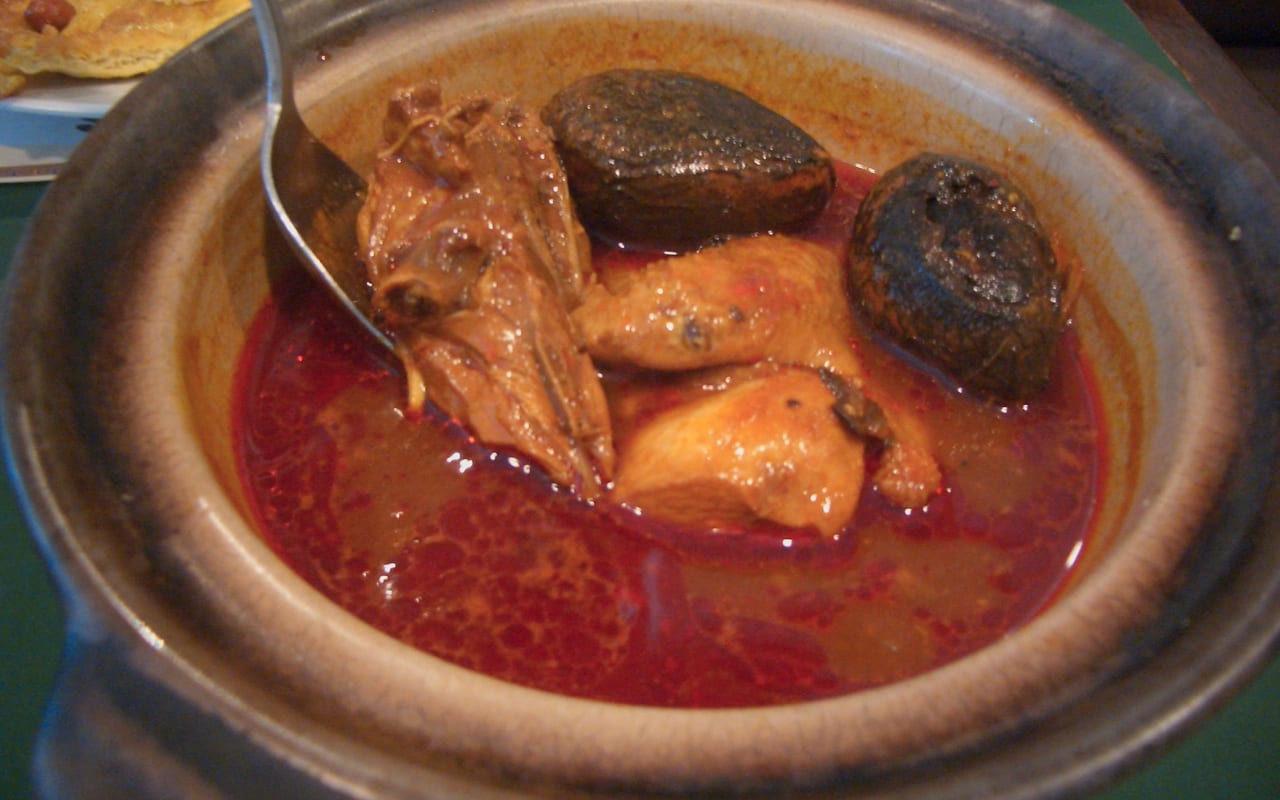
If there’s one reason food lovers make the trip to Malacca specifically, it’s Nyonya food. This is the home of Peranakan cuisine — the kitchen that grew out of marriages between early Chinese settlers and the local Malay community centuries ago. The result is unmistakable: Chinese technique meets Malay spice, with a depth of flavour built on hours of pounding rempah (spice paste) by hand. It’s labour-intensive, deeply aromatic home cooking, and Malacca does it better than almost anywhere. Here’s what to order and where, with rough 2026 prices.
For the city beyond the dinner table, see our Malacca explore guide.
What makes Nyonya food different
Nyonya cooking sits in a sweet spot between two traditions. From the Chinese side come braises, soy, and techniques like steaming and stir-frying. From the Malay side come belacan (fermented shrimp paste), coconut milk, tamarind, candlenuts, lemongrass and galangal. The signature notes are sour-spicy (assam), savoury-fragrant, and a balanced sweetness — often from gula Melaka, the local palm sugar.
This is also food built around the table, not the individual plate. You order several dishes to share with rice in the middle, family-style. Order for two people and you’ll want three to four dishes.
The dishes to order
These are the classics. A good Nyonya restaurant will have most of them.
- Ayam pongteh — chicken (sometimes pork) braised slowly in fermented soybean paste with potatoes. Comforting, savoury-sweet, the dish I’d order first.
- Assam fish / assam pedas — fish in a tangy tamarind gravy, sour and spicy. The benchmark for whether a kitchen has its balance right.
- Nyonya chap chye — mixed braised vegetables with cabbage, glass noodles, tofu puffs and dried mushrooms. Humble but addictive.
- Udang masak lemak nanas — prawns in a coconut curry with pineapple. Rich, with the pineapple cutting through.
- Ayam buah keluak — chicken braised with the black, earthy buah keluak nut. The most “Peranakan” dish of all, and the hardest to find done well. Order it if you see it.
- Pai tee (top hats) — crispy pastry cups filled with shredded jicama and prawns, a starter you assemble yourself.
- Popiah — fresh, un-fried spring rolls with turnip and a sweet sauce.
- Cencaru sumbat sambal — torpedo scad fish stuffed with sambal and fried, a real local favourite.
Save room for dessert: cendol, gula Melaka sago and pulut hitam (black glutinous rice porridge) are the classic Nyonya endings.
Where to eat
Nancy’s Kitchen
Probably the most famous Nyonya name in Malacca, run by a chef with genuine Nyonya heritage. The bestsellers are pongteh, assam fish, pai tee, popiah and the fried pork balls (bak wan bebola). It’s popular enough that queues form at peak times, so go early or off-peak. Dishes generally land in the RM12–40 range.
Nancy's Kitchen
- 🕐 Hours
- Mon–Thu 11am–5pm, Fri–Sun 11am–9pm; closed Tuesday
- 📍 Address
- 13, Jalan KL 3/8, Taman Kota Laksamana, 75200 Melaka
Restoran Nyonya Makko
A Taman Melaka Raya institution that’s been going over 35 years, on Jalan Merdeka. Known for ayam pongteh, the pineapple prawn curry, Nyonya chap chye and paku belacan (ferns with shrimp paste). A reliable, old-school choice with consistent cooking.
Restoran Nyonya Makko
- 🕐 Hours
- Approx 11:30am–2:30pm & 6pm–9pm; closed Tuesday
- 📍 Address
- 123, Jalan Merdeka, Taman Melaka Raya, 75000 Melaka
Aunty Lee’s Restaurant
Open since the late 1990s, another long-running spot serving traditional Peranakan dishes in a no-frills setting. The kind of place where the food does the talking.
Aunty Lee's Restaurant
- 🕐 Hours
- Daily approx 11:30am–3pm & 5:30pm–9pm; closed Tuesday
- 📍 Address
- 1, Jalan Melaka Raya 28, Taman Melaka Raya, Melaka
Across these restaurants, expect dishes from roughly RM12 to RM50 depending on the protein — seafood and the labour-heavy dishes (buah keluak) sit at the top end, vegetables and braises at the bottom.
Honest tips for eating Nyonya here
- Book or go early at the famous names. Nancy’s Kitchen in particular gets long waits at lunch and dinner on weekends. A weekday lunch is far calmer.
- Don’t over-order. The flavours are intense and rich — three to four dishes for two people is plenty. You can always add more.
- Ask what’s fresh that day. The best Nyonya kitchens cook seasonally and some dishes (especially buah keluak) aren’t always available.
- It’s not all halal. Several Nyonya dishes use pork, and some restaurants are not halal-certified. If that matters to you, check before ordering — many places clearly mark which dishes are pork-free.
- Pace it against the rest of your eating. Nyonya is a sit-down, slow meal. Build your day around one proper Nyonya session rather than trying to squeeze it between street snacks.
What it costs
A shared Nyonya meal for two with three or four dishes, rice and drinks typically lands around RM50–90 — more if you’re ordering seafood and the premium braises. It’s a step up from hawker prices but still excellent value for cooking this involved. For how dining fits into a wider Malaysia trip budget, see our Malaysia travel budget guide.
Why it’s worth the trip
Nyonya food is disappearing in the sense that fewer young cooks have the patience for hours of hand-pounded rempah and slow braises. Malacca is one of the last places it’s still cooked properly and commercially, by people who grew up eating it. That alone makes a sit-down Nyonya meal here one of the most worthwhile things you can do in the city — order generously, eat slowly, and taste a cuisine that genuinely exists nowhere else in the world quite like this.
About the author
Chris Tan lives and works in Johor Bahru, Malaysia, helping people relocate to and buy property in the Iskandar region. Questions about your move? Get in touch.
Keep reading
 Travel & Explore
 Best Time to Visit Malaysia: Weather, Seasons & Crowds
When to visit Malaysia depends on where you go. A region-by-region guide to monsoons, haze, heat, school holidays and 2026 festival dates from someone who lives here.
2 Mar 2026
 Travel & Explore
 Crossing the JB–Singapore Border: A Complete Guide
How to cross the Johor Bahru–Singapore border in 2026 — Causeway vs Second Link, VEP and road charges, QR/autogate clearance, peak times, and car vs bus vs motorcycle.
8 Mar 2026
 Travel & Explore
 Bak Kut Teh in Johor Bahru: Where to Go
A local guide to bak kut teh in Johor Bahru — Shoon Huat, Hwa Mei, Kota Tinggi style, the difference between herbal and peppery broth, and rough 2026 prices.
6 Mar 2026
 Travel & Explore
 Beaches Near Johor Bahru
A local's guide to beaches near Johor Bahru — Desaru Coast, Tanjung Balau, Tanjung Piai and more, with drive times, rough 2026 costs and honest expectations.
11 Mar 2026
 Moving to Malaysia
 Best Areas to Live in Johor Bahru: A Neighbourhood Guide
Where to live in Johor Bahru — JB city, Bukit Indah, Iskandar Puteri, Mount Austin and more, compared by lifestyle, commute to Singapore, and who each suits.
7 Feb 2026
 Property & MM2H
 Buying Property in Iskandar Malaysia: A Foreigner's Guide (2026)
Can foreigners buy property in Johor? Yes — here's how it actually works in Iskandar Malaysia: rules, process, financing, fees, and the mistakes to avoid.
10 Feb 2026