Malacca Street Food: A Jonker & Beyond Guide
A local foodie's guide to Malacca street food — chicken rice balls, satay celup, Nyonya laksa, cendol and where to eat around Jonker Street, with rough 2026 prices.
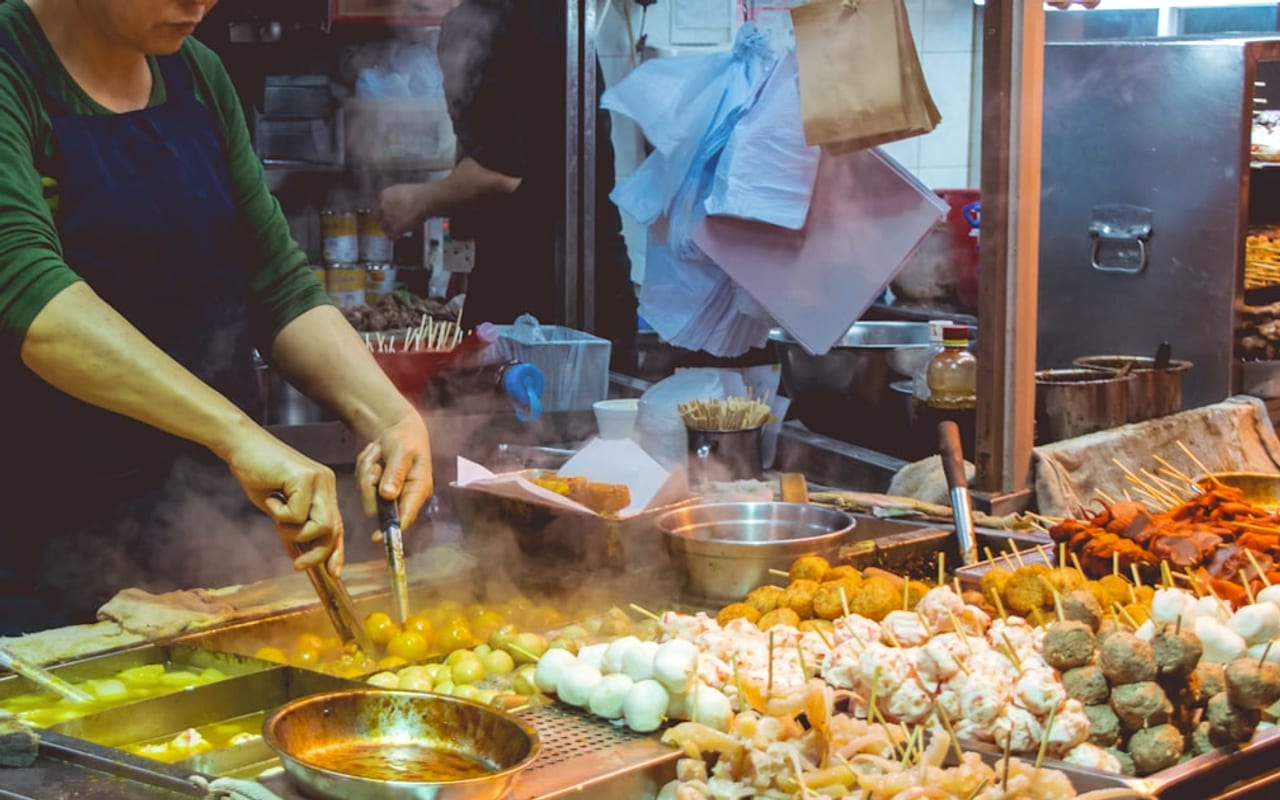
Malacca (Melaka) is one of those rare Malaysian towns where the food is the reason to come, not a bonus on top of the sightseeing. The old town is compact, walkable, and packed shoulder-to-shoulder with stalls, kopitiams and heritage shophouse restaurants — most of it within a short stroll of Jonker Street (Jalan Hang Jebat). Three centuries of trade left behind a Peranakan kitchen you won’t find done this well anywhere else, plus a handful of dishes the city basically invented. Here’s how I’d eat my way through it, with rough 2026 prices.
For the wider picture of the city, see our Malacca explore guide. This one is purely about the food.
Start with the big three
If you only have one day, these are non-negotiable.
- Chicken rice balls — Malacca’s signature. Poached or roasted chicken served with rice rolled into little ping-pong-sized balls, cooked in chicken stock with ginger and pandan. A plate of balls runs roughly RM0.40–0.60 each, and a meal for two with half a chicken lands around RM25–35. The famous names sit on Jonker itself.
- Satay celup — a communal hotpot of bubbling peanut-satay sauce in the middle of the table. You dip raw skewers (prawns, fishballs, tofu, quail eggs, cockles, vegetables) straight into the pot to cook. Sticks run about RM1–1.60 each as of 2026, and you pay by the stick.
- Nyonya laksa — thick rice noodles in a rich, coconut-and-rempah broth, topped with prawns, tofu puffs and bean sprouts. A bowl is around RM8–15.
Where the street food lives
Jonker Street and Jalan Hang Jebat
This is ground zero. The street is lined with chicken rice ball shops, cendol stalls and kopitiams during the day, then transforms into a full night market Friday through Sunday from about 6pm. During the day you can sit down for a proper meal; at night it becomes a grazing affair — coconut ice cream in the shell, grilled skewers, popiah, fishballs on a stick.
The side lanes — Jalan Tokong and Jalan Tukang Emas
Branch off Jonker onto the parallel “Harmony Street” lanes and the crowds thin out fast. This is where you find quieter kopitiams, traditional biscuit makers, and Nyonya dessert shops without elbowing through the tourist crush. Worth doing for the calmer pace alone.
Across the river — Jalan Bunga Raya and the old town core
A short walk over the Malacca River takes you to the older Chinese commercial streets, where the food leans more everyday-local: wonton noodles, satay, Hainanese coffee. Prices here drop a notch and the crowd is more local than tourist.
The dishes to hunt down
Beyond the big three, keep an eye out for:
- Popiah — fresh spring rolls stuffed with turnip, egg, bean sprouts and a sweet sauce. A Nyonya staple, usually RM3–6 a roll.
- Pai tee (top hats) — crispy little pastry cups filled with shredded vegetables and prawns. Around RM8–12 for a plate.
- Asam pedas — a sour-spicy fish stew that’s a Malacca obsession. Look for it at no-frills local shops, roughly RM10–18 for fish and rice.
- Coconut shake — Klebang, a 15-minute drive out, is famous for thick coconut shakes topped with coconut ice cream, about RM5–7. A genuine local pilgrimage on a hot day.
- Putu piring — steamed rice-flour cakes filled with melting gula Melaka (palm sugar). Often sold in the evenings near Jalan Bunga Raya, a few ringgit a piece.
How to actually do it
A few honest tips after many trips:
- Go hungry, go early, and pace yourself. The portions are small enough to mean you can hit four or five things in a day if you don’t fill up on the first plate of rice balls.
- Weekends are peak chaos. The night market only runs Friday to Sunday, so weekends are the full Malacca experience — but also the longest queues. If you hate crowds, eat the sit-down stuff on a weekday and skip the night market.
- Cash still matters at stalls. The sit-down restaurants take DuitNow QR and cards, but small night-market vendors are cash-first. Carry some small notes.
- Satay celup is mostly not halal — pork-based skewers share the same communal pot. Muslim travellers should look for halal-certified satay celup specifically, or stick to satay celup’s non-pork cousins elsewhere.
- Some famous shops close early or shut on odd weekdays. The big chicken rice ball names often sell out by mid-afternoon and several close one day a week. Check before you make a special trip.
What it costs to eat well here
Malacca is cheap, even by Malaysian standards. A solid hawker meal runs RM8–15, a sit-down Nyonya or chicken rice ball lunch for two lands around RM30–50, and you can genuinely eat extremely well all day on RM40–60 a head including dessert and drinks. For how that fits into a wider trip, our Malaysia travel budget guide breaks down day-rates across the country.
The plan I’d give a first-timer
- Morning — chicken rice balls on Jonker before the lunch crowd hits.
- Afternoon — a bowl of Nyonya laksa or pai tee, then cendol to cool down.
- Late afternoon — drive out to Klebang for a coconut shake.
- Evening — satay celup for dinner, then graze the Jonker night market if it’s a weekend.
Do that and you’ll have eaten the city properly. Malacca rewards the greedy — bring an appetite and a loose plan, and let the lanes pull you along.
About the author
Chris Tan lives and works in Johor Bahru, Malaysia, helping people relocate to and buy property in the Iskandar region. Questions about your move? Get in touch.
Keep reading
 Travel & Explore
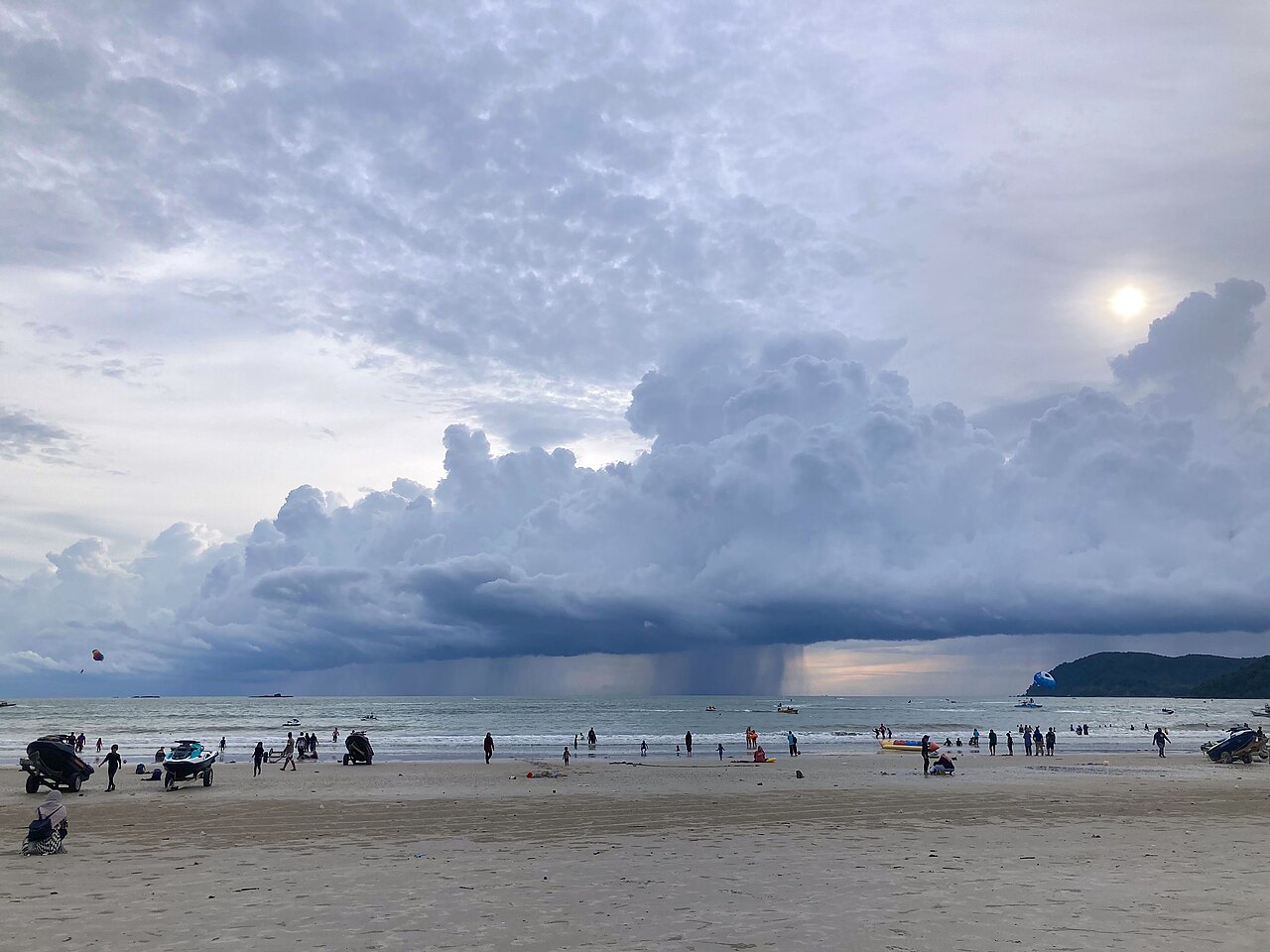
 Best Time to Visit Malaysia: Weather, Seasons & Crowds
When to visit Malaysia depends on where you go. A region-by-region guide to monsoons, haze, heat, school holidays and 2026 festival dates from someone who lives here.
2 Mar 2026
 Travel & Explore
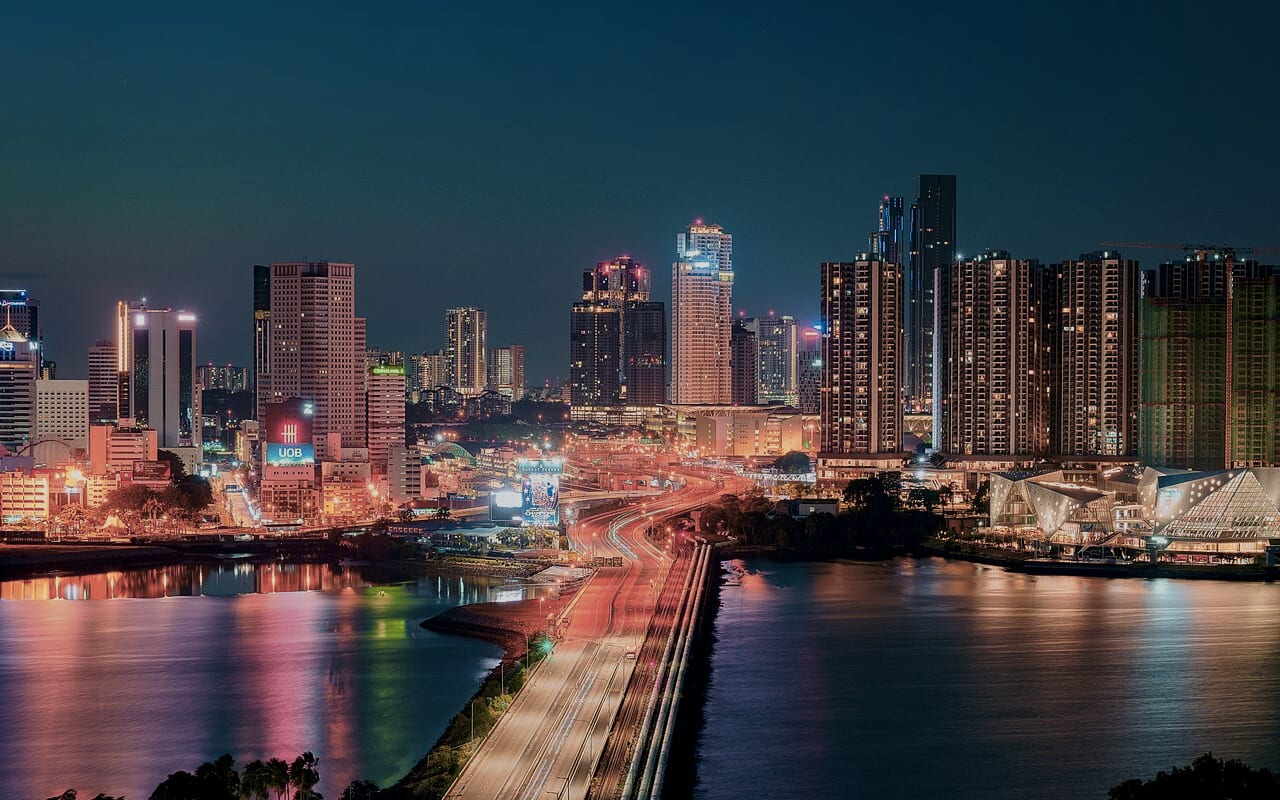
 Crossing the JB–Singapore Border: A Complete Guide
How to cross the Johor Bahru–Singapore border in 2026 — Causeway vs Second Link, VEP and road charges, QR/autogate clearance, peak times, and car vs bus vs motorcycle.
8 Mar 2026
 Travel & Explore
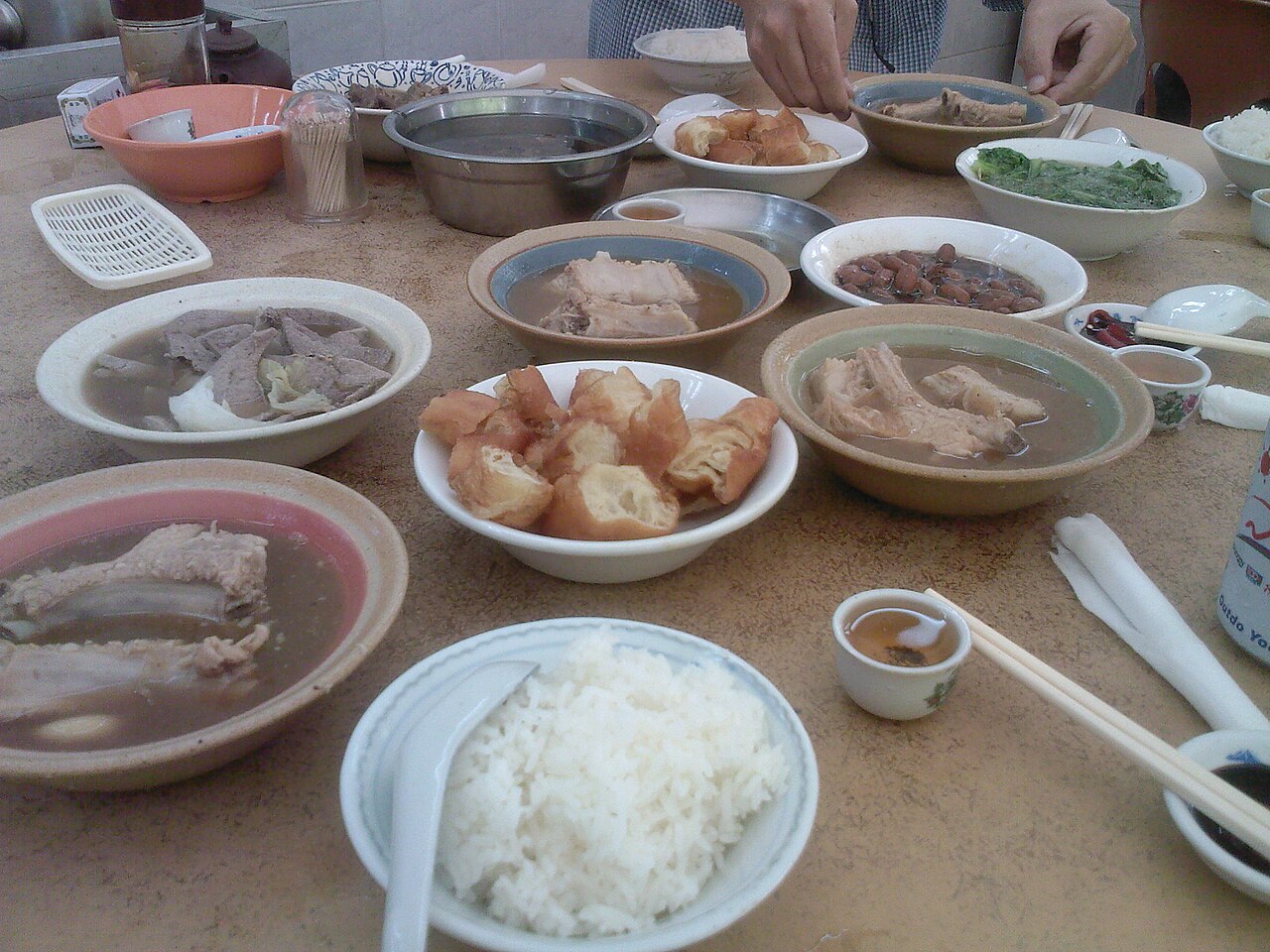
 Bak Kut Teh in Johor Bahru: Where to Go
A local guide to bak kut teh in Johor Bahru — Shoon Huat, Hwa Mei, Kota Tinggi style, the difference between herbal and peppery broth, and rough 2026 prices.
6 Mar 2026
 Travel & Explore
 Beaches Near Johor Bahru
A local's guide to beaches near Johor Bahru — Desaru Coast, Tanjung Balau, Tanjung Piai and more, with drive times, rough 2026 costs and honest expectations.
11 Mar 2026
 Moving to Malaysia
 Best Areas to Live in Johor Bahru: A Neighbourhood Guide
Where to live in Johor Bahru — JB city, Bukit Indah, Iskandar Puteri, Mount Austin and more, compared by lifestyle, commute to Singapore, and who each suits.
7 Feb 2026
 Property & MM2H
 Buying Property in Iskandar Malaysia: A Foreigner's Guide (2026)
Can foreigners buy property in Johor? Yes — here's how it actually works in Iskandar Malaysia: rules, process, financing, fees, and the mistakes to avoid.
10 Feb 2026