Malaysia to Expand Exit Autogates to All Foreigners From December
Malaysia's Home Ministry says autogates will gradually expand to all foreigners leaving from December 2026. No checkpoint schedule has been published.
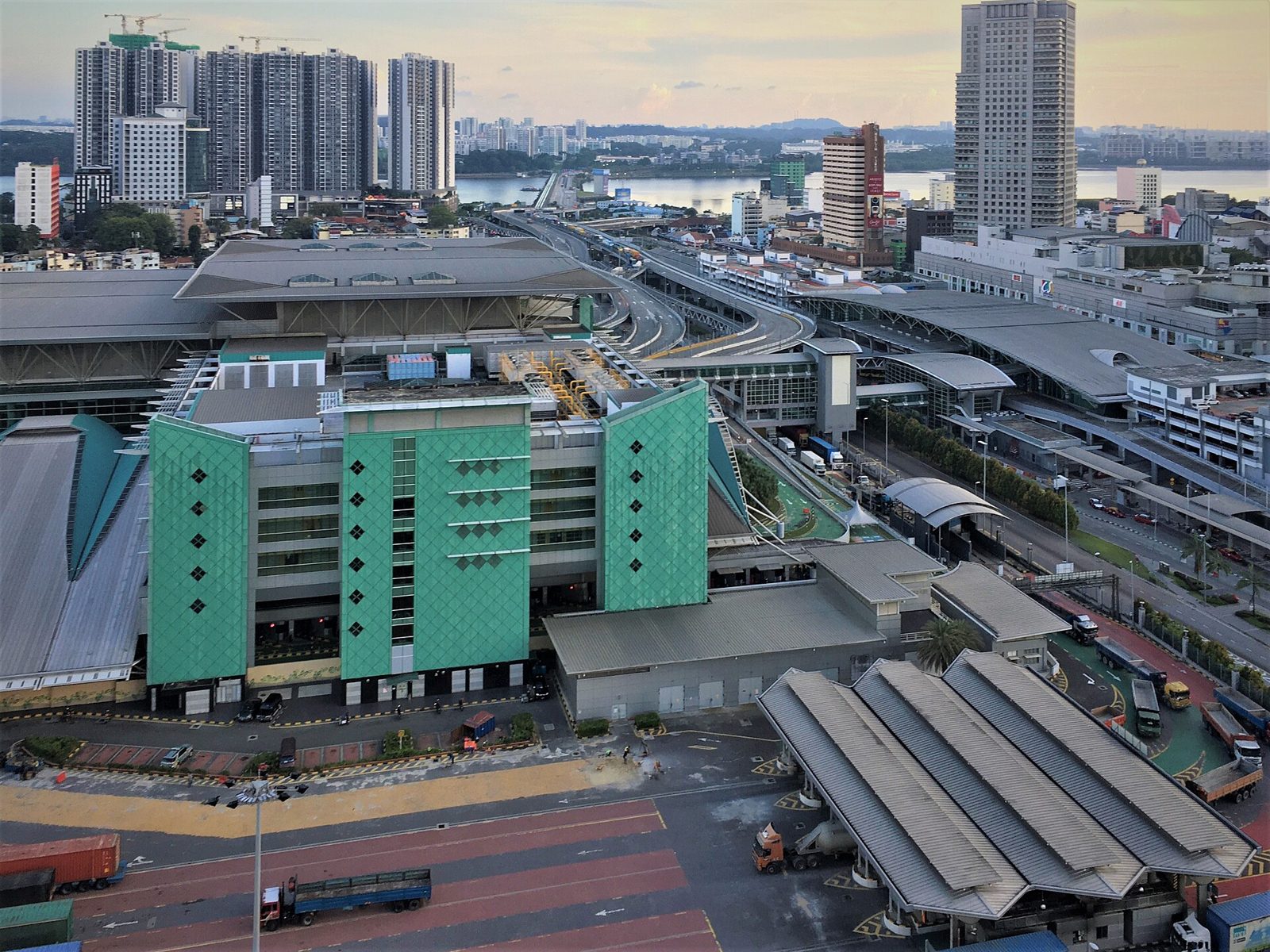
If you’re a foreigner leaving Malaysia, your exit may soon run through an autogate rather than an officer’s counter. The Home Ministry has named December 2026 as the start, but it hasn’t said which checkpoints come first.
What changed
In a written parliamentary reply reported on 17 October 2026, the Home Ministry said it will expand autogates to foreign travellers leaving Malaysia, starting in December 2026. The Star says the expansion will be progressive. The Sun says it will be gradual and will cover all foreigners leaving the country, with each departure recorded and verified electronically through biometric checks.
The ministry’s stated aim is to reduce reliance on manual counters and curb corruption, abuse of power, “counter setting”, “flying passports” and manipulation of travellers’ movement records (The Sun).
Reports differ on the pace. Utusan Malaysia, on a written Dewan Rakyat reply reported on 22 October, describes full use of e-Gates for foreigners’ exit from December 2026. None of these reports gives a start day in December or a list of checkpoints, and we found no Immigration Department notice on it.
The ministry also said its Foreign Digital Identification (FDID) system would be introduced from 1 November 2026, beginning with long-term pass holders. FDID assigns each foreigner a unique digital identity by matching fingerprint, facial and iris data with travel documents, visas, passes and movement records (The Sun). These reports came out before that date, and we found no later confirmation that the rollout has begun.
Who it affects
- Foreigners leaving Malaysia. The reports don’t name Johor or Singaporeans. On the wording “all foreigners”, though, it would cover Singaporeans leaving through Bangunan Sultan Iskandar (BSI) and Sultan Abu Bakar Complex (KSAB) once the rollout reaches them.
- Long-term pass holders. They are the first FDID group. The reports don’t list which passes count, and they give no enrolment steps or fees.
- Anyone with an overstay, arrest warrant or blacklisting. In October 2025 the ministry said the autogate would immediately halt that person’s exit and refer them to the Immigration Department.
What you should do
- Check your pass and permitted stay before you travel. Under the ministry’s description, a problem would halt your exit at the gate and send you to the Immigration Department.
- If you cross by land often, watch for checkpoint instructions in December. Nothing published yet says whether exit autogates will need the MyNIISe app. Our JB–Singapore border guide covers the current clearance process.
- If you hold a long-term pass, wait for official instructions on FDID. No procedure has been reported. Ask the Immigration Department, your employer, or your agent if you’re on a programme such as MM2H.
Background
This plan isn’t new, but it now has a month attached. In October 2025 the ministry said autogates would be fully used for all visitors exiting the country. At that point, visitors from 63 countries and long-term pass holders could use autogates (The Star).
In December 2025 the ministry said it would add 40 eGates and 145 QR code scanners at BSI and KSAB by 31 December that year, which it expected to double processing capacity at both. AsiaOne reported that the MyNIISe app can be used at those land checkpoints by Malaysians and by travellers from 63 countries and territories, including Singapore.
An Automated Biometric Identification System, checking travellers against immigration databases and watchlists in real time, is due in the third quarter of 2027. The National Integrated Immigration System (NIISe) is expected to be fully completed in 2028 (The Sun).
Sources
- The Star: Malaysia to enhance biometric border checks (17 October 2026)
- The Sun: Malaysia tightens border security with new biometric screening system (no publish date shown on page)
- Utusan Malaysia: 24,631 warga asing ditolak masuk Malaysia, 707 ditahan (22 October 2026)
- The Star: Streamlined Foreign Digital Identity for foreign visitors to be introduced, says Home Ministry (7 October 2025)
- AsiaOne: Malaysia to upgrade Johor-Singapore checkpoints to ease peak-hour travel (15 December 2025)
About the author
Chris Tan lives and works in Johor Bahru, Malaysia, helping people relocate to and buy property in the Iskandar region. Questions about your move? Get in touch.
Keep reading
Moving to Malaysia 19 Oct 2026
Budget 2027: DE Rantau +2 Years, EP Spouses May Work From 2027
Budget 2027 gives DE Rantau nomads at the 2-year limit two more years, and lets Dependant Pass spouses of Category I EP holders work from 1 Jan 2027.
Living Essentials 23 Oct 2026
RTS Link Opening Moves to February 2027; Fares Due by Year-End
The JB–Singapore RTS Link now targets February 2027, subject to safety certification. Loke says fares will be announced by end-2026.
Living Essentials 20 Oct 2026
Singapore: No VEP for Foreign Cars With Unpaid Fines From 2 Nov
From 2 November 2026, foreign-registered vehicles with unpaid Singapore traffic, parking or emissions fines can't apply for or renew a VEP.
Living Essentials 27 Oct 2026
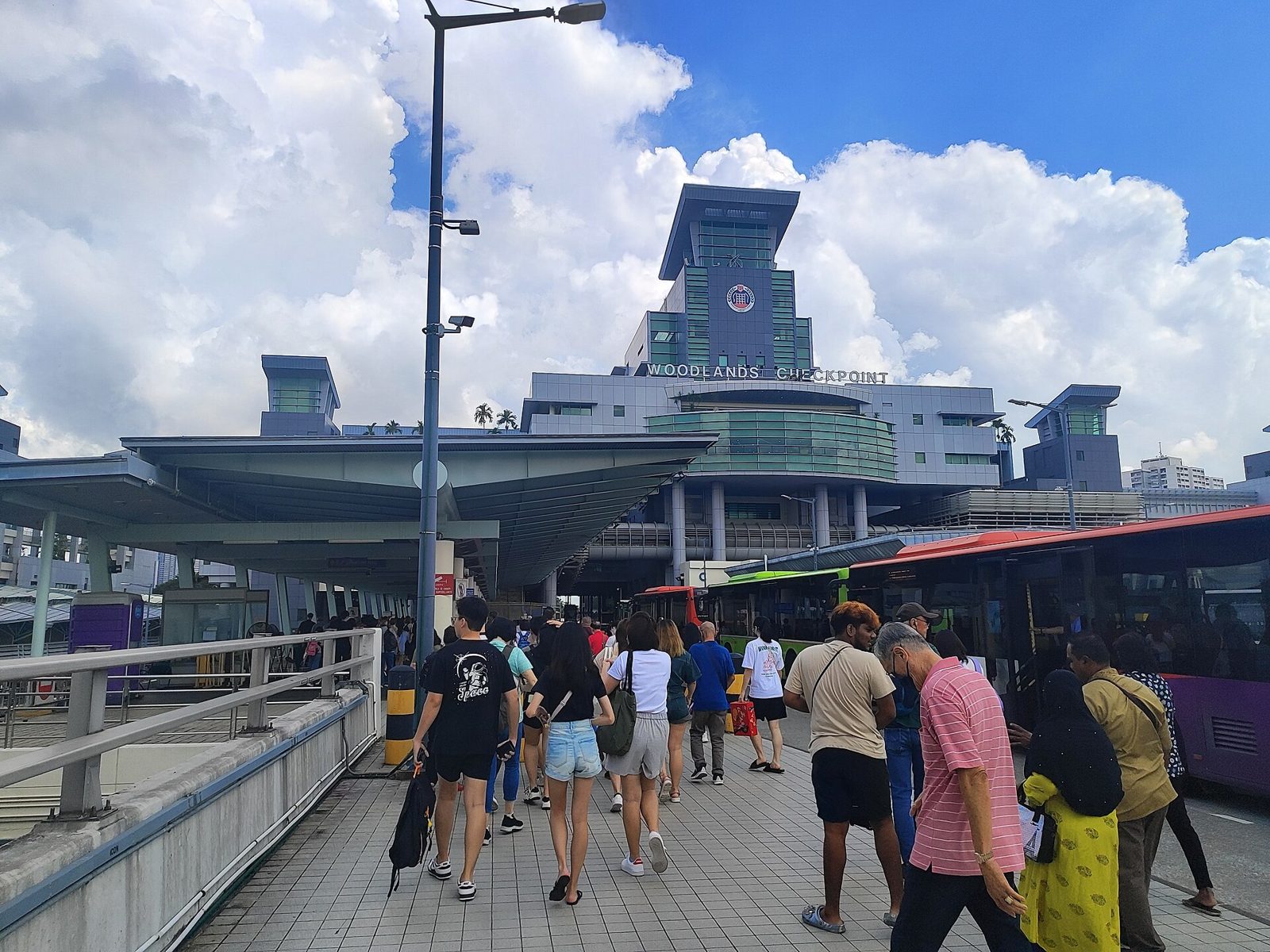
Woodlands: Motorcyclists Can Use Car Lanes for Auto Clearance
From 15 October 2026, selected Woodlands departure car lanes clear motorcyclists and pillion riders by facial recognition, with no officer needed.

Moving to Malaysia 7 Feb 2026
Best Areas to Live in Johor Bahru: 6 Neighbourhoods Compared
Best residential areas in JB compared: Iskandar Puteri, Bukit Indah, Danga Bay, Mount Austin, Setia, city centre. Mid-2026 rents and Singapore commute fit.
Property & MM2H 10 Feb 2026
Buying Property in Iskandar Malaysia: A Foreigner's Guide (2026)
Can foreigners buy property in Johor? Yes — here's how it actually works in Iskandar Malaysia: rules, process, financing, fees, and the mistakes to avoid.