Penang Assam Laksa: Where to Find the Best
A local guide to the best Penang assam laksa — Air Itam Market, Penang Road, Joo Hooi and more, with what makes a great bowl, honest tips and rough 2026 prices.
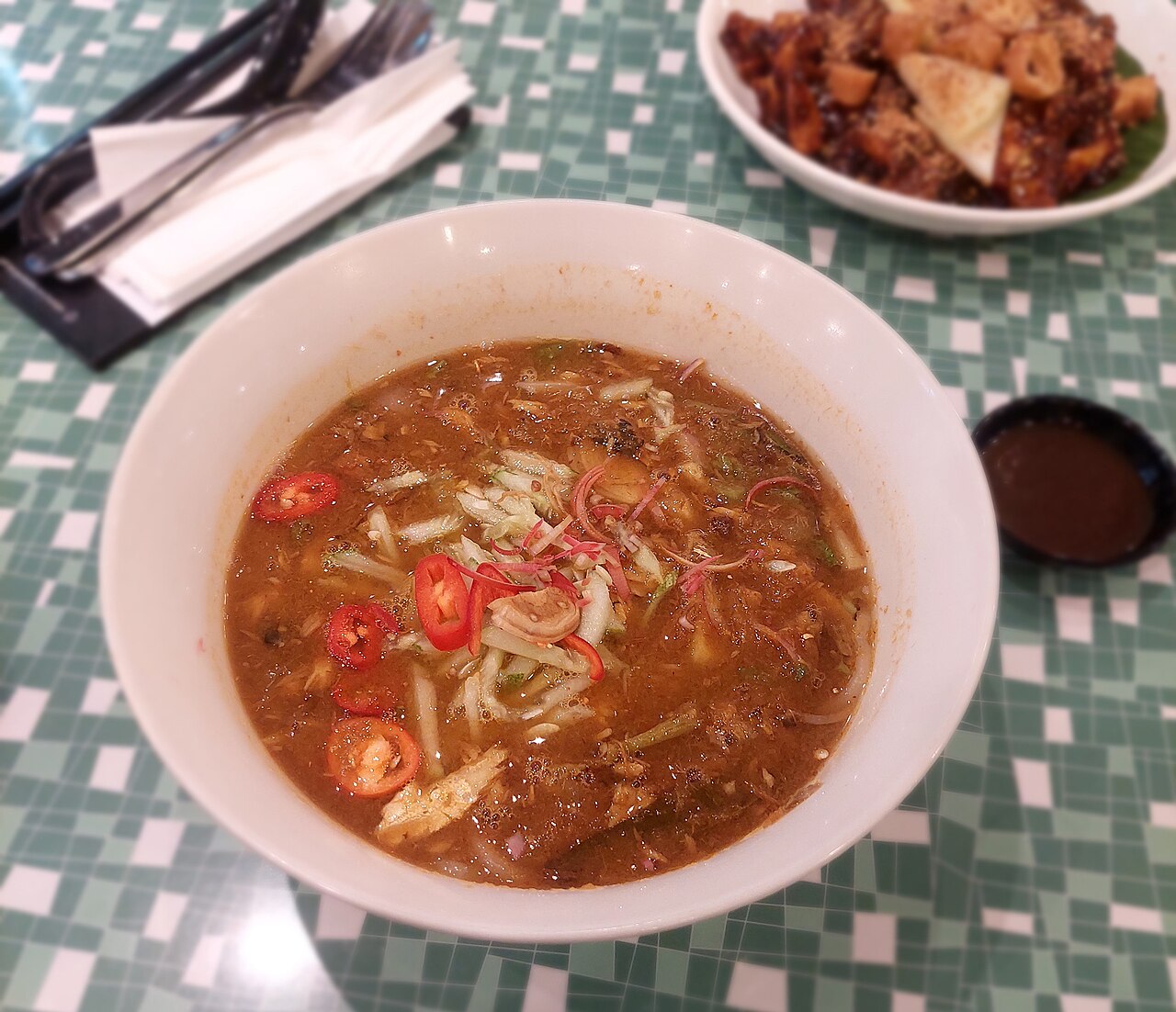
Assam laksa is the dish that separates Penang tourists from Penang converts. It’s sour. It’s fishy. It hits you with tamarind, then mackerel, then a slap of shrimp paste at the end. The first spoonful confuses a lot of people. The fifth has them hooked for life. This is the most Penang of all Penang dishes, and getting it right takes practice. Here’s where to find the bowls worth queuing for, and what you’re tasting as of 2026.
For the bigger picture, see our Penang street food guide and the Penang explore guide.
What is assam laksa, really
Forget the coconut-curry laksa you might know from KL or Singapore — that’s a completely different dish. Penang assam laksa has no coconut milk at all. The base is a tamarind-soured fish broth, simmered with shredded mackerel until it goes thick and savoury. Into it go fat rice noodles, then a pile of fresh garnish: shredded cucumber, raw onion, pineapple, mint, chilli, torch ginger flower and sometimes a sliver of bunga kantan. The killer move is a spoonful of hae ko — a thick, dark, sweet-funky prawn paste swirled in at the table. That hae ko is what makes or breaks the bowl.
What makes a great bowl
- The sourness has to be balanced. Too sour and it’s just sharp. A good bowl rounds the tamarind out with the fishy depth of the mackerel.
- Fresh fish, lots of it. The mackerel should be flaked through generously, not a sad pinch.
- Generous hae ko. The best stalls don’t skimp on the prawn paste. If they give you extra on the side, you’re somewhere good.
- Crunch and fragrance. Fresh cucumber, onion, pineapple and torch ginger give it brightness and crunch against the heavy broth.
- Thick noodles, not mushy. The fat rice noodles should have bite.
Where to find the best
Air Itam Market (Pasar Air Itam)
The standard recommendation, and deservedly so. This stall has been at it since the 1950s, sitting at Jalan Pasar right next to the Air Itam market, at the foot of Kek Lok Si temple. It’s everything assam laksa should be — generous fish, balanced sourness, a heavy hand with the hae ko. Pair it with the temple visit and make a morning of it. A bowl runs roughly RM6 to RM8 as of 2026. It keeps limited hours, so go earlier rather than later.
Air Itam Asam Laksa
- 📍 Address
- 1 Jalan Pasar, Air Itam, Penang (beside Air Itam Market)
Limited hours and sometimes weekends only — check live hours on Maps before going.
Open in Google Maps (photos & live hours) →Penang Road area
The most famous tourist-facing assam laksa sits around Lebuh Keng Kwee off Penang Road, near the legendary cendol stall. It’s busy and built for crowds, but the bowl is solid and the location is convenient if you’re walking George Town. Around RM6 to RM9. The classic combo here is a bowl of laksa followed by a cendol two steps away.
Joo Hooi Cafe
A George Town institution on Penang Road, where the assam laksa comes with an extra-generous helping of hae ko. The cafe runs a few hawker classics under one roof — assam laksa, char koay kak, chee cheong fun and cendol — from late morning to about 5:30pm. Great for a one-stop sit-down if you want laksa plus a few other Penang staples in a single sweaty, happy session.
Joo Hooi Cafe
- 🕐 Hours
- Daily ~9:30am–5pm
- 📍 Address
- 475 Jalan Penang, George Town, Penang
Gurney Drive
If you’re already at the Gurney Drive hawker centre for the variety, the assam laksa there is a perfectly good introduction and saves you a special trip. Around RM6 to RM9. Not the absolute best on the island, but no regrets.
How to eat it like a local
- Stir before you judge. That spoon of hae ko sits on top. Swirl it through before the first taste, or your first bite will be all paste and your last all sour.
- Ask for extra hae ko if you love the funk. Most stalls will oblige.
- More chilli if you can take it. A bit of heat lifts the whole bowl.
- Don’t fight the sourness — ride it. It’s supposed to make your cheeks pucker. That’s the point.
- Go early. The best stalls run out, and assam laksa is often a daytime thing rather than late night.
What it costs, roughly
As of 2026, a bowl of Penang assam laksa runs RM6 to RM10, depending on the stall and portion. Add a cendol or a cold drink and you’re still under RM15 for one of the most distinctive bowls of food in Southeast Asia.
If you’re planning a food-led trip around dishes like this, our Malaysia travel budget guide covers what a week of eating well actually costs.
The honest take
Assam laksa is not for everyone on the first try, and that’s fine. If sour-fishy isn’t your thing, you’ll know fast. But give it a real chance — stir in the hae ko, get a balanced bowl from Air Itam or Joo Hooi, and let the second half of the bowl do the convincing. More people fall for it than don’t.
It’s the bowl that tastes like Penang itself: loud, layered, a little funky, and completely unforgettable once it clicks.
About the author
Chris Tan lives and works in Johor Bahru, Malaysia, helping people relocate to and buy property in the Iskandar region. Questions about your move? Get in touch.
Keep reading
 Travel & Explore
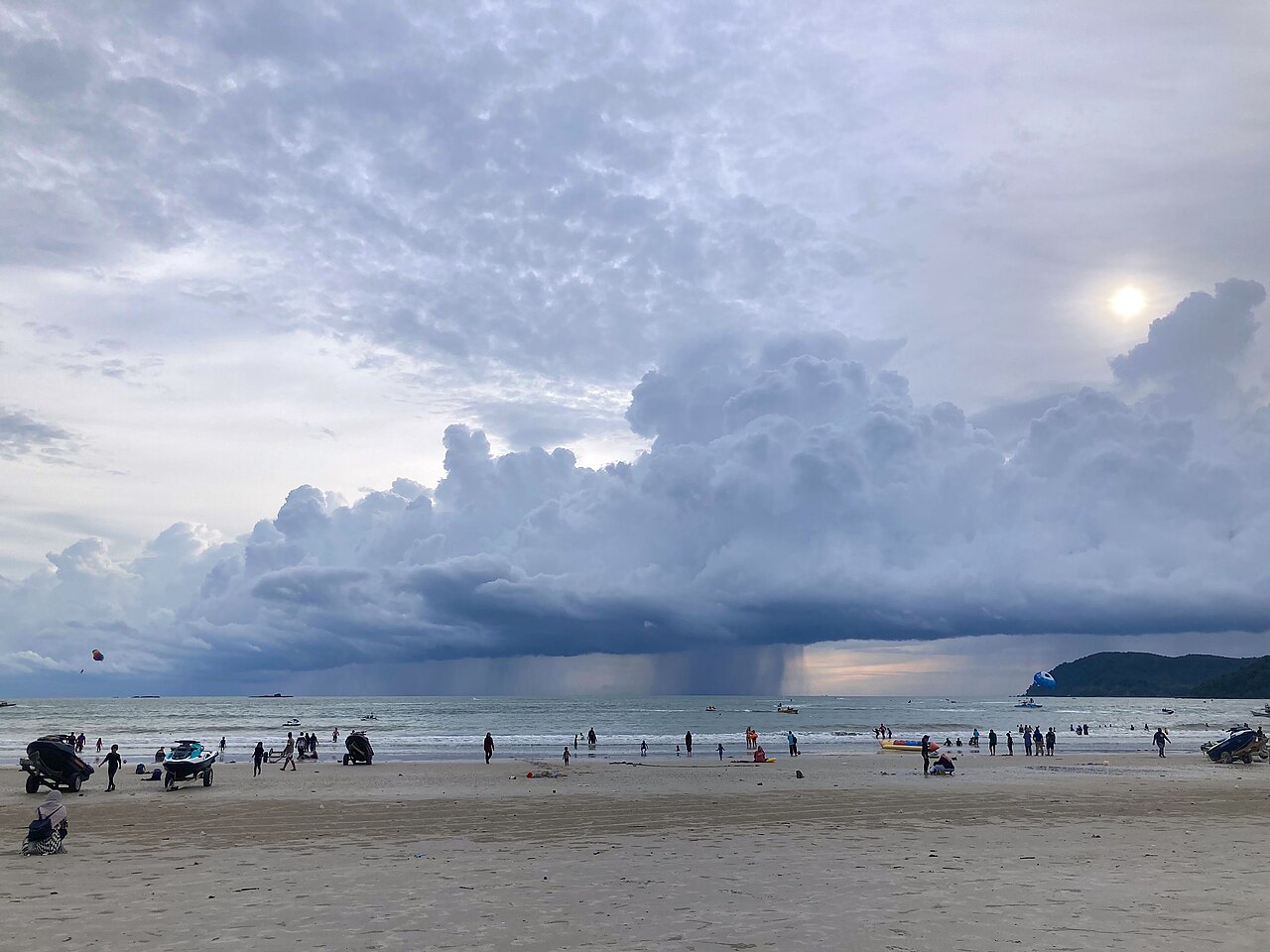
 Best Time to Visit Malaysia: Weather, Seasons & Crowds
When to visit Malaysia depends on where you go. A region-by-region guide to monsoons, haze, heat, school holidays and 2026 festival dates from someone who lives here.
2 Mar 2026
 Travel & Explore
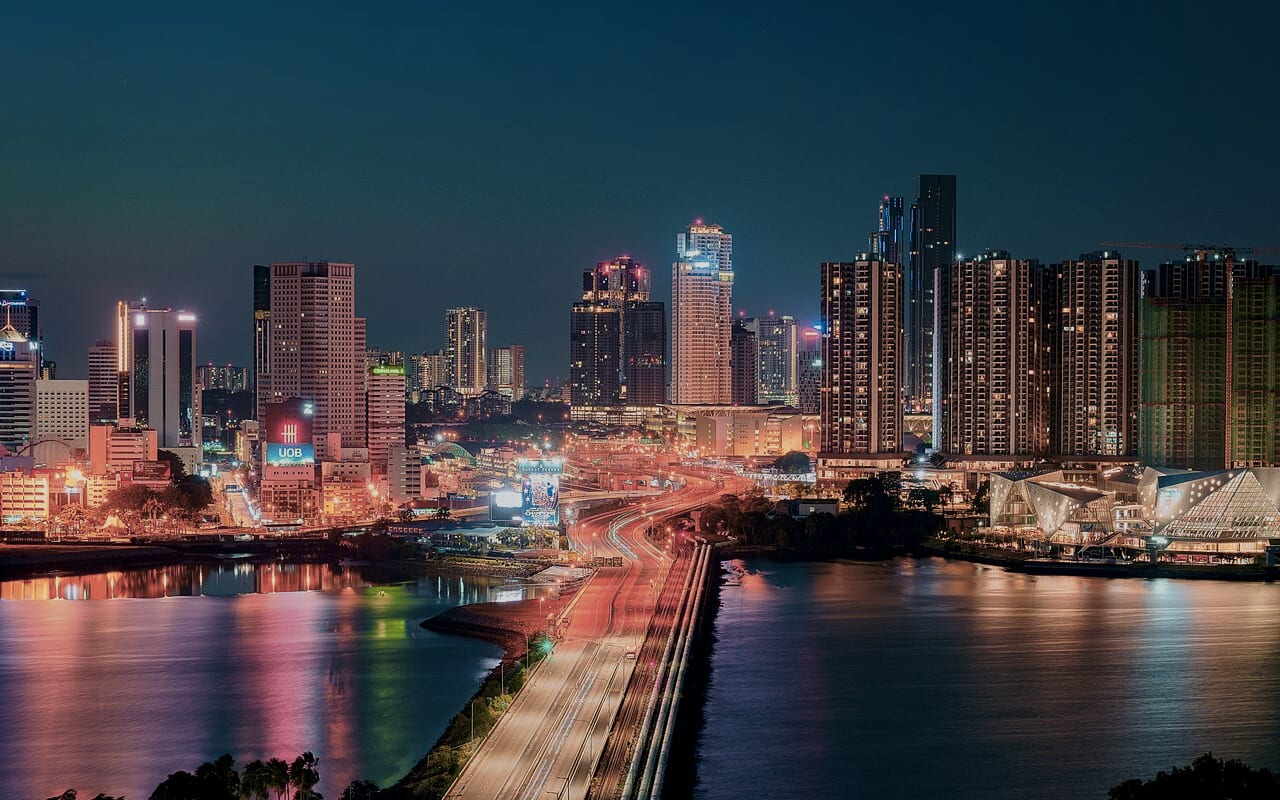
 Crossing the JB–Singapore Border: A Complete Guide
How to cross the Johor Bahru–Singapore border in 2026 — Causeway vs Second Link, VEP and road charges, QR/autogate clearance, peak times, and car vs bus vs motorcycle.
8 Mar 2026
 Travel & Explore
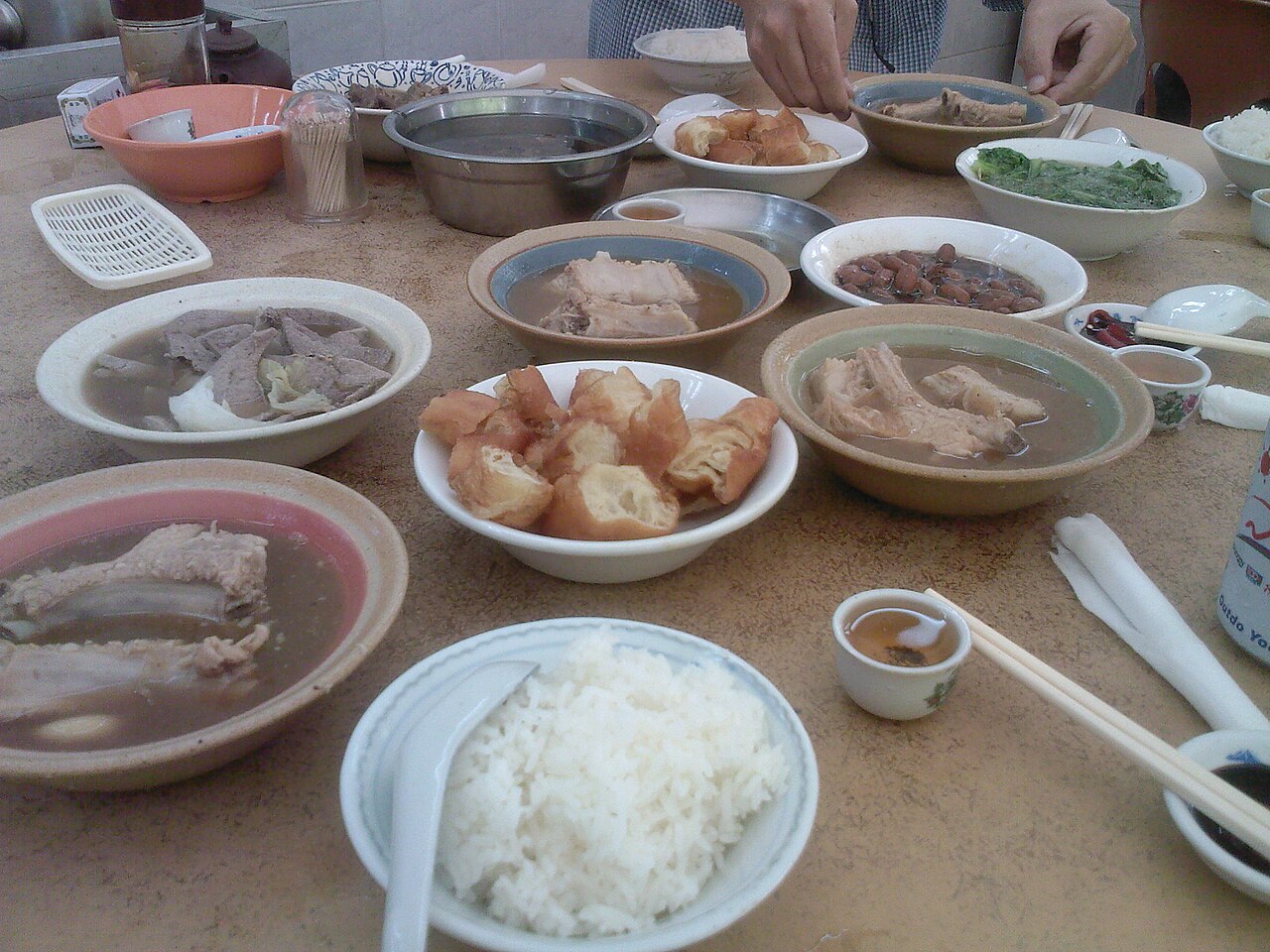
 Bak Kut Teh in Johor Bahru: Where to Go
A local guide to bak kut teh in Johor Bahru — Shoon Huat, Hwa Mei, Kota Tinggi style, the difference between herbal and peppery broth, and rough 2026 prices.
6 Mar 2026
 Travel & Explore
 Beaches Near Johor Bahru
A local's guide to beaches near Johor Bahru — Desaru Coast, Tanjung Balau, Tanjung Piai and more, with drive times, rough 2026 costs and honest expectations.
11 Mar 2026
 Moving to Malaysia
 Best Areas to Live in Johor Bahru: A Neighbourhood Guide
Where to live in Johor Bahru — JB city, Bukit Indah, Iskandar Puteri, Mount Austin and more, compared by lifestyle, commute to Singapore, and who each suits.
7 Feb 2026
 Property & MM2H
 Buying Property in Iskandar Malaysia: A Foreigner's Guide (2026)
Can foreigners buy property in Johor? Yes — here's how it actually works in Iskandar Malaysia: rules, process, financing, fees, and the mistakes to avoid.
10 Feb 2026