Penang for Expats & Long-Stay Visitors
A 2026 guide to living in Penang as an expat or retiree — best areas, cost of living, MM2H popularity, healthcare and lifestyle, with honest pros and cons and rough prices.
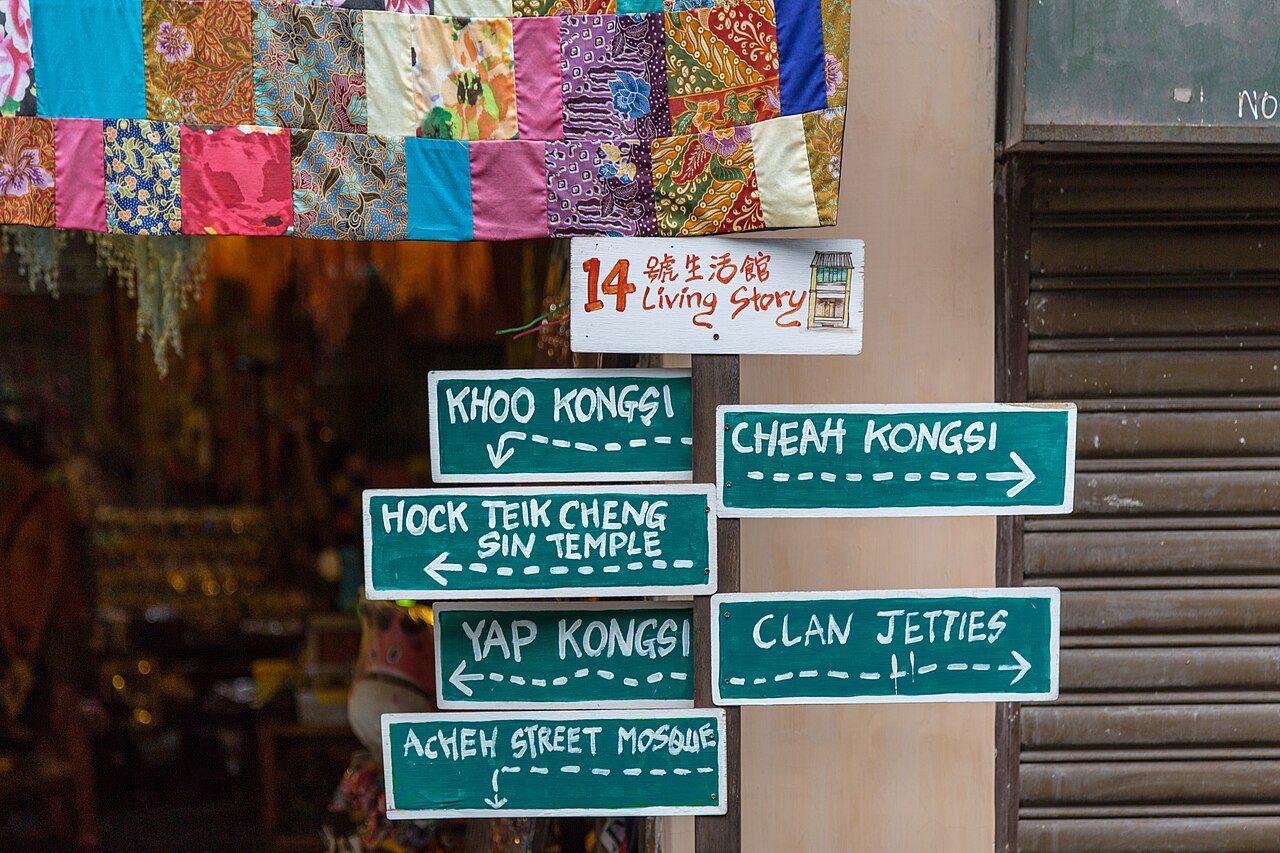
Penang has quietly become one of Southeast Asia’s favourite expat and retiree bases, and it earns the reputation: world-class food at hawker prices, English widely spoken, good private hospitals, a walkable heritage city, and a cost of living a fraction of Western capitals. It’s a softer landing than Kuala Lumpur — smaller, slower, more coastal — while still having the malls, schools and clinics a long-stay foreigner needs. Here’s the honest picture.
Why expats and retirees pick Penang
Penang consistently ranks among the top retirement spots in Asia, and it’s one of the most popular landing zones for MM2H (Malaysia My Second Home) visa holders. The draw is a familiar mix: low costs, no language barrier in daily life, reliable healthcare, a strong international community, and an island that’s compact enough to feel like home quickly.
If you’re seriously considering a long stay, the visa is the first thing to sort. We cover it in detail in the MM2H 2026 guide — it’s worth reading before you commit to anything, since the deposit, property and dependant rules shape where and how you can live.
Where expats live
The expat map clusters along the northeast coast, between George Town and the Gurney seafront, where the lifestyle and amenities concentrate.
- Tanjung Tokong — the most popular expat zone, close to both Gurney and George Town. A mix of Europeans, Americans, Singaporeans, Koreans and Chinese professionals and retirees. The high-end Seri Tanjung Pinang seafront development sits here, with rentals roughly RM3,000 to RM9,000 a month for the nicer units, as of 2026.
- Tanjung Bungah — the family favourite, popular with MM2H holders who want landed homes and more space. Two international schools sit here, Dalat International School and Tenby International School, which anchors a lot of family relocations.
- Pulau Tikus — central, walkable, close to Gurney, with a strong cafe-and-grocery scene. Good for those who want city convenience without George Town’s tourist crush.
- Bayan Lepas and Gelugor (south) — lower rents and prices, handy for the tech industrial zone and the airport. Suits remote workers and tighter budgets.
A normal condo rents for roughly RM1,500 to RM3,000 a month as of 2026; seafront and luxury runs well above that. Buying as a foreigner comes with price floors — on the island, condos must be above RM1,000,000 and landed homes above RM3,000,000, so most newcomers rent first.
What it costs to live
Penang is genuinely cheap by Western standards. Reported figures put the cost of living, including rent, at well below most major Western cities. Rough monthly budgets as of 2026:
- Single retiree, comfortable: around RM4,000 to RM7,500 a month, depending heavily on housing and how often you eat out versus self-cater.
- Couple, comfortable: many report living well for under RM9,000 a month.
The big swing factor is housing. Hawker meals at RM5 to RM12, cheap transport and low utility bills keep day-to-day spending down; rent and international school fees are what move the total.
Healthcare
Penang’s private healthcare is a major draw and a big reason retirees feel safe basing here. Hospitals like Island Hospital, Gleneagles Penang and Pantai Hospital Penang are well regarded, English-speaking, and a fraction of US prices — Penang is also a regional medical-tourism destination. Most long-stay expats carry private health insurance and use the private system; it’s fast and affordable by comparison.
The lifestyle
The food alone keeps people here — Penang is regularly called one of the best street-food cities in the world, and you can eat brilliantly for very little. Beyond that: George Town’s heritage core for culture and cafes, the north-coast beaches for weekends, Penang Hill and the national park for greenery, and a steady calendar of festivals across the island’s Chinese, Malay and Indian communities. The expat community is large and easy to plug into, which softens the move.
Honest cons
- It’s hot and humid year-round. No real cool season — you live in air-con and adjust your hours around the midday heat.
- Traffic and parking on the island are getting worse, especially around Gurney and into George Town. The LRT line under construction (targeted around 2031) will help eventually, but not yet.
- Tourist crowds wash through George Town constantly; the charm comes with the crush.
- It’s an island. Smaller than KL means fewer of the very top-tier jobs, specialists and international flights — though the airport connects well regionally.
- Buying is gated for foreigners by the price floors above; plan to rent unless you’re buying at the high end.
Is it for you?
If you want affordable coastal living, excellent food, solid healthcare and an easy English-speaking landing — and you’re retiring, working remotely, or relocating a family near good international schools — Penang is one of the strongest options in the region. Sort the visa first via the MM2H 2026 guide, budget honestly for housing, and rent in Tanjung Tokong, Tanjung Bungah or Pulau Tikus while you find your feet.
For how everyday costs stack up on a trip, see our Malaysia travel budget guide, and for more on the island, browse things to explore in Penang.
About the author
Chris Tan lives and works in Johor Bahru, Malaysia, helping people relocate to and buy property in the Iskandar region. Questions about your move? Get in touch.
Keep reading
 Travel & Explore
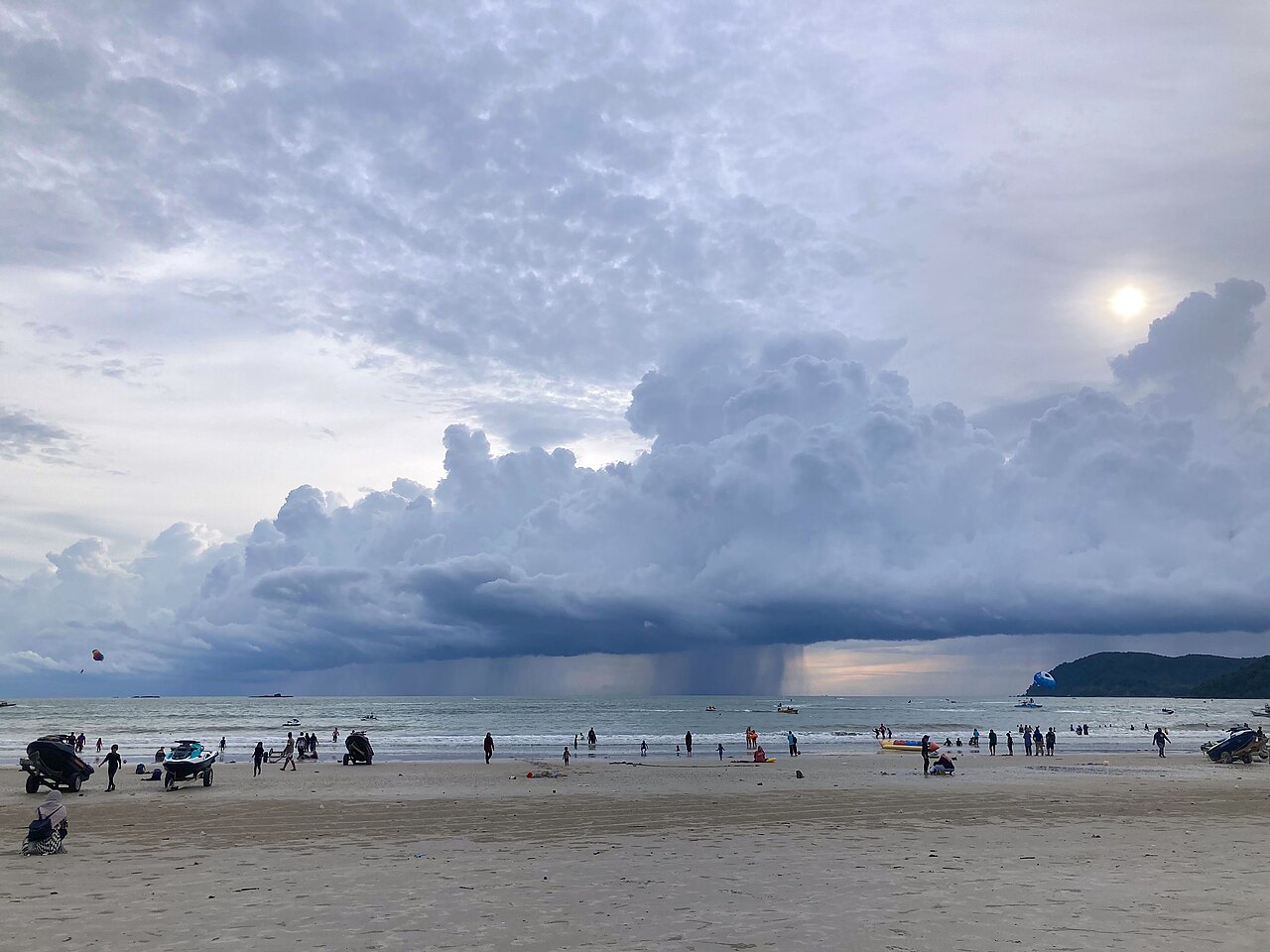
 Best Time to Visit Malaysia: Weather, Seasons & Crowds
When to visit Malaysia depends on where you go. A region-by-region guide to monsoons, haze, heat, school holidays and 2026 festival dates from someone who lives here.
2 Mar 2026
 Travel & Explore
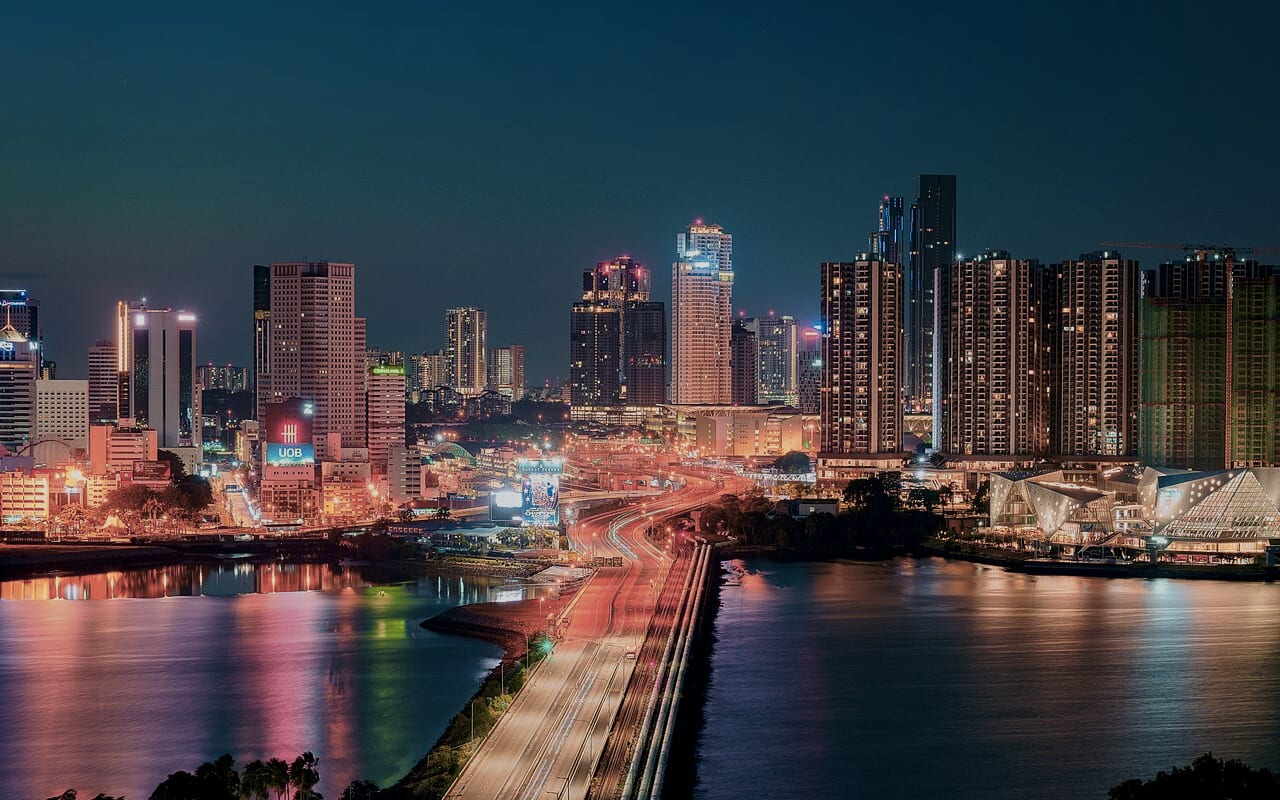
 Crossing the JB–Singapore Border: A Complete Guide
How to cross the Johor Bahru–Singapore border in 2026 — Causeway vs Second Link, VEP and road charges, QR/autogate clearance, peak times, and car vs bus vs motorcycle.
8 Mar 2026
 Travel & Explore
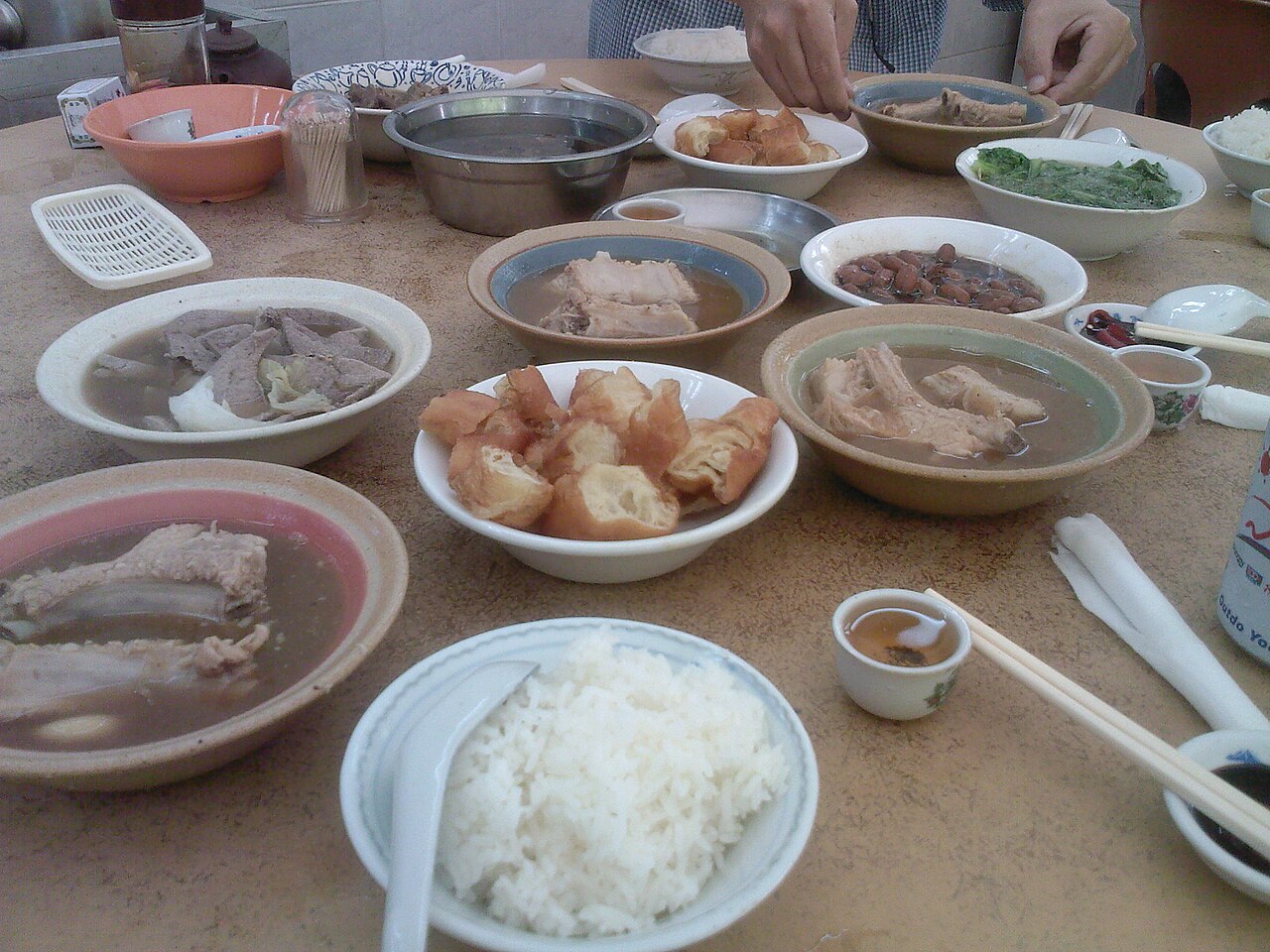
 Bak Kut Teh in Johor Bahru: Where to Go
A local guide to bak kut teh in Johor Bahru — Shoon Huat, Hwa Mei, Kota Tinggi style, the difference between herbal and peppery broth, and rough 2026 prices.
6 Mar 2026
 Travel & Explore
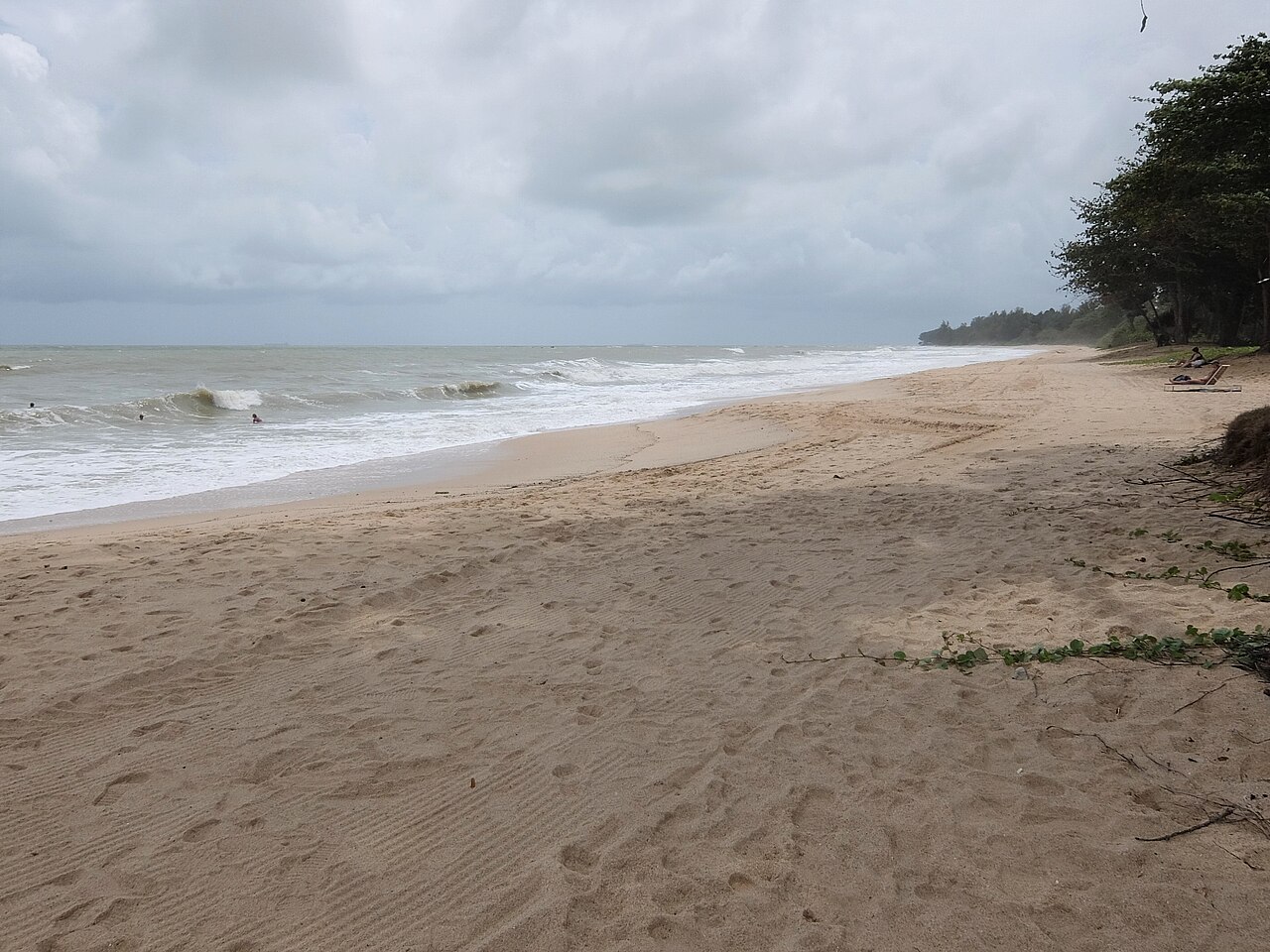
 Beaches Near Johor Bahru
A local's guide to beaches near Johor Bahru — Desaru Coast, Tanjung Balau, Tanjung Piai and more, with drive times, rough 2026 costs and honest expectations.
11 Mar 2026
 Moving to Malaysia
 Best Areas to Live in Johor Bahru: A Neighbourhood Guide
Where to live in Johor Bahru — JB city, Bukit Indah, Iskandar Puteri, Mount Austin and more, compared by lifestyle, commute to Singapore, and who each suits.
7 Feb 2026
 Property & MM2H
 Buying Property in Iskandar Malaysia: A Foreigner's Guide (2026)
Can foreigners buy property in Johor? Yes — here's how it actually works in Iskandar Malaysia: rules, process, financing, fees, and the mistakes to avoid.
10 Feb 2026