George Town: Heritage, Street Art & Clan Houses
Explore George Town, Penang — UNESCO shophouses, Ernest Zacharevic street art, Khoo Kongsi clan house and the Chew Jetty stilt village, with a walkable plan for 2026.
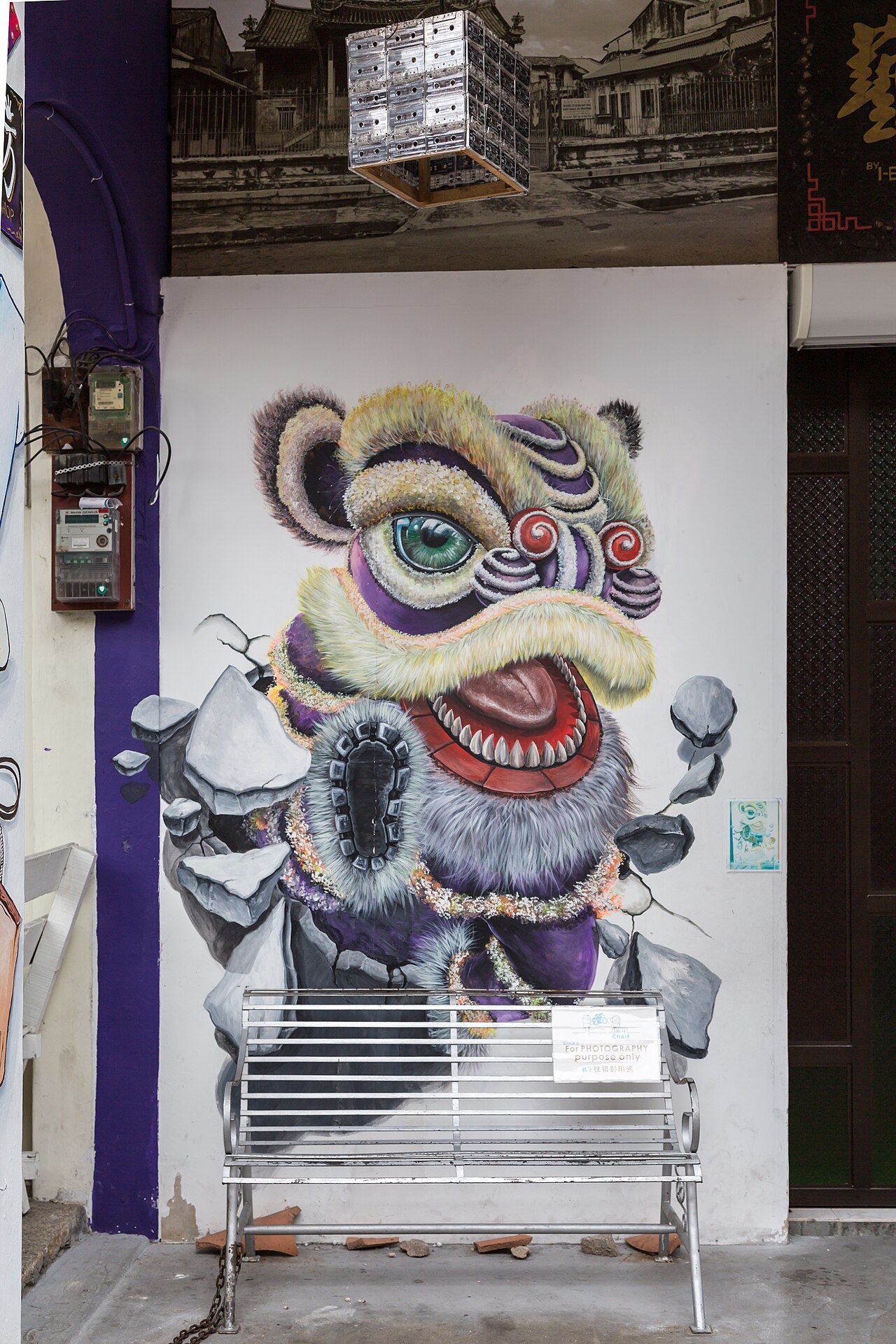
George Town is the kind of place you come to walk and get lost on purpose. The historic core of Penang’s capital was inscribed as a UNESCO World Heritage Site in 2008, and what makes it special isn’t a single monument — it’s the whole living fabric. Chinese clan houses, Indian Muslim mosques, colonial trading houses and Peranakan mansions all packed into a few square kilometres, much of it still lived and worked in.
Here’s how to read the old town so it’s more than a photo backdrop.
Why the heritage matters
Penang was a British free port from 1786, and that pulled in traders from southern China, India, the Malay world, the Middle East and Europe. They built side by side, and the architecture froze that mix in place: rows of two-storey shophouses with covered “five-foot way” walkways, ornate temples, and grand clan association halls.
The UNESCO zone is roughly bounded by the streets around Lebuh Pantai, Lebuh Acheh, Love Lane and the waterfront. You don’t need a ticket to enjoy most of it — the streets themselves are the museum.
The street art trail
George Town’s mural fame started in 2012, when Lithuanian artist Ernest Zacharevic painted a series of “interactive” works for the George Town Festival. They use real objects — a bicycle, a chair, a motorbike — built into the painting so you can pose with them.
The classics worth tracking down:
- “Children on a Bicycle” (also called “Little Children on a Bicycle”) on Armenian Street — the most photographed mural on the island.
- “Boy on a Bike” on Ah Quee Street.
- “Brother and Sister on a Swing.”
- The steel-rod cartoon caricatures dotted around, which add witty captions to the city’s history.
Honest note for 2026: some murals have faded or been touched up, and a few are gone. Treat the hunt as a way to explore the back lanes rather than a checklist, and you won’t be disappointed. Armenian Street and the lanes off it are the densest cluster.
Khoo Kongsi — the great clan house
If you visit one paid heritage site, make it Khoo Kongsi on Cannon Square. A kongsi is a clan association — a kind of mutual-aid society and temple for people sharing a surname. The Khoo clan’s hall is a textbook masterpiece of southern Chinese architecture adapted to Southeast Asia: gilded woodcarvings, ceramic roof figures, stone pillars and painted murals, all crammed with symbolism.
Entry is modest — around RM15 for adults as of 2026 — and the small square it sits on, complete with a traditional theatre stage, is one of the most atmospheric corners of the old town. Allow an hour.
Khoo Kongsi
- 🕐 Hours
- Daily, 9am–5pm
- 📍 Address
- 18 Cannon Square, 10200 George Town, Penang
The clan jetties
Down on the waterfront at Weld Quay are the clan jetties — stilted villages built out over the sea by Chinese immigrant communities in the 1800s, each jetty historically tied to one surname and dialect group. Seven survive.
Chew Jetty is the largest and the one most visitors walk, free of charge. A wooden walkway runs out over the water past homes, small shops and shrines, with a mural called “Folklore by the Sea” partway along. It’s genuinely lovely at golden hour — but people live here, so keep the volume down and don’t photograph into open doorways.
Chew Jetty
- 🕐 Hours
- Daily, around 9am–9pm (people live here)
- 📍 Address
- Pengkalan Weld, 10300 George Town, Penang
Temples, mosques and the Street of Harmony
One short stretch, Lebuh Pitt (Jalan Masjid Kapitan Keling), is nicknamed the Street of Harmony because of what sits along it:
- Goddess of Mercy Temple (Kuan Yin Teng) — the oldest Chinese temple in town, always busy with worshippers.
- Sri Mahamariamman Temple — a vivid South Indian Hindu temple.
- Kapitan Keling Mosque — the main mosque of the Indian Muslim community, with a graceful dome and minaret.
Seeing them within a few minutes’ walk of each other is the whole point of George Town in miniature. Dress modestly if you go inside any of them.
Goddess of Mercy Temple (Kuan Yin Teng)
- 📍 Address
- Jalan Masjid Kapitan Keling, 10200 George Town, Penang
Sri Mahamariamman Temple
- 📍 Address
- Lebuh Queen, 10200 George Town, Penang
Kapitan Keling Mosque
- 📍 Address
- Jalan Masjid Kapitan Keling, 10200 George Town, Penang
A half-day walking plan
A loop that flows well on foot:
- Start at Armenian Street for the murals and souvenir shops.
- Cut to Khoo Kongsi on Cannon Square.
- Walk Lebuh Pitt for the Street of Harmony temples and mosque.
- Head down to Chew Jetty on the waterfront.
- Loop back through Lebuh Pantai’s colonial banks toward Love Lane for a drink.
The whole thing is a few kilometres and very flat. Go early morning or late afternoon — midday sun in George Town is brutal, and the shophouse walkways only shade you so much.
Practical notes
- Getting in: Grab around the old town costs just a few ringgit per hop, but honestly most of the heritage core is best on foot. Trishaws are a touristy but pleasant way to cover ground.
- When to go: Weekday mornings are calmest. Weekends bring local crowds, especially around the murals.
- Budget: Beyond a paid site or two, this is one of the cheapest great days out in Malaysia. Our Malaysia travel budget guide puts it in context, and best time to visit Malaysia helps with dates.
For the wider island — the hill, the temples, the beaches — see the rest of the Penang explore page. But George Town is where you’ll keep coming back to eat, wander and watch the city go about its day.
About the author
Chris Tan lives and works in Johor Bahru, Malaysia, helping people relocate to and buy property in the Iskandar region. Questions about your move? Get in touch.
Keep reading
 Travel & Explore
 Best Time to Visit Malaysia: Weather, Seasons & Crowds
When to visit Malaysia depends on where you go. A region-by-region guide to monsoons, haze, heat, school holidays and 2026 festival dates from someone who lives here.
2 Mar 2026
 Travel & Explore
 Crossing the JB–Singapore Border: A Complete Guide
How to cross the Johor Bahru–Singapore border in 2026 — Causeway vs Second Link, VEP and road charges, QR/autogate clearance, peak times, and car vs bus vs motorcycle.
8 Mar 2026
 Travel & Explore
 Bak Kut Teh in Johor Bahru: Where to Go
A local guide to bak kut teh in Johor Bahru — Shoon Huat, Hwa Mei, Kota Tinggi style, the difference between herbal and peppery broth, and rough 2026 prices.
6 Mar 2026
 Travel & Explore
 Beaches Near Johor Bahru
A local's guide to beaches near Johor Bahru — Desaru Coast, Tanjung Balau, Tanjung Piai and more, with drive times, rough 2026 costs and honest expectations.
11 Mar 2026
 Moving to Malaysia
 Best Areas to Live in Johor Bahru: A Neighbourhood Guide
Where to live in Johor Bahru — JB city, Bukit Indah, Iskandar Puteri, Mount Austin and more, compared by lifestyle, commute to Singapore, and who each suits.
7 Feb 2026
 Property & MM2H
 Buying Property in Iskandar Malaysia: A Foreigner's Guide (2026)
Can foreigners buy property in Johor? Yes — here's how it actually works in Iskandar Malaysia: rules, process, financing, fees, and the mistakes to avoid.
10 Feb 2026