Penang Night Markets & Bazaars
A 2026 guide to Penang's pasar malam night markets — Batu Ferringhi's tourist bazaar, Macallum Street food, plus the local Air Itam and weekend markets, with prices and tips.
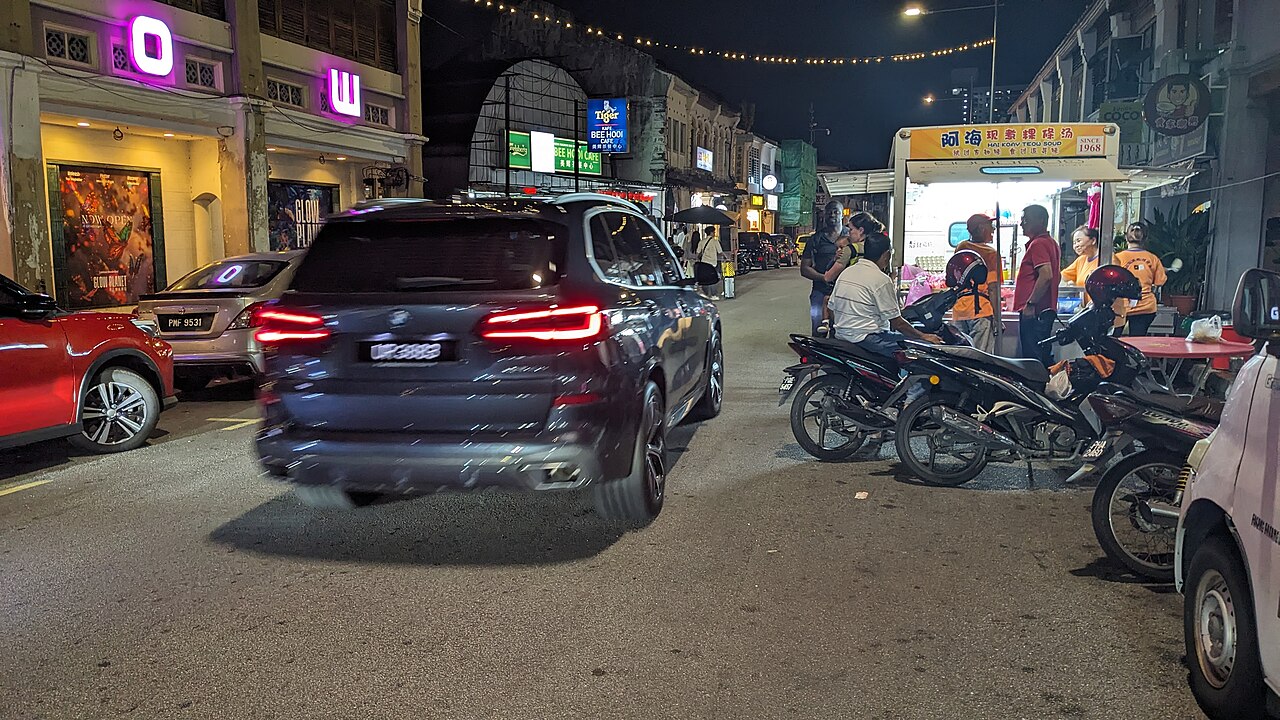
The pasar malam — night market — is woven into how Penang eats and shops. Stalls roll out as the heat fades, the air fills with the sizzle of char kuey teow and the smell of apam balik, and locals queue at the same hawker carts they’ve gone to for years. Some markets are squarely aimed at tourists; the best ones are where Penangites actually do their evening shopping. Here’s how to tell them apart and get the most out of each.
Batu Ferringhi Night Market: the tourist one
If you’re staying on the north beach strip, the Batu Ferringhi Night Market is right outside. It stretches roughly a kilometre along the main road and runs about 7pm to 11pm nightly. This is the flashy, tourist-facing market — heavier on goods than food, with stalls selling clothes, watches, sling bags, fridge magnets, key chains, costume jewellery and the usual holiday souvenirs.
Two things to know: prices start high because vendors expect tourists, and bargaining is expected — open at roughly half the quoted price and meet somewhere in the middle. It’s fun for a souvenir run and an evening stroll, but don’t come here hungry expecting a hawker feast.
Batu Ferringhi Night Market
- 🕐 Hours
- Daily, from about 7pm till late (around 11pm–midnight)
- 📍 Address
- Jalan Batu Ferringhi, 11100 Batu Ferringhi, Penang
Macallum Street Night Market: where locals shop
For something more authentic, Macallum Street in George Town is the one I’d send people to. It’s known for prices noticeably lower than the rest of Penang’s markets, and it has the real pasar malam energy — the sizzle of char kuey teow, apam balik cooking on griddles, piles of mangosteen and durian in season, curry puffs, cookies and hot dishes ready to eat.
It’s more functional than touristy: T-shirts, watches, phone covers, household bits, mats — the stuff residents actually buy. Go for the food and the atmosphere. Operating hours have run roughly from late afternoon into the evening; markets here shift, so check locally on the day.
The local rhythm: a market for each night
Penang’s pasar malam rotate by neighbourhood and day, so there’s almost always one running somewhere. A few worth knowing:
- Air Itam (Ayer Itam) — markets near the Kek Lok Si temple complex cater mostly to locals and are almost invisible to tourists. Strong on local dishes and street food like lok lok and belacan fried rice.
- Sungai Dua — a well-known Saturday-only market, busy and food-heavy.
- Paya Terubong / Farlim — sprawling local markets in the Air Itam area, packed with food stalls and very few tourists.
The pattern is the rotation: each district gets its market on set evenings, and locals plan around it. If you’re staying a while, ask which night your neighbourhood’s pasar malam runs — it’s a better window into daily Penang than any guidebook stop.
A few more worth knowing for variety: Chowrasta-area evening stalls in central George Town for a quick, central bite; and the smaller heritage-core markets that pop up near the tourist streets — convenient if you’re already in town, though pricier and busier than the residential ones. The rule of thumb holds everywhere: the further from the tourist trail, the cheaper the food and the more local the crowd.
What to eat
The food is the whole point at the local markets. Look for:
- Char kuey teow — the smoky stir-fried flat noodles Penang is famous for.
- Apam balik — a thick, crispy-edged peanut-and-sweetcorn pancake folded over.
- Lok lok — skewers you cook yourself in shared broth, paid by the stick.
- Tropical fruit — mangosteen, lychee, longan, and durian when it’s in season (roughly mid-year). Durian here is serious business; locals will tell you exactly which variety to buy.
Most hawker dishes run RM5 to RM12 as of 2026, and a fruit haul costs very little. You can eat very well for under RM25 a head.
Honest tips
- Carry cash in small notes. Many stalls don’t take cards, and some accept QR pay (DuitNow / Touch ‘n Go) but not all. RM1, RM5 and RM10 notes make bargaining and paying smooth.
- Go early for food, late for browsing. The best hawker stalls sell out; the goods stalls stay till closing.
- Bargain at tourist markets, not at food stalls. Haggling is normal for clothes and souvenirs at Batu Ferringhi. Food prices are usually fixed — don’t haggle a hawker.
- Bring an appetite, not a plan. The joy is grazing across several stalls rather than committing to one meal.
- Watch your footing. Markets are crowded, uneven and lit unevenly. Comfortable shoes, and keep bags zipped in the press.
How to choose
If you want souvenirs and a casual evening walk, Batu Ferringhi does the job. If you want to eat like a local for next to nothing, head to Macallum Street or whichever neighbourhood pasar malam is running that night. The tourist markets are fine; the local ones are the real Penang.
For how market eating fits a wider trip, see our Malaysia travel budget guide, and for more island ideas, browse things to explore in Penang.
About the author
Chris Tan lives and works in Johor Bahru, Malaysia, helping people relocate to and buy property in the Iskandar region. Questions about your move? Get in touch.
Keep reading
 Travel & Explore
 Best Time to Visit Malaysia: Weather, Seasons & Crowds
When to visit Malaysia depends on where you go. A region-by-region guide to monsoons, haze, heat, school holidays and 2026 festival dates from someone who lives here.
2 Mar 2026
 Travel & Explore
 Crossing the JB–Singapore Border: A Complete Guide
How to cross the Johor Bahru–Singapore border in 2026 — Causeway vs Second Link, VEP and road charges, QR/autogate clearance, peak times, and car vs bus vs motorcycle.
8 Mar 2026
 Travel & Explore
 Bak Kut Teh in Johor Bahru: Where to Go
A local guide to bak kut teh in Johor Bahru — Shoon Huat, Hwa Mei, Kota Tinggi style, the difference between herbal and peppery broth, and rough 2026 prices.
6 Mar 2026
 Travel & Explore
 Beaches Near Johor Bahru
A local's guide to beaches near Johor Bahru — Desaru Coast, Tanjung Balau, Tanjung Piai and more, with drive times, rough 2026 costs and honest expectations.
11 Mar 2026
 Moving to Malaysia
 Best Areas to Live in Johor Bahru: A Neighbourhood Guide
Where to live in Johor Bahru — JB city, Bukit Indah, Iskandar Puteri, Mount Austin and more, compared by lifestyle, commute to Singapore, and who each suits.
7 Feb 2026
 Property & MM2H
 Buying Property in Iskandar Malaysia: A Foreigner's Guide (2026)
Can foreigners buy property in Johor? Yes — here's how it actually works in Iskandar Malaysia: rules, process, financing, fees, and the mistakes to avoid.
10 Feb 2026