Johor Bahru Street Food: A Hawker Guide
A local foodie's guide to Johor Bahru street food — the best hawker areas, night markets, must-try dishes and rough 2026 prices, from Mount Austin to the old town.
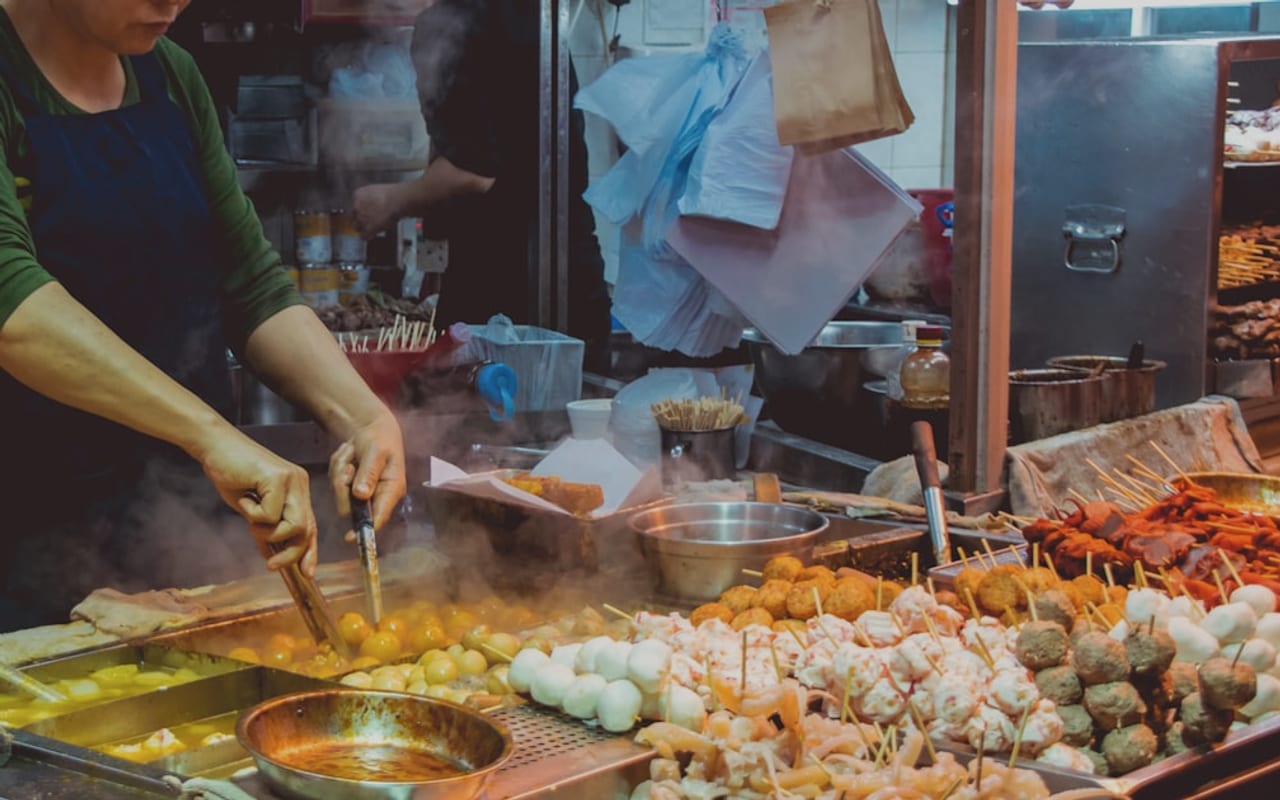
I’ve lived in JB long enough to have strong opinions about where I eat, and the honest truth is the best meals here aren’t in malls or fancy restaurants. They’re at plastic tables under a tin roof, the kind of place where the uncle has been making the same plate of char kway teow for twenty years and won’t be rushed. This is a guide to eating like a local — what to order, which areas to hit, and roughly what it costs as of 2026.
If you want the wider picture of the city first, start with our Johor Bahru explore guide and the broader things to do in Johor Bahru piece. This one is purely about food.
The hawker areas worth your time
JB doesn’t have one single famous hawker centre the way Singapore does. Instead the food spreads across neighbourhood pockets, and knowing which pocket has what is half the battle.
Mount Austin (Taman Mount Austin)
This is the big one for younger crowds and night eats. The open-air food truck and stall clusters here run from early evening until late, and the variety is genuinely huge — grilled fish, lok lok, fried oyster, BBQ, noodles, the lot. Stalls like Hei Huang BBQ Grill Fish (sambal stingray and lala are the picks) and Ah Ma Fried Oyster have a real following. A fried oyster plate runs around RM18–22; grilled fish for two lands somewhere around RM40–60 depending on size.
Hei Huang BBQ Grill Fish
Mount Austin food street cluster — open evenings until late.
Open in Google Maps (photos & live hours) →Ah Ma Fried Oyster
Mount Austin food street cluster — open evenings until late.
Open in Google Maps (photos & live hours) →Jalan Tan Hiok Nee (old town heritage walk)
The old town is where JB’s Chinese food roots show. It’s walkable, atmospheric, and close to the Singapore checkpoint, which makes it easy for day-trippers. Come here for kopitiam breakfasts, toast and kaya, traditional bakeries and old-school coffee. More on that in our JB dim sum and breakfast guide — the area shines in the morning.
Taman Sentosa
A serious food cluster, especially for tze char (Chinese stir-fry done to order) and bak kut teh. The famous Teck Sing paper-baked herbal chicken (a whole spring chicken steamed in dong guai and red dates, around RM37) is the kind of dish a whole table orders to share.
Teck Sing
Taman Sentosa — known for paper-baked herbal chicken.
Open in Google Maps (photos & live hours) →Pasar Karat and the night markets
The pasar malam (night market) culture here is strong. Wherever you live in JB, there’s a rotating night market nearby on a fixed day of the week. These are gold for cheap eats — apam balik, otak-otak, fried snacks, fresh fruit, drinks — most items in the RM2–8 range.
The dishes you actually came for
If you only eat a handful of things in JB, make it these.
Char kway teow — flat rice noodles fried hard over high flame with cockles, prawns, egg and chives. A good plate has wok hei, that smoky char you only get from a screaming-hot wok. Around RM7–10.
Laksa Johor — this is the local pride, and it’s different from the laksa you know elsewhere. The gravy is a fish-and-coconut blend, deeply savoury, and crucially it’s served with spaghetti rather than rice noodles, a quirk that genuinely confuses first-timers. Around RM8–12 a bowl.
Mee rebus — yellow noodles drowned in a thick, sweet-savoury sweet-potato-based gravy, topped with boiled egg, green chilli and fried shallots. A breakfast and lunch staple. RM6–9.
Lok lok — skewers of meat, seafood and veg you cook or dip yourself in shared sauces. Pay by the stick, usually RM1–3 each. A very JB night-market thing.
Otak-otak — spiced fish paste grilled in banana or coconut leaf. Johor’s version is famous. RM1–2 a piece, easy to over-order.
Satay — grilled skewers with peanut sauce, best at night. Around RM1 a stick, with a minimum order at most stalls.
How to eat well without overthinking it
A few honest tips from someone who eats out here constantly.
- Follow the queue, not the signboard. In JB the best stalls rarely have the flashiest signs. If locals are lining up at 7am, that’s your answer.
- Cash is king at the stall level. Many hawkers now take DuitNow QR, but plenty of the old-timers are cash only. Carry small notes.
- Go early or go late. Popular breakfast stalls sell out by mid-morning. Night spots in Mount Austin fill up after 8pm on weekends.
- Weekends are a different city. Saturday and Sunday bring Singaporean crowds, and the good places get packed. If you can eat on a weekday, do.
- Tea tarik and kopi are part of the meal. A pulled milk tea or local coffee runs RM2–3 and is the correct way to wash down anything fried.
What it costs, roughly
As of 2026, a full hawker meal for one — a main dish plus a drink — sits comfortably in the RM10–18 range. Two people can eat very well at a tze char place sharing three or four dishes for RM50–80. Even the night markets, where it’s easy to graze, rarely break RM20 a head unless you go wild.
That affordability is a big part of why people enjoy living here. If you want the full breakdown of what daily life costs, our cost of living in Johor Bahru guide goes deep on it — food is one of the line items where JB really shines.
A simple plan for a first food day
If you’re new to JB and want one easy route: start with a kopitiam breakfast and Hiap Joo banana cake in the old town around Jalan Tan Hiok Nee, have laksa Johor or mee rebus for lunch somewhere central, then head to Mount Austin in the evening for grilled fish, lok lok and a cold dessert to finish. That’s a proper JB food day, and you’ll have spent less than a single sit-down dinner would cost across the border.
The street food here doesn’t try to impress you. It just feeds you well, cheaply, every single day. That’s the whole point.
About the author
Chris Tan lives and works in Johor Bahru, Malaysia, helping people relocate to and buy property in the Iskandar region. Questions about your move? Get in touch.
Keep reading
 Travel & Explore
 Best Time to Visit Malaysia: Weather, Seasons & Crowds
When to visit Malaysia depends on where you go. A region-by-region guide to monsoons, haze, heat, school holidays and 2026 festival dates from someone who lives here.
2 Mar 2026
 Travel & Explore
 Crossing the JB–Singapore Border: A Complete Guide
How to cross the Johor Bahru–Singapore border in 2026 — Causeway vs Second Link, VEP and road charges, QR/autogate clearance, peak times, and car vs bus vs motorcycle.
8 Mar 2026
 Travel & Explore
 Bak Kut Teh in Johor Bahru: Where to Go
A local guide to bak kut teh in Johor Bahru — Shoon Huat, Hwa Mei, Kota Tinggi style, the difference between herbal and peppery broth, and rough 2026 prices.
6 Mar 2026
 Travel & Explore
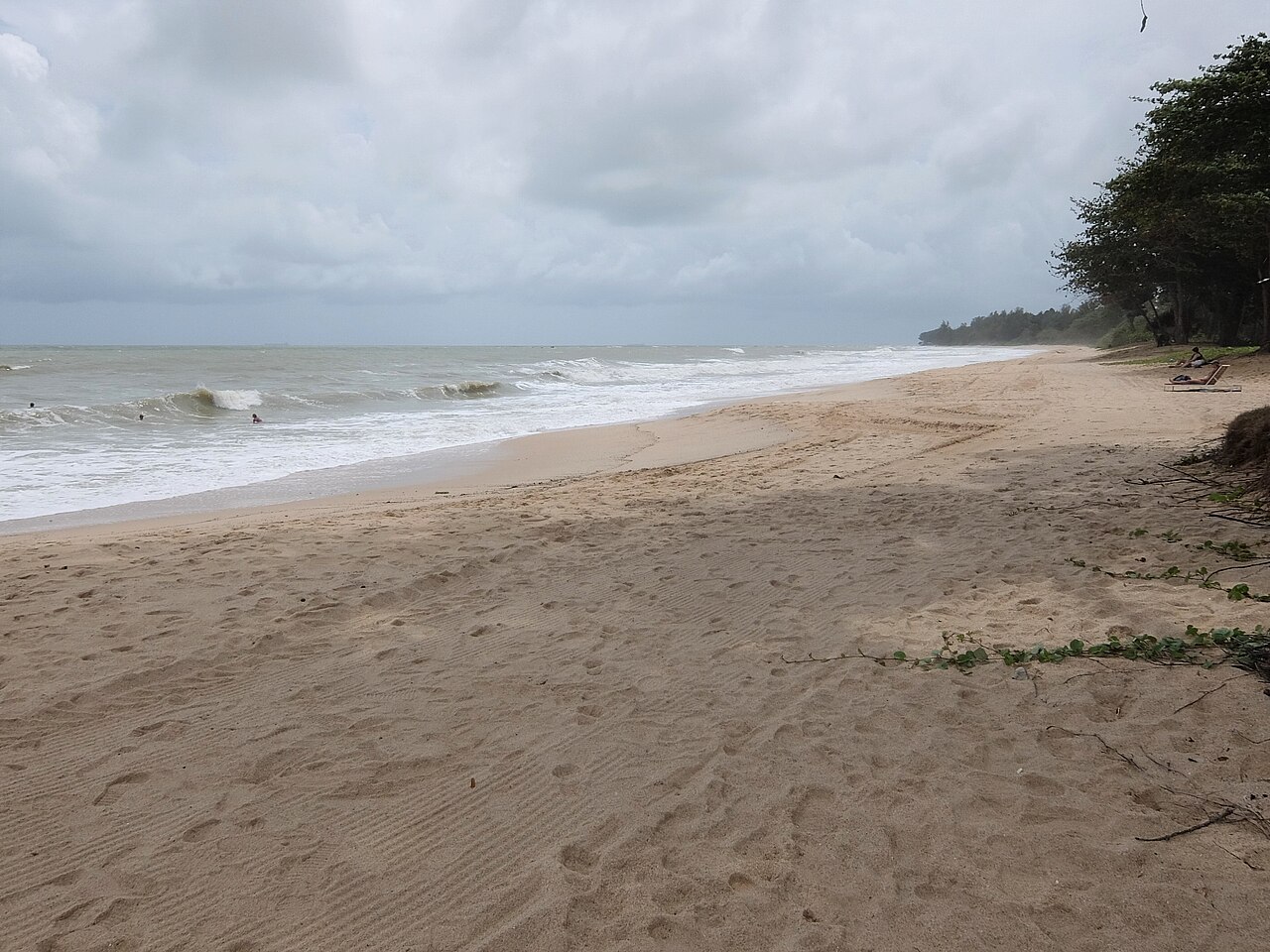
 Beaches Near Johor Bahru
A local's guide to beaches near Johor Bahru — Desaru Coast, Tanjung Balau, Tanjung Piai and more, with drive times, rough 2026 costs and honest expectations.
11 Mar 2026
 Moving to Malaysia
 Best Areas to Live in Johor Bahru: A Neighbourhood Guide
Where to live in Johor Bahru — JB city, Bukit Indah, Iskandar Puteri, Mount Austin and more, compared by lifestyle, commute to Singapore, and who each suits.
7 Feb 2026
 Property & MM2H
 Buying Property in Iskandar Malaysia: A Foreigner's Guide (2026)
Can foreigners buy property in Johor? Yes — here's how it actually works in Iskandar Malaysia: rules, process, financing, fees, and the mistakes to avoid.
10 Feb 2026